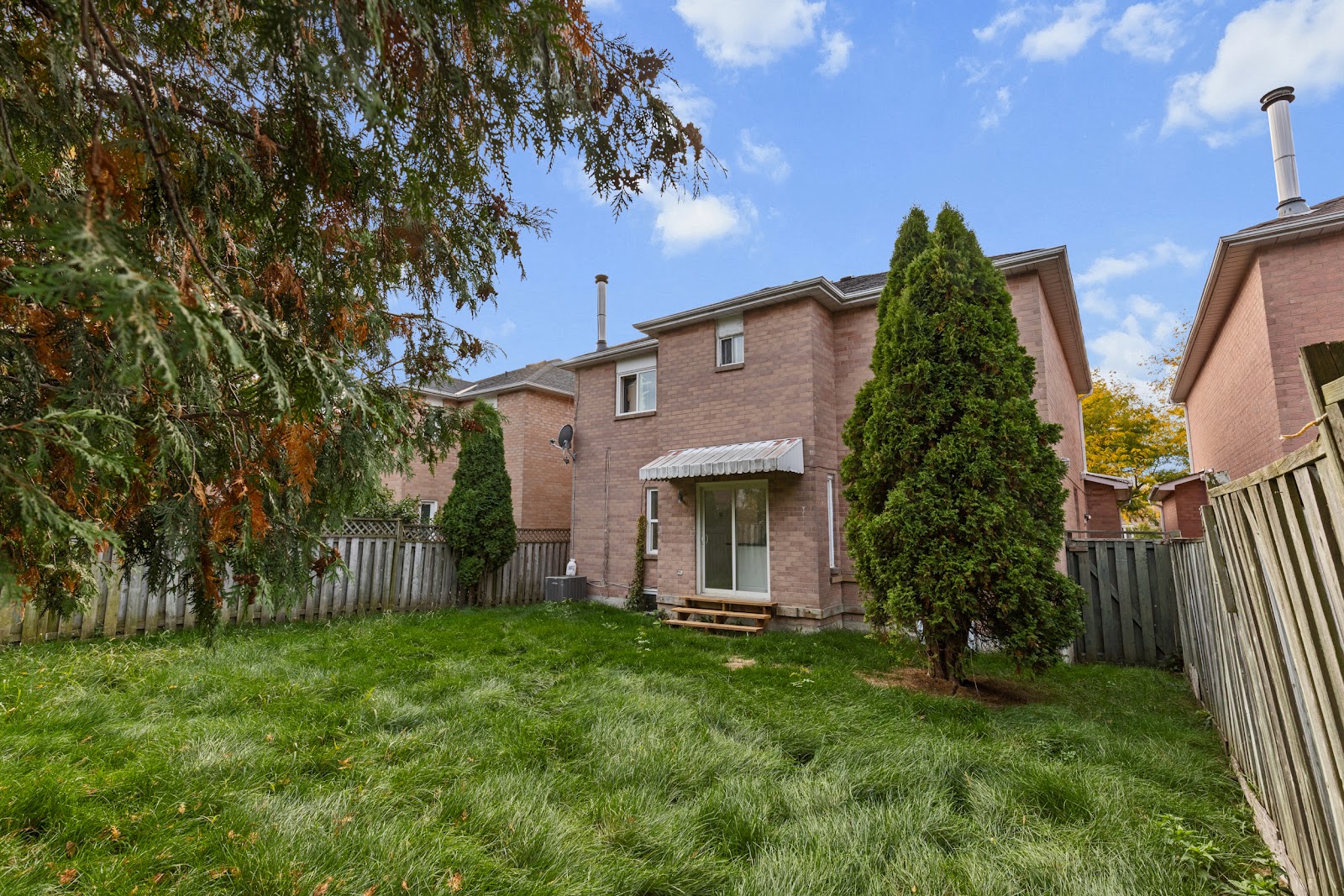
Selling a Brampton home in summer 2026 means pricing to current data, not last year’s headlines. TRREB pegged the average Brampton sale price at $889,407 in May 2026, with homes trading at 99% of asking in 27 days. Price to that reality and you sell. See the Brampton market.
Summer is usually Brampton’s busiest selling stretch, but 2026 is not a normal summer. Inventory is sitting higher than buyers can absorb, prices have softened year over year, and the homes that sell are the ones priced to the data on day one. The ones that chase the market down just sit. Here’s how to price a Brampton home this summer so it actually moves.
What the Brampton numbers say right now
Start with what buyers are actually paying. According to TRREB’s May 2026 Market Watch, the average Brampton sale price was $889,407 and the median was $835,000. There were 456 sales against 1,431 new listings, which pushed active inventory to 2,133 homes and months of inventory to 5.3. That last number matters more than the price. A market with over five months of supply gives buyers time and the upper hand, and they use both.
Two more figures tell you how to behave. The average Brampton home sold at 99% of its list price, and it took 27 days to do it once it was listed correctly. So sellers who price right are still getting close to full ask in under a month. The gap between that outcome and a stale listing comes down almost entirely to the first number on the listing.
The softness is not evenly spread. Brampton’s condo apartment benchmark fell to $405,400 in May, down 12.87% year over year, the hardest-hit segment in any market I work. Detached and townhouse pricing has held up better, but nothing is rising. Across the wider GTA, TRREB’s Home Price Index was down 6.7% from a year ago. If you are pulling your number from a neighbour’s 2024 sale, you are already overpriced. Check what comparable homes actually closed at on what your neighbour sold for before you settle on a figure.
How to price your Brampton home this summer
Selling a Brampton home in summer 2026 rewards one move above all others: price at or just under recent comparable sales, not above them. With 5.3 months of inventory, buyers have plenty to choose from, and an aspirational price tells them to skip your listing and book the one down the street. A home priced to the data gets the showings, gets the offers, and often gets bid back up toward full asking because it draws a crowd in the first week.
Anchor your price to closed sales from the last 60 days, not active listings. Active listings tell you what other sellers hope to get. Closed sales tell you what buyers agreed to pay. In a softening market those two numbers drift apart, and the sellers who price off other people’s asking prices are the ones still on the market in September. A proper home evaluation works backward from real closings and adjusts for condition, lot, and finishes.
Timing inside the summer matters too. The stretch from now through mid-July still has active buyers before the August slowdown. Mortgage math is part of the picture: with the five-year posted rate at 6.09% and the Bank of Canada overnight rate at 2.3%, buyers are running tight affordability calculations, and every $20,000 you add to the price prices out a slice of them. You can see how that plays out on the mortgage calculator. Price for the buyer who can actually qualify, and the right offer comes faster.
Thinking about selling your Brampton home this summer?
Get a free, no-pressure valuation built on the homes that actually closed near you, from a Brampton realtor who tracks this market every month.
The pricing mistakes costing Brampton sellers
A few errors come up again and again when selling a Brampton home in summer 2026. The most expensive one is starting high to “leave room to negotiate.” In a 5.3-month market that plan backfires. The early weeks are when a fresh listing gets the most traffic, and an inflated price wastes them. By the time you cut, the listing looks tired, buyers ask what is wrong with it, and you end up selling for less than if you had priced correctly from day one. Studies of stale listings across the GTA show price-reduced homes selling below comparable homes that launched at the right number.
The second mistake is pricing off the wrong market. Brampton is not Mississauga, and it is not Caledon. The table below shows how different the three Peel markets looked in May 2026. A Brampton seller benchmarking against Caledon’s $1.2M average is setting up a long, frustrating summer.
| Market (May 2026) | Average price | Months of inventory |
|---|---|---|
| Brampton | $889,407 | 5.3 |
| Mississauga | $971,047 | 5.0 |
| Caledon | $1,222,347 | 6.8 |
The third mistake is ignoring segment. If you are selling a Brampton condo, the benchmark fell nearly 13% year over year, so your pricing has to reflect that drop, not fight it. Detached sellers have more room, but even there the rule holds: price to recent closings and let the first week of demand do the work. The full selling process starts with that one decision.
Frequently asked questions
Is summer 2026 a good time to sell in Brampton?
It can be, if you price correctly. Brampton still saw 456 sales in May 2026 at 99% of asking, so buyers are active. The catch is 5.3 months of inventory, which means overpriced homes sit. Sell into this market with a realistic number and you can close in under a month. Chase it with an aspirational price and you risk a fall listing.
How long does it take to sell a Brampton home right now?
A correctly priced Brampton home took about 27 days to sell once listed in May 2026, per TRREB. That clock only starts when the price is right. Homes that launch too high can sit for months because the strongest buyer traffic comes in the first two weeks, and an inflated price wastes that window before the inevitable reduction.
Should I price above market to leave room for negotiation?
No. With over five months of inventory, buyers have options and skip listings that feel overpriced. Starting high wastes your best showing traffic and usually leads to a price cut that nets less than pricing right from day one. Anchor to closed sales from the last 60 days, not other sellers’ asking prices.
Bottom line
Selling a Brampton home in summer 2026 comes down to one decision made on day one: the price. The data is clear. Homes that match recent closings sell at 99% of asking in about 27 days, while homes priced to last year’s market sit through the summer and sell for less in the fall. With 5.3 months of inventory and an average price of $889,407, there is no room to guess. Anchor your number to what comparable homes actually closed at, price for the buyer who can qualify, and let the first week of demand work for you. If you want that number built from real closings near you, book a free home evaluation.

Sales Representative | Robbio Nicolle Real Estate Team at Real Broker Ontario
Brampton realtor covering Brampton, Toronto, Mississauga, Etobicoke, and the wider GTA. Data-first, no hype. Featured on YouTube at The Market with Mats Moy with 500K+ views.