Hook formula used: Symptom-first.
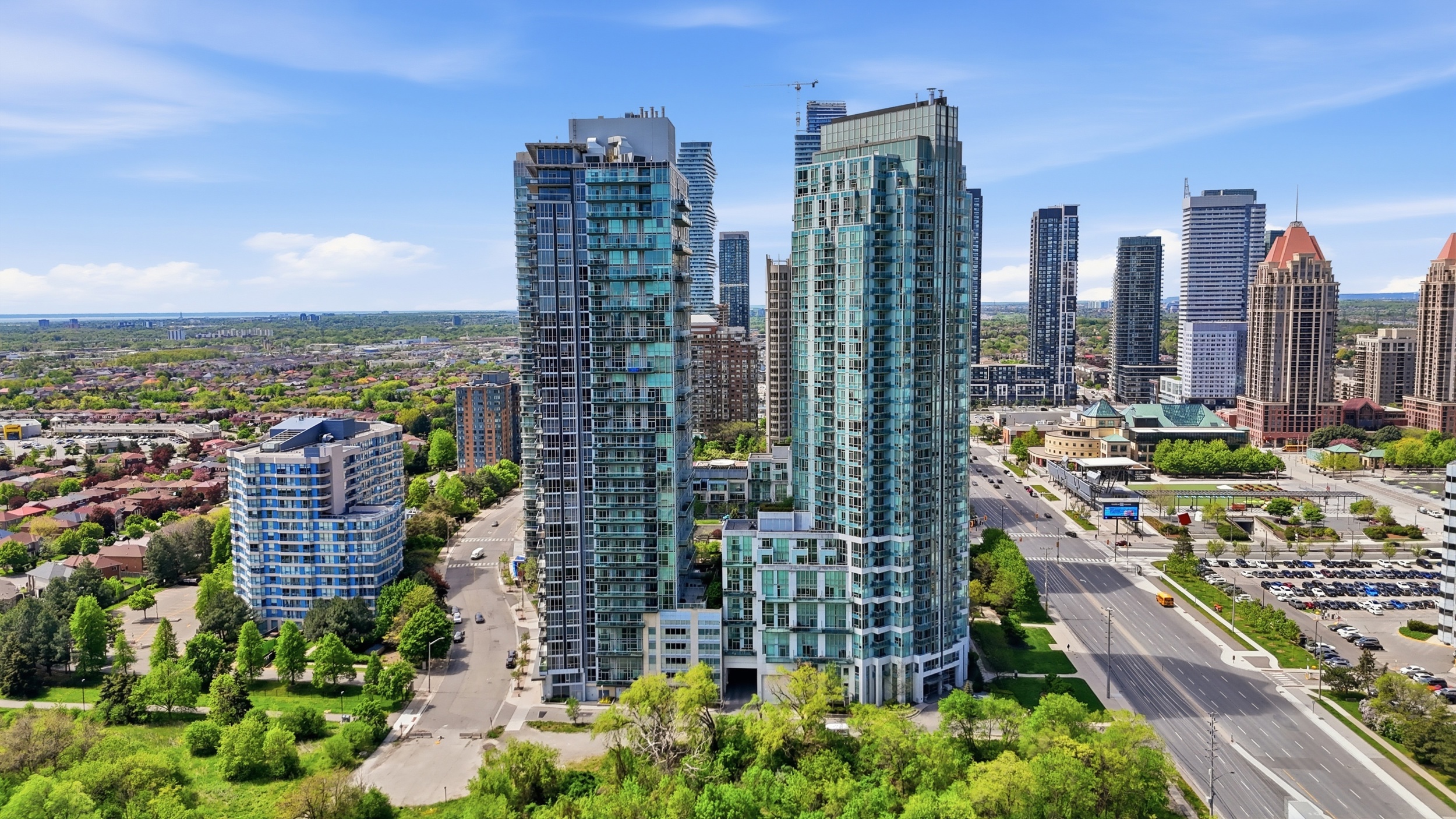
You open your condo fee statement and see another $900 draw from your account. The unit is empty, the kids are gone, and you’ve stopped caring if the building refreshed the gym. Yet that monthly cost keeps rising, and selling is not as easy as it used to be. In Mississauga right now, more owners are finding themselves stuck with condos that feel like a drain. Mississauga condo costs are a sore spot in 2026.
The Mississauga Condo Trap: What’s Possible Now
This year, Mississauga condo owners are facing a reality that rarely gets talked about on the glossy new signs by Square One. The opportunity? Some are finally re-listing properties they’ve kept for years, thinking the market would bounce back. But there is a growing pocket of units downtown, and in high-rise corridors like Hurontario, where sellers are realising one thing: holding that condo costs at least $1,000 per month, sometimes closer to $1,200, and that’s just to keep the lights on while you wait.
Maintenance fees on older buildings routinely cross $800 monthly. Add property tax, parking, insurance, and any special assessments, your bottom line jumps fast. In the past, you’d rent it out or sell within weeks. Now, downtown Mississauga condos averaged 43 days on market last quarter, compared to under 27 days in 2022. Rents have slipped since their 2023 high. Waiting it out can mean $12,000 or more burned in a single year. Mississauga real estate is changing.
But that’s not all buyers and owners are trying to navigate this summer. More details below on why the usual advice just isn’t matching up with the numbers anymore.
The Real Problem: Not Just Price, But Ongoing Costs
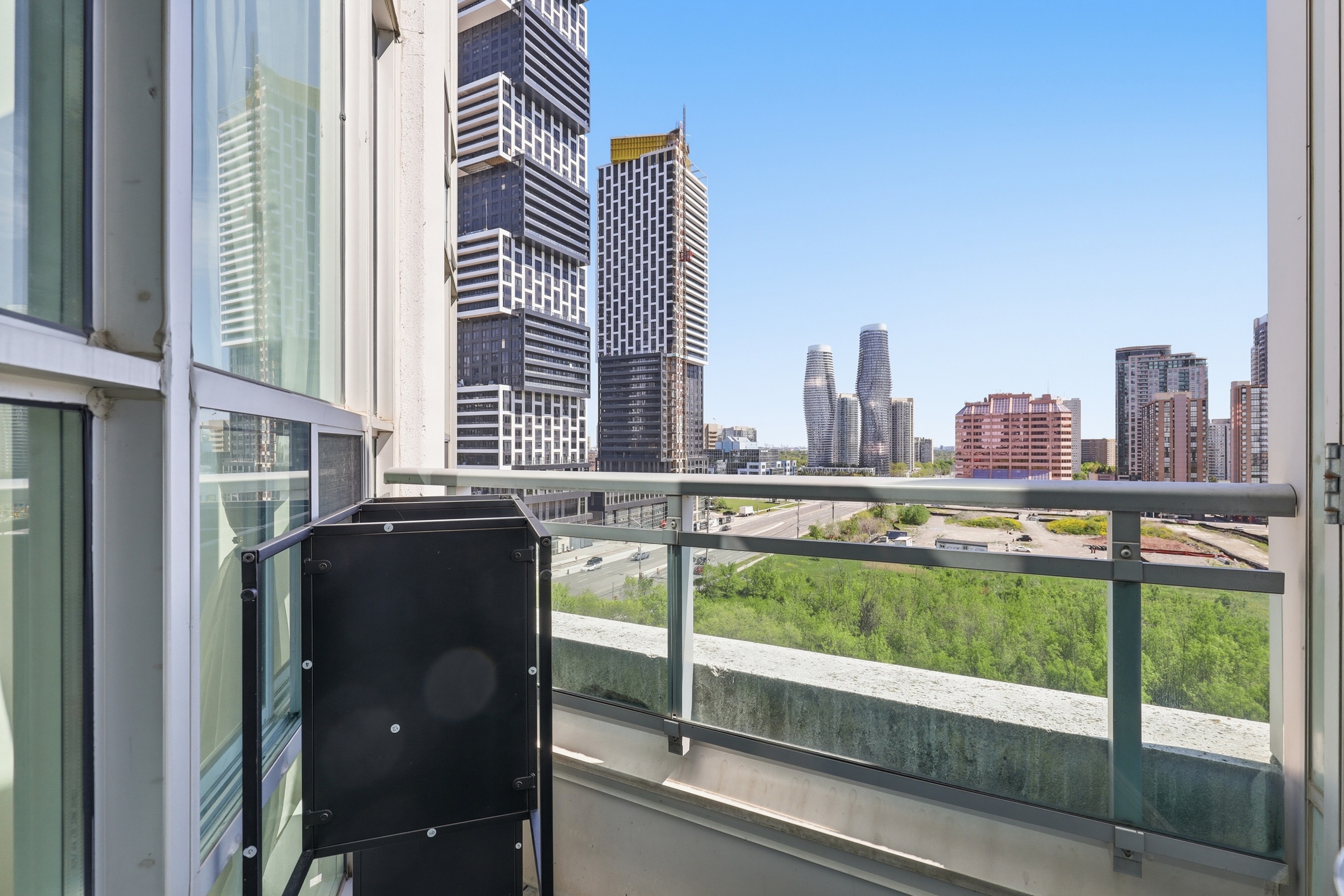
If you listen to most agents, they’ll pin the problem on price. Or they’ll tell you to “just hold and wait for the rebound.” But when you look closer, especially in 20-year-old towers near Cooksville or City Centre, you see a different story.
- Maintenance fees over $900? Check.
- Rental rates flat, or even down from 2023.
- Sale prices in spring 2026 averaging 10% below last year’s numbers on comparable units, many now closing under $600,000 for a two-bedroom with parking.
The issue isn’t only a slower resale market, though that’s part of it. It’s that while prices have gone down, the monthly bills have gone up. For some owners who don’t even want the unit anymore, maybe the kids moved back to Brampton, or they’re downsizing, each month lost can feel like flushing another thousand dollars. This is the cost of inaction that gets overlooked in the usual “wait and hope” playbook.
Thinking about selling your home?
Get a free, no-pressure valuation from a GTA realtor who tracks this market every day.
More buildings are facing costly elevator or HVAC upgrades. Special assessments can hit out of nowhere, driving fees another $50 or $100 higher per month overnight. And unlike with detached homes, you can’t pull the plug and just leave the place empty to cut your losses. The bills keep coming.
But there are owners quietly making different moves that can change the math. Their results show a different path.
Why Some Owners in Mississauga Are Minimising Losses
There’s a fence around a lot of the mainstream advice out there: “Just wait for rates to drop, and prices will jump back up.” But after two soft spring markets, the numbers just aren’t supporting that for many owners. The way out for some? Recognise the math early.
The owners who’ve come out ahead acted when they realised their unit was racking up over $1,000 a month just in fixed costs. Instead of waiting for some big bounce, they made quick decisions, sometimes renting at a lower rate than they wanted to, sometimes selling with a smaller loss than they feared. One couple near Square One listed at $589,000 (down from $630,000 in 2023), took a conditional offer, and closed in 37 days, shaving $2,500 in extra carrying costs compared to similar units that sat since Easter.
Some look at comparable markets. In Oakville last year, similar units saw a wave of listings when fees jumped past $1,000/month. Waiting for a “better” market cost owners almost $14,000 per unsold unit given the longer days on market. It’s not about panic-selling, but about cutting the script the old advice hands you.
The ones who count every month and act accordingly get out with less damage. That’s the benefit: it protects you from annual loss multiplying while neighbourhood fees, tax, or buyer interest drifts the wrong way. So you can avoid those surprise zero-equity years that catch so many in markets like Mississauga, Brampton, and even parts of North York.
If you’re wondering about specific condo buildings or fee structures, there is more below about how to break down the numbers yourself.
How to Break Down Your Mississauga Condo Costs
Think of this like figuring out the operating cost on a used car. It’s not just the sticker price, but the oil changes, gas, insurance, and surprise repairs. With Mississauga condos, here’s what to actually calculate if you’re holding or trying to sell:
- Maintenance fees: Factor in the exact monthly bill. For many, $650 to over $1,000.
- Property taxes: This usually sits between $200 and $350 monthly, depending on building and assessed value. New taxes in 2026 just bumped some rates 4%.
- Insurance and parking: Another $50-$150, not always included in fees.
- Special assessments or upcoming repairs: Check your condo board notices, see what’s planned within the year. Those can balloon costs overnight.
- Vacancy cost or lost rent: Is the unit sitting empty? Count that too. At $2,500 monthly rent, a two-month vacancy is a $5,000 loss on top.
For example, one Mississauga City Centre unit was costing $1,170 every month after the 2026 fee hike and above-average property tax bill, not even counting mortgage. After six months unsold and vacant, the owner was down over $7,000 beyond what she’d hoped to get back in price.
Some sellers believe waiting will save them from that loss, but as last quarter’s resale data showed, units sitting past the 45-day mark lost on both costs and ultimate sale price. Take a deeper look at why condo fees in Mississauga are making units hard to move.
If you track every dollar, you can see why speed can sometimes rescue more equity than price fights.
Mississauga Condo Costs Q&A
Q: Will fees keep rising in 2027?
A: Boards are already budgeting for 2-5% increases, especially in older buildings. Watch for any language about HVAC or exterior repairs in your latest AGM packet.
Q: Are newer condos safer from fee hikes?
A: For the first few years, yes, but by year five to eight, costs often catch up fast, especially as smaller buildings age.
Q: Do these costs matter if the market rebounds?
A: If units sit longer and rents fall, the cost of waiting out a rebound can still wipe out another few percent of your equity each year.
What to Watch Next in Mississauga Real Estate
This year shows that Mississauga condos are not immune from higher ongoing costs, even as values drift. Waiting too long to make a decision can cost owners over $10,000 a year in fixed bills. With units taking 30% longer to sell than last spring and fees breaching record levels in neighbourhoods like Cooksville, the old advice of “just wait it out” is starting to look expensive.
If you’re considering selling, re-renting, or just want to break down your own numbers, see what your Mississauga condo could sell for or send me a message. I cover the GTA and have reported on dozens of similar cases across Mississauga. Sometimes, staying informed is what saves you from letting another $1,000 slip out of your bank account next month.
Want this on your specific block
If you want to know what this means for your home or your search, send me a note. You can book a fifteen minute call, or run a free home valuation and I will send the recent comps for your street. I cover the Mississauga market every week, so I can tell you what the data is doing in your neighbourhood before you make a move.

Sales Representative | Robbio Nicolle Real Estate Team at Real Broker Ontario
Halton Hills realtor covering Georgetown, Milton, Mississauga, and the wider GTA. Data-first, no hype. Featured on YouTube at The Market with Mats Moy with 500K+ views.