Hook formula used: Symptom-first.
You scroll condo listings on your phone and freeze, $980 a month in fees for a midrange two-bedroom near Square One. How do you know if that number is a dealbreaker? Or what it will look like in five years? Here’s what’s really happening with mississauga condo fees right now, and why it matters if you plan to buy, sell, or even just hold your place a few years longer.
What’s Possible: Understanding the Real Condo Fee Story in Mississauga
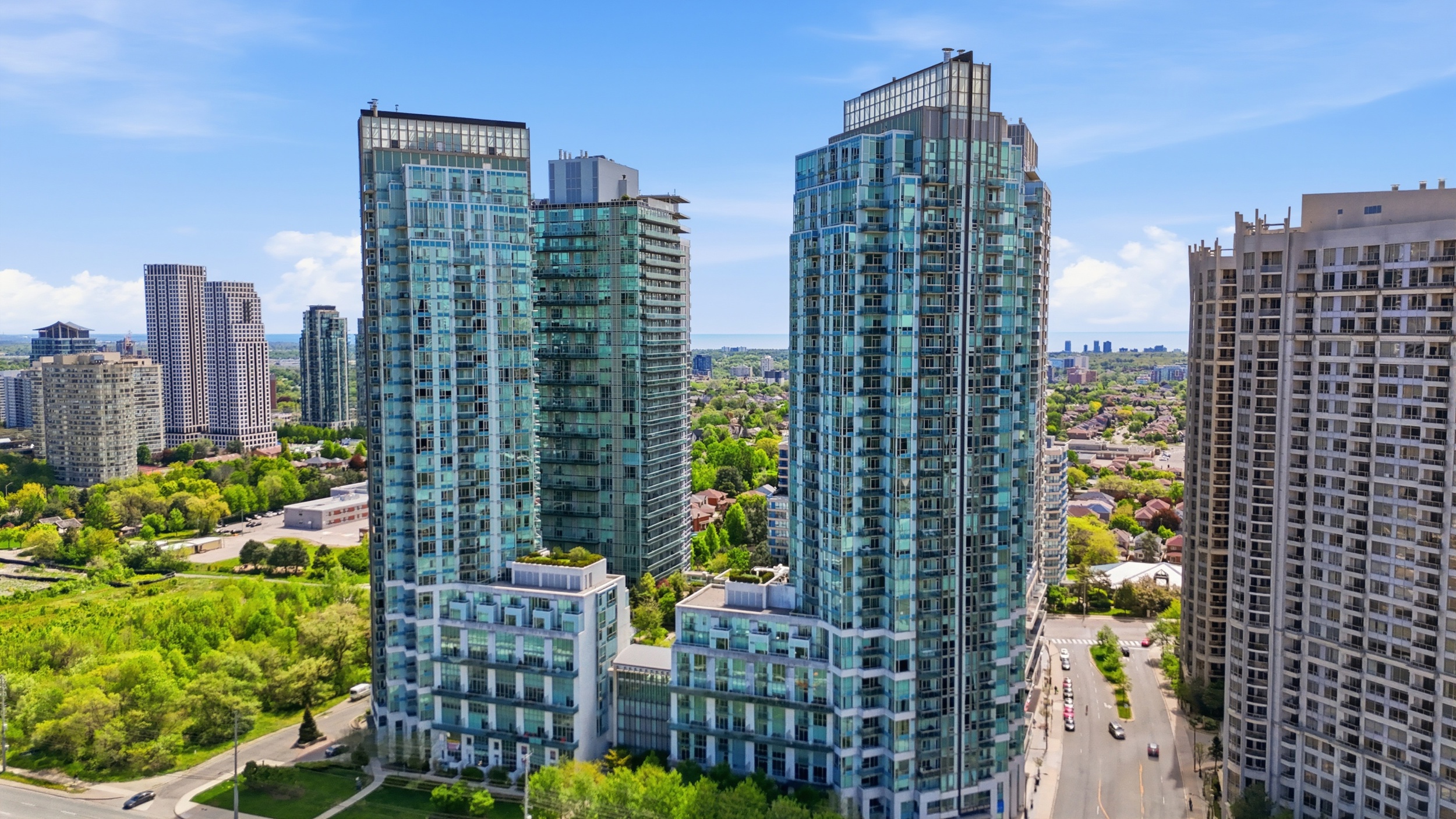
Looking at five real condominium buildings around Square One, you see a landscape that’s more complicated than just “higher is worse.” In some towers, fees stick close to $600 a month right now, but in others, you’ll spot line items for $1,000 or even more, especially if utilities are included. A one-bedroom at 388 Prince of Wales, for example, runs just under $600, while in an older building like 285 Enfield, two bedrooms often push $1,000 monthly after the last few regular increases.
What stands out in 2026 is that most newer Mississauga condos still start with lower fees, but annual hikes are almost automatic: 3 percent, 5 percent, sometimes 8 percent year over year. One owner at 335 Rathburn saw her fees jump from $643 to $693 in three years, a 7.7 percent annual increase. Across the board, shared amenities, building age, and repairs drive up costs. Yet location near Square One remains in demand, and some buildings keep fees low by cutting pool access, trimming landscaping, or running lean repairs.
There’s legitimate worry: each one percent fee hike costs you about $7 more per $700 monthly in the first year. Miss a single line in the status certificate, and you could get blindsided.
But not every so-called “high” fee means a building is in trouble. Some cover all utilities or have a large reserve fund for future repairs. Some low-fee buildings actually risk bigger leaps later after years of undercharging. The numbers reveal what’s possible, but there’s more to it. Next up, most people fall into a trap, and it has nothing to do with the sticker price on the listing page.
What People Get Wrong About Condo Fees in Mississauga
Ask around and most people say to “avoid the high-fee buildings.” That’s the standard advice. But here’s what the data shows in Mississauga: fees under $600 might sound good, but if a reserve fund is thin or major repairs are overdue, your real risk lurks just under the surface. A surge of repairs or a failed elevator could send fees sailing upward six months after closing.
A lot of buyers, especially first-timers or those upsizing from a rental, focus only on today’s number. But the fee listed on HouseSigma or MLS is a snapshot, not a long-term cost. And it can miss the bigger story. I’ve watched buyers see a $730 monthly fee on an older suite at 50 Kingsbridge Garden Circle, then pass it over for a $520 fee in a flashy tower next door. What they didn’t spot: that lower-fee unit needed $25,000 in roof repairs, and the special assessment arrived three months after move-in.
Thinking about selling your home?
Get a free, no-pressure valuation from a GTA realtor who tracks this market every day.
This short-term focus can cost you thousands. Hidden hikes pop up especially in buildings built before 2000 or those with full amenities. There are stories of buyers knocked by $80-100 monthly increases inside 18 months. If you plan to resell, a sudden fee hike shrinks buyer interest fast, especially as affordability gets squeezed in 2026.
But how do you know which buildings are truly high-risk? That’s where a real stress test approach changes the story. More on that in the next section.
The Stress Test Solution: Putting Mississauga Condo Fees Under the Microscope
The real trick is looking past the monthly fee line. Here’s how you see the full picture before you commit:
- Check the five-year fee history: Is the building raising fees every year? By how much? Example: 388 Prince of Wales has averaged a 4 percent annual hike since 2020, while 285 Enfield saw back-to-back 7 percent jumps in 2023 and 2024.
- Read the reserve fund study inside the status certificate. Are major expenditures coming up, parking garage, roof, windows? If so, expect fees to spike.
- Look for all-inclusive vs. pay-your-own-utilities setups. Buildings including heat, hydro, and water will always cost more up front. But they can shield you from wild utility cost swings, especially with last year’s 8 percent Ontario hydro increase.
- Ask if there have been recent, or pending, special assessments or major projects. If everyone in the building owes an extra $5,000 next spring, today’s low fee doesn’t mean much.
This angle flips the usual advice. Instead of chasing the lowest sticker price, you check how the building has managed finances year after year. You get a sense of stability, not just the monthly hit. Just like checking a car’s service records before buying, this shows you what’s likely to break or cost you down the road. There’s one extra layer here too: loss framing. Waiting for fees to ‘come back down’ or ignoring warning signs can bite hard, one delayed reserve fund top-up last year at a Hurontario tower cost owners $90/month extra after a big repair.
If you don’t dig, the “cheap” condo risks getting unaffordable during the time you own it. So next, what do these checks actually give you?
The Real Benefits of a Condo Fee Stress Test in Mississauga
You get two kinds of payoffs when you run a real stress test before choosing a Mississauga condo, especially near Square One:
- Predictable costs, so you can plan five years out, not just survive month to month.
- Fewer post-purchase shocks, so you can avoid sudden $75-100 fee hikes that slam your cashflow.
- Stronger resale, so you can attract buyers who notice a stable fee history even as older condos struggle to sell in 2026.
- A realistic sense of value, a $900 fee with utilities might actually save you fuss and surprise bills, so you can spend your energy on living, not fighting with management.
The main loss is clear: skip these steps and you can lose $5,000 to $12,000 in sudden assessments, or get trapped with a unit you cannot sell without dropping price. Just ask the owners at 145 Hillcrest who saw a wave of listings pile up after news of another increase.
There’s a reason so many “affordable” Mississauga condos end up being hard to sell, buyers get wind of jumpy fees. Hidden costs show up over and over. This is not speculation. Headlines about buyers walking away from deals after discovering fee surprises are picking up in 2026. Next: how you actually do this stress test in real life with simple steps.
How to Run Your Own Mississauga Condo Fee Stress Test
Putting all of this to work is surprisingly simple, but almost nobody does it. Here’s a step-by-step to make sure you, or someone you know, doesn’t get caught out:
- Start with the address. Search for recent listings and sales for that exact building. Look up the fee line on each, record monthly amounts for the past 5 years if possible.
- Order the status certificate. It costs $100, but it’s the only way to see the last three years’ reserve fund history and planned big-ticket repairs.
- Compare units in the same building. Is a 2-bedroom paying $200 more per month than a 1-bedroom on a different floor? Ask why.
- Ask for the last reserve fund study and board meeting notes when you offer. These reveal pending repairs and whether the board has kept on top of repairs or delayed them.
- Watch for benchmarks: in 2026, fees between $600 and $800/month are normal full-service rates for 2 beds near Square One, but you need to see EVIDENCE they don’t spike every year.
- Finally, check listings for any mention of assessments, lawsuit history, or deferred repairs.
Put a fence around this method: most agents and buyers just scan the latest MLS line, and that’s it. Fee history, reserve study reading, and comparing all-inclusives to pay-your-owns takes extra work, but it’s what separates stable ownership from endless surprises.
If you want specific building examples, older towers like 200 Burnhamthorpe still have some of the city’s highest fees, often running $1,100 a month for large units, mostly driven by deferred maintenance and all-in utility setups. Meanwhile, new builds on Webb Drive may look tempting with $400-500 fees, but often those are only for the first-year and jump right after the first big update.
Links like Mississauga Condo Costs: Why Owners Are Paying $1,000 a Month and Mississauga Condo Fee Problems: Why Owners Can’t Sell in 2026 show real case studies if you want to dive deeper into specific buildings and stories.
Still sitting on the fence? Small checks today can prevent big pains tomorrow, especially as buyers get choosier and fee hikes keep coming in 2026.
Your Next Steps: Dig Deeper or Ask for Help
This Mississauga snapshot gives you the concrete checks you need before making any move, or losing sleep over so-called “high” fees.
If you want a true fee history or the latest building data, reach out to a Mississauga real estate agent who actually tracks local trends. Or if you are weeks away from an offer and want help reading reserve fund studies, contact me straight from this blog. Pick your building with eyes wide open so you can sidestep the biggest condo fee risks in 2026.
Want this on your specific block
If you want to know what this means for your home or your search, send me a note. You can book a fifteen minute call, or run a free home valuation and I will send the recent comps for your street. I cover the Mississauga market every week, so I can tell you what the data is doing in your neighbourhood before you make a move.

Sales Representative | Robbio Nicolle Real Estate Team at Real Broker Ontario
Halton Hills realtor covering Georgetown, Milton, Mississauga, and the wider GTA. Data-first, no hype. Featured on YouTube at The Market with Mats Moy with 500K+ views.