A Brampton seller’s checklist works best when it starts 30 days before listing. With Brampton at 5.3 months of inventory and a 99% sale-to-list ratio in May 2026 per TRREB, the Brampton market rewards sellers who price on comps and finish repairs before the photos, not after.
Most Brampton sellers call me the week they want to list. The ones who net the most call a month out. That gap is where the money is. A 30-day runway gives you time to price against real comps, fix the things buyers notice, and launch with clean photos. Here is the Brampton seller’s checklist I walk sellers through, week by week.
Where Brampton’s market sits before you list
Before any checklist, you need the number. In May 2026, TRREB reported 456 home sales in Brampton at an average price of $889,407 and a median of $835,000. New listings came in at 1,431 against 2,133 active listings, which put months of inventory at 5.3. That is a market where buyers have plenty of choice.
The sale-to-list ratio held at 99%, so homes are still selling close to asking, but not over it. That single number tells you the whole pricing story. Overprice by five percent in this market and you do not get five percent more. You get a stale listing, a price cut, and a lower final number than if you had priced right on day one.
Time works the same way. The typical Brampton home that sold in May 2026 took 27 days on its active listing. Count the properties that had to be relisted and the average stretched to 43 days. Every extra week your home sits, buyers start to assume something is wrong with it.
One segment is under real pressure. The Brampton condo apartment benchmark fell to $405,400 in May 2026, down 12.87% year over year per TRREB, the hardest-hit segment in any market I work. If you are selling a condo, your checklist has to be tighter, because the buyer pool is thinner and more price-sensitive. None of this means Brampton is a hard place to sell. It means the sellers who win treat pricing as math, not hope. Pulling what your neighbour sold for is where that math starts.
Days 30 to 15: price, comps, and repairs
The first two weeks of the runway are about decisions, not activity. Get these right and the rest of the checklist runs itself.
Start with pricing. Get a proper valuation based on what has actually sold in your pocket of Brampton in the last 60 to 90 days, not what a neighbour listed at and never sold. A real home evaluation looks at comparable size, age, lot, and condition, then adjusts for the current 5.3 months of inventory. If you want the honest number instead of the flattering one, that is the conversation to have in week one.
Next, walk your own home the way a buyer will. The kitchen and main bath drive more offers in Brampton than any other rooms, so that is where your repair budget goes first. Clear the small defects that read as neglect: dripping taps, sticking doors, cracked switch plates, burnt-out bulbs. Buyers price in fear. Every small flaw they see, they assume three more they cannot.
This is also the window for the bigger calls. If the roof, furnace, or windows are near the end of their life, decide now whether you are repairing, disclosing, or pricing for it. Springing that on a buyer at the inspection is how firm deals fall apart. Paperwork starts here too. Dig out your survey, past permits, and warranty documents. If you added a basement apartment, confirm it is registered with the City of Brampton before you advertise it as legal, because an unregistered second unit can sink a sale. The selling process runs smoother when the file is built before the sign goes up.
Thinking about listing your Brampton home?
Start with the real number. Get a free, no-pressure valuation from a Brampton realtor who tracks this market every month, so your 30 days point at the right list price.
Days 14 to launch: staging, photos, and paperwork
The back half of the runway is execution. The price is set and the repairs are done, so the last two weeks are about presentation and getting to market.
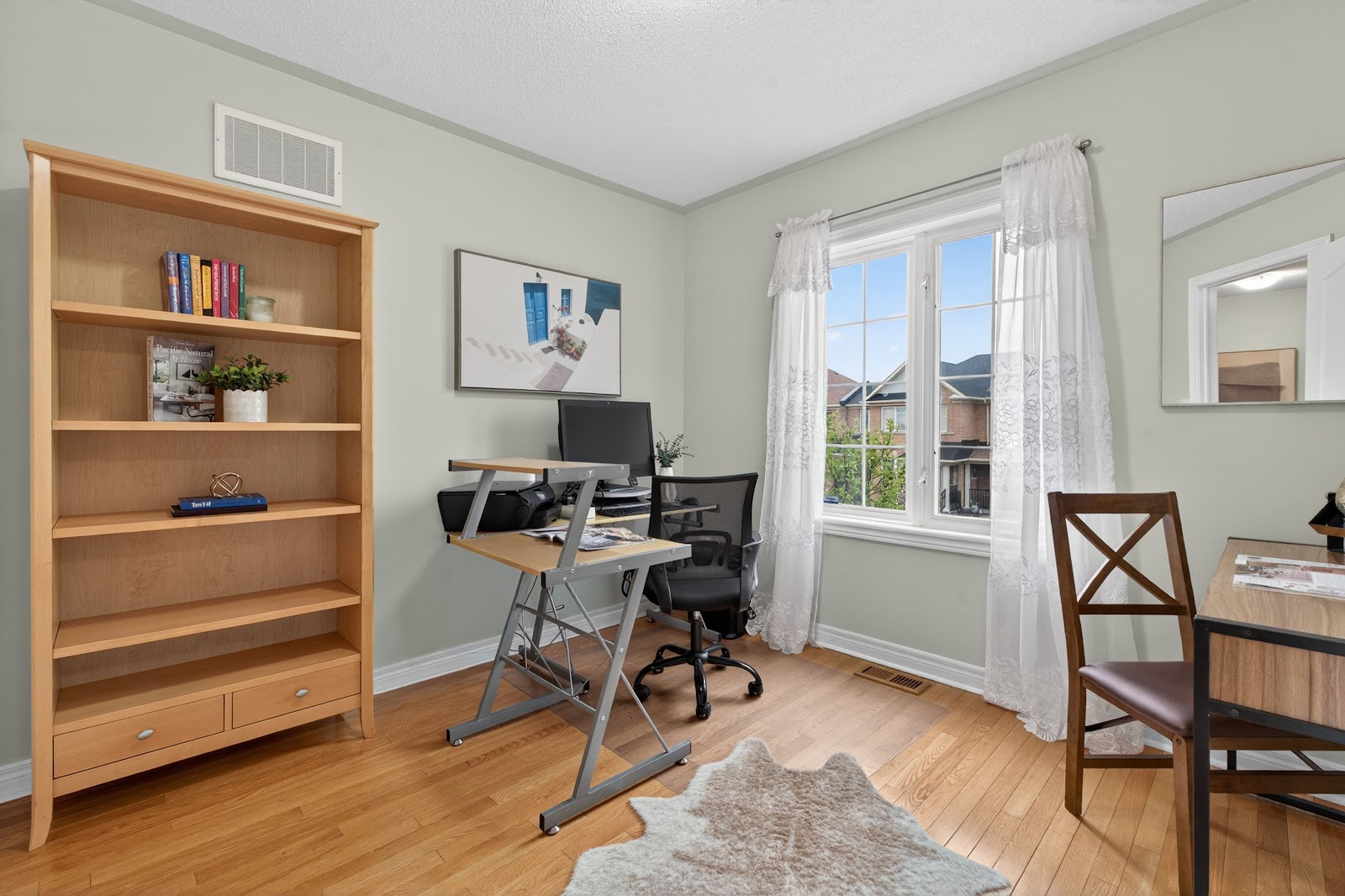
Declutter and clean before anyone stages. A deep clean and a half-empty closet do more for a Brampton listing than any rented furniture. Buyers need to picture their own life in the space, and they cannot do that around your family photos and a full garage. Aim to remove about a third of what is in the house.
Then stage the rooms that sell: the living room, the primary bedroom, the kitchen, and the main bath. You do not need a full staging package on every home. In the $800,000 range where most Brampton homes trade, clean, bright, and neutral beats heavily decorated almost every time.
Photos come after staging, never before. This is the single biggest lever on your listing, because most buyers decide whether to book a showing from the photos alone. Book a professional photographer, shoot on a bright day, and do not let anyone list with phone pictures. With 2,133 active listings in Brampton, your photos are competing against every other home a buyer is scrolling that weekend. Before you go live, look at your actual competition. Pull up the homes currently for sale in your price band and neighbourhood and be honest about where yours ranks. Make sure your agent only books showings with buyers who can close, so a quick check that a buyer has run their mortgage numbers and holds a real pre-approval keeps tire-kickers out of your home.
Frequently asked questions
How long does it take to sell a home in Brampton in 2026?
In May 2026, the typical Brampton home that sold spent about 27 days on its active listing, per TRREB. Counting properties that were relisted, the average stretched to 43 days. Homes priced right on the first try tend to land near the shorter end, while overpriced listings drift toward the longer one and usually settle for less.
What is the most important step on a Brampton seller’s checklist?
Pricing. With Brampton at a 99% sale-to-list ratio in May 2026 per TRREB, the market does not reward overpricing, it punishes it with a stale listing and a lower final sale. Getting an honest valuation against recent comps in the first week sets up every other decision, from your repair budget to your launch timing.
Should I make repairs before listing my Brampton home?
Yes, the ones buyers notice. Focus your budget on the kitchen and main bath, then clear the small defects that read as neglect, like dripping taps and burnt-out bulbs. Buyers assume hidden problems behind visible ones. Bigger items like a roof or furnace near the end of their life should be repaired, disclosed, or priced in before you list, not left for the inspection.
Bottom line
The Brampton seller’s checklist is really one idea stretched over 30 days: get the price right, then remove every reason a buyer might hesitate. With the market at 5.3 months of inventory and a 99% sale-to-list ratio in May 2026, the sellers who plan a month out are the ones who sell near asking instead of chasing the market down with price cuts. Price on real comps in week one. Fix what buyers see by week two. Stage, shoot, and launch in the final stretch. If you want the honest number your home would sell for today, a free home evaluation is the first box to tick.

Sales Representative | Robbio Nicolle Real Estate Team at Real Broker Ontario
Brampton realtor covering Brampton, Toronto, Mississauga, Etobicoke, and the wider GTA. Data-first, no hype. Featured on YouTube at The Market with Mats Moy with 500K+ views.