Hook Formula: Symptom-first.
You walk into your GTA condo after the tenants finally leave. Baseboards ripped, paint peeled, kitchen floors a mess. And the real estate agent tells you the sale price these days barely covers what you paid years ago. This is the reality some GTA condo sellers face right now, especially when the math just does not break even anymore.
The Real Opportunity in the GTA Condo Market
Right now, the focus for many sellers is simple. Break even, or at least get as close as possible. It’s becoming more common to hear from owners who have watched their properties’ value stall out. Or worse, slide backward, even as interest rates hold steady at levels we haven’t seen in nearly a decade.
The condo market across the GTA is showing clear cracks. Some sellers are listing with a hope to not take a loss. According to Toronto Regional Real Estate Board data, average GTA condo prices have soft-landed from their 2021 peak, dropping in some pockets by more than 10 percent year-over-year. You see this especially in downtown Toronto, but Mississauga and Vaughan are no longer immune. Properties that could have fetched $700,000 in 2022 might see offers in the $630,000 range today. For anyone with a mortgage reset in 2023 or 2024, that drop cuts deep into the numbers.
For investors, the idea was that a tenant-held property would pay down itself over a few years. Now rents are still high, but monthly cash flow is negative for many, and the exit price may not clear the mortgage plus selling costs. But condition matters most. Which brings us to the real risk: what happens when tenants leave a unit in worse shape than anyone expected?
If you think your condo is immune because it’s new, or you ‘screen’ tenants carefully, the next section will show what can catch any owner off guard.
What Goes Wrong: The Cost of Deep Damage and Dragged-Out Tenancy
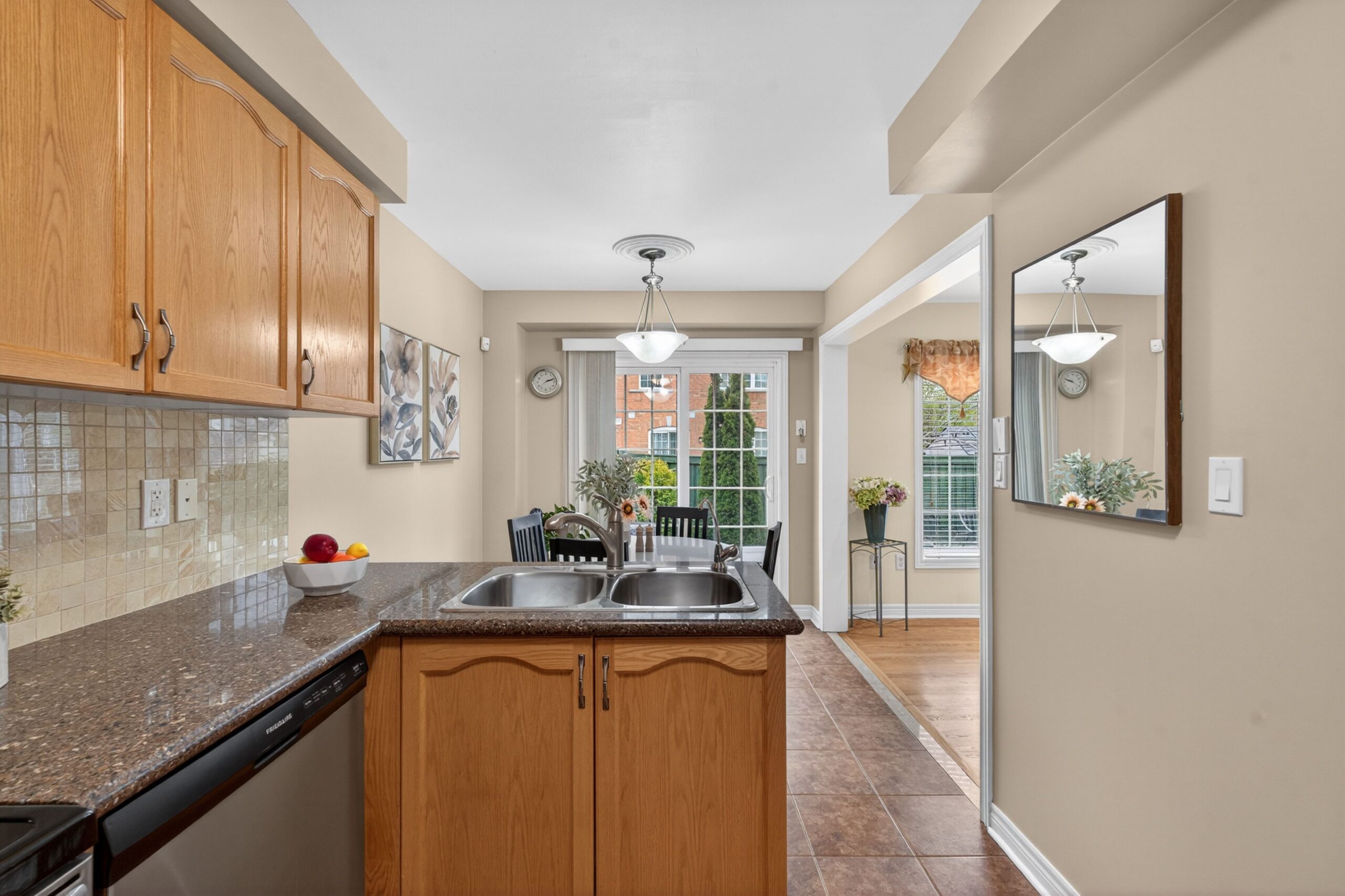
The ‘problem’ most investors and even lived-in owners miss is this: your chances of breaking even depend on both the market, and what your condo looks like after a tenant moves out. I’ve seen it firsthand. Some tenants take care of every fixture. Others, though, leave clear damage in their wake. I’m talking torn-out carpet, dents in walls, kitchen cabinet doors off hinges, bathroom fixtures worn or chipped. One unit I walked into in Etobicoke had water-damaged flooring that cost more than $7,000 to replace, and that was before paint and cleaning. Even basic touch-ups can hit $2,000 and up. In highrise buildings in central Mississauga or Toronto, you often need to pay for professional cleaners, minor repairs, and even new appliances if a tenant leaves things rough.
Here’s what stings: when your scheduled rent inspection gets pushed out because the tenant is slow to leave, you lose both time and money. In one situation this spring, a seller planned to list in March, but the final walk-through did not happen until May. For each week lost, carrying costs stack up. That is hundreds, sometimes thousands, in mortgage, condo fees, and taxes per month essentially burned while the unit sits vacant but not ready. For most sellers right now, every extra month of holding means the difference between breaking even or losing $5,000, $10,000, sometimes a lot more.
Thinking about selling your home?
Get a free, no-pressure valuation from a GTA realtor who tracks this market every day.
Most owners I talk to never account for this lost time upfront. Standard advice circles around ‘wait for the market to come up’ or ‘hold your price.’ But in practice, the holding costs and market softness combine like gravity to pull that net number down faster than owners realise.
Next, see why the common strategy of waiting for prices to bounce back can leave sellers even further behind, especially when tenant issues are in play.
Why ‘Holding Out’ Isn’t Working Anymore in the GTA Condo Market
The old logic said ‘hold your condo until the market rebounds.’ For much of the past two decades, that would have meant easy gains. But that cycle is different now. Here’s what we’re actually seeing in 2024 and beyond:
- Stale listings grow every month. In high-density GTA neighbourhoods, days on market for condos is up by as much as 30 percent year-over-year. In April, many downtown Toronto condos took over 40 days to sell. Certain older Mississauga condos have been sitting for 60 days or longer.
- Buyers want move-in ready. Sight-unseen bully offers have disappeared. Today’s condo buyers tour several units, compare condition, and always discount for every scratch or stain.
- Every month unsold is a bigger loss. With typical GTA condo fees hitting $700 to $900 a month, and climbing, plus mortgage payments now averaging $2,500 or more monthly, an unsold and vacant unit can rack up $4,000 plus in direct monthly costs.
So if you’re thinking that another month or two on the market is harmless, check the math. This is where the waiting game becomes a money pit, not a safety net. One seller I spoke with thought he might hold out for $650,000, but after two more months and several thousand in holding costs, his final sale netted under $640,000, less than what he could have cleared by pricing it realistically upfront, even with repairs factored in.
The key is this: value comes down to what the next buyer sees when they open the door; not what you wish your unit was worth based on 2022 prices. You can clean, paint, and touch up yourself, but that takes weeks if you’re not ready. Or you might need to sell as-is and discount hard. Which angle works better? That’s what the next section breaks down.
How to Break Even in Today’s GTA Condo Market: The Real Angle
Forget the advice about endless waiting. Instead, zoom in on the two levers you can actually control: presenting your unit right, and making sure your math is real, not just hopeful.
- Immediate assessment. As soon as your tenant is out, have a real look at the space. Make a list, scratches, holes, broken fixtures, appliances. Get quick quotes from handymen or agents who know the local rental turnover market. Costs might surprise you: one recent seller in North York budgeted $1,500 for basic paint and cleaning, but ending up paying $4,400 because hidden issues popped up during inspection.
- Know your break-even. Tally your mortgage balance, closing costs (expect around 5 percent for commissions and fees), plus any repair bill. This will likely show the minimum price you truly need, not the one you want.
- List clean and show-ready if possible. Even a mid-2000s condo in Brampton that was scrubbed, patched, and staged fetched $12,000 more than a nearly identical unit three floors down that sold two weeks earlier in rough, tenant-worn shape.
- If cash or time is tight, consider a sharp as-is price. Floors torn up or kitchen appliances broken? Trying to patch it together piece by piece could simply waste time and drive up monthly loss. Sometimes, an as-is discount is actually the smallest overall loss, especially if the holding cost would eat up any future gains.
This assessment is not just a guess. Every local sale for the past three months counts as a live benchmark. See how similar units sold in your building, not just the list price. If you want to dig into actual recent sales for certain buildings or streets, you can pull the records or connect with a GTA real estate agent who keeps weekly stats. GTA real estate agent pages now post updated sale results for most towers in Toronto and Mississauga. You can also find stories and analysis on Toronto Condo Market 2026: Which Condos to Avoid Buying.
From here, see what you truly stand to gain, or lose, if you try to wait out the market versus tackling repairs or pricing for a quick sale. The decision moves from hope or fear to hard numbers, so you can see exactly where you land.
The Benefits: Control Your Outcome and Move On Faster
Getting honest about condition and numbers gives a few real-world benefits in this GTA condo market:
- Fewer surprises at closing, so you can plan your next move with a real number, not a guess that shrinks after inspection.
- Less time wasted, so you can stop burning $3,000, $4,000 per month in holding costs and get your cash back to redeploy elsewhere.
- Cleaner sales process, so you can avoid the common trap of relisting over and over for months and missing the buyers who are still active.
- Less emotional cost, when the focus is on recovery not regret, it’s easier to step back, reset, and decide what to do next in a difficult market.
For many, cutting losses is about ending the drip of hidden costs, not just the final sale price. If holding another three months costs you $12,000, and the market drops further, the difference between now and ‘waiting for recovery’ is clear and costly. This is classic loss framing, you stop the ongoing loss quickly, so you can…
In the next section, see the concrete steps that help sellers in tough tenant and slow market scenarios.
The Step-by-Step System: GTA Condo Break-Even Survival Guide
- Inspect after tenants leave. Within 48 hours, walk the unit. Take detailed notes and photos. Check every wall, floor, appliance, and all common damage hot spots.
- Get fast quotes. Line up two or three handymen and cleaning services. Many will do walk-ins and send a quote within 24 hours for simple paint or patch-up jobs.
- Calculate real numbers. Add your mortgage balance, closing costs (use 5 percent as a base), and all quotes. Factor in one month of expected holding costs (mortgage, taxes, fees).
- Research true sold prices. Pull at least six comparable sales from your building and nearby towers from the past 90 days. Use only sold prices, not current listings.
- Price forward, not backward. List at a number the math supports for a 30-day sale. Compare to similar condition sales, not the best-updated ones if yours needs work.
This system is built for today’s market, not five years ago. The old advice, holding out for a bounce, ignores the rising tide of vacant units and repair costs. In today’s GTA, action is cheaper than inaction. Don’t get trapped by nostalgia for last year’s prices.
For more on why some condos just are not moving, see Oakville Condo Prices: Why Sellers Are Missing the Mark in 2026.
If you want a breakdown for your own condo or want fresh sold data in any GTA tower, you can always get in touch for a market snapshot in your area. You can also schedule a direct chat with a GTA real estate agent at book a call.

Sales Representative | Robbio Nicolle Real Estate Team at Real Broker Ontario
Halton Hills realtor covering Georgetown, Milton, Mississauga, and the wider GTA. Data-first, no hype. Featured on YouTube at The Market with Mats Moy with 500K+ views.