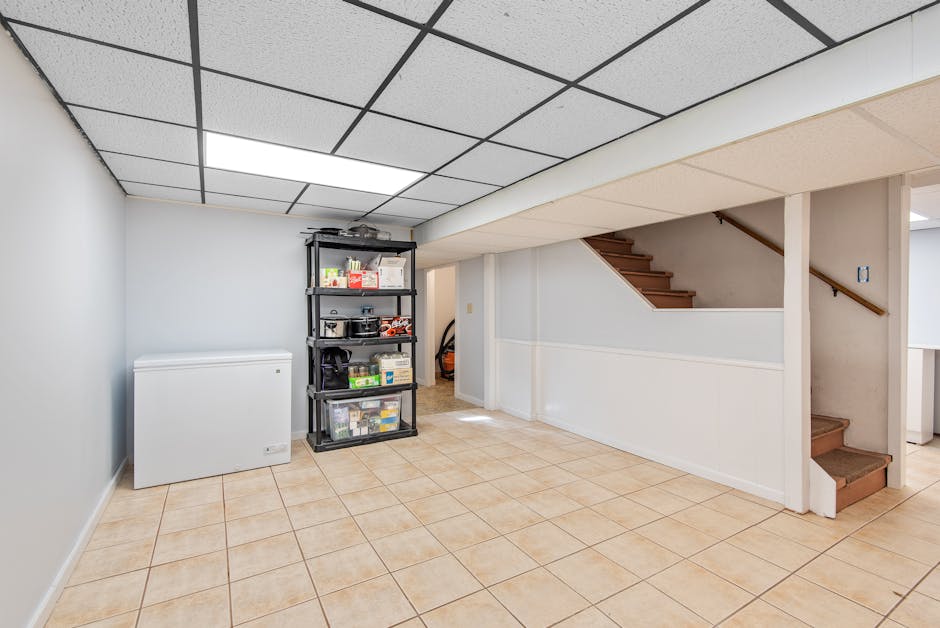
Brampton basement landlords running unregistered suites risk fines, forced tenant removal without compensation, and voided home insurance. In early 2024, Brampton’s Mayor stated roughly 100,000 people live in illegal rental units across the city. Learn what Brampton landlords typically face when bylaw enforcement catches up.
Most Brampton basement landlords think they are flying under the radar. They collect rent, the tenant is happy, and nothing bad has happened yet. That is exactly how it goes, right up until it doesn’t. Bylaw enforcement gets a complaint from a neighbour, a fire, a dispute with a tenant, or just a random inspection sweep, and the whole arrangement unravels fast. The city’s own Mayor put a number on it in early 2024: roughly 100,000 people living in unregistered rental suites in Brampton alone.
How big is the illegal suite problem in Brampton
Brampton is one of the fastest-growing cities in Canada, and a huge chunk of its housing stock includes basement apartments. Walk through almost any older neighbourhood in Brampton and you will find detached homes with a separate side entrance, a curtained window at ground level, and a hydro meter that tells a story. Many of these units are not registered with the city, do not have a building permit, and have never been inspected.
The number 100,000 is not a guess from an advocacy group. The Mayor of Brampton said it publicly in early 2024. That figure represents people living in suites the city has no record of. No inspection, no permit, no second-unit registration. Just a landlord collecting rent and hoping nothing goes wrong.
Why does this happen so often? A few reasons. The permit and registration process costs money and takes time. Some landlords worry a registered suite will trigger higher property taxes. Others assume the rules are loosely enforced. And some genuinely did not know the rules applied to them.
But here is what that 100,000 figure really means. The city of Brampton’s bylaw and building departments are aware the problem exists at scale. That creates political pressure to act. Enforcement sweeps, complaint-driven inspections, and changes to how bylaw officers process tips have all been discussed or implemented. The bigger the known problem, the more likely the city is to fund solutions, which means more inspectors and more orders to comply.
If you are a landlord in Brampton with a basement unit that has never been permitted or registered, you are not in a stable position. You are in a position that has worked so far. There is a difference.
What bylaw enforcement actually does to landlords
A complaint gets filed. It might come from a neighbour, a disgruntled tenant, or someone who noticed activity during a routine inspection of a nearby property. A bylaw officer shows up. What happens next depends on what they find, but the pattern is consistent.
If the suite is unregistered and unpermitted, the city can issue an order to comply. That order typically requires the landlord to either bring the unit up to code and register it, or stop using it as a rental. Neither option is cheap or quick. Bringing a basement apartment up to Ontario’s building code, fire code, and the city’s second-unit standards can cost anywhere from $15,000 to $50,000 or more depending on the current state of the space. Separate entrance, smoke and carbon monoxide detectors on every level, proper egress windows, electrical upgrades, and more. All of it has to be inspected and approved.
If the landlord cannot or does not comply, they may be ordered to vacate the tenant. And this is where it gets complicated. Under the Residential Tenancies Act, a tenant in an illegal unit still has rights. If you want them out because the city is forcing the issue, you often still have to go through the Landlord and Tenant Board. That process can take months. In the meantime, the unit may be ordered closed, meaning you have a tenant you cannot legally house and cannot easily remove, and you are still technically their landlord.
Fines for operating an illegal dwelling unit in Brampton can reach into the thousands of dollars per day in the worst cases. Even a standard order to comply, if ignored, escalates quickly. Some landlords have ended up with liens on their property when the city stepped in to fix safety issues and billed the owner.
The landlords who come out worst are the ones who ignored the first order. The ones who respond early, get a paralegal or lawyer involved, and move to register the unit properly tend to navigate the process with less damage. But even the best-case path through compliance is time-consuming and expensive. That rental income that looked like easy money starts to look very different once you price in the compliance costs.
Thinking about selling a Brampton home with a basement suite?
An unregistered unit affects your sale price and your liability. Find out what your home is actually worth with a free, no-pressure valuation.
The insurance and legal trap most landlords miss
Here is the part that most landlords do not think about until something has already gone wrong. Your home insurance policy almost certainly has a clause about material changes to your property. Running an unregistered rental suite is a material change. If you did not disclose it to your insurer, you may not be covered.
That means a fire in the basement could result in a denied claim. A tenant injury could leave you personally liable. A flood from the suite could mean you are paying out of pocket for repairs to the entire home. The rental income you were collecting at $1,500 or $2,000 a month disappears fast when a single insurance claim denial leaves you with a $200,000 repair bill.
There is also the matter of what happens when you sell. Buyers and their agents routinely ask whether basement units are registered and permitted. If you list the suite as an income property and it turns out to be illegal, you could face a misrepresentation claim after closing. Some sellers have had deals fall apart at the lawyer’s table when the permit history came back empty. Others have sold, only to be sued months later by buyers who discovered the suite could not legally be rented.
The legal exposure does not end when the sale closes. A buyer who purchases a property with a representation that the basement suite is a legal second unit has grounds for a claim if it is not. That is a real risk that has played out in Ontario courts. You can read more about Ontario court cases involving home sale risk and how sellers have been caught out by exactly this kind of disclosure problem.
The path to fixing this is not simple, but it is knowable. Brampton’s planning and building department has a second-unit registration process. It requires a permit application, an inspection, and confirmation that the unit meets the Ontario Building Code and local zoning rules. Units in areas where second suites are permitted by zoning can be legalised. Units in areas where they are not permitted face a harder road, including possible rezoning applications or a requirement to cease use entirely.
If you are thinking about buying a Brampton home and the listing mentions a basement apartment as an income helper, check the permit status before you make any decisions. Look at the current Brampton real estate picture for 2026 to understand what kind of market you are entering. A basement suite that cannot legally be rented is not income. It is a liability dressed up as income.
And if you already own a home with an unregistered suite, the window to address it proactively is always shorter than it feels. Every month that passes is another month of exposure. The landlords who get hit hardest are not the ones who tried to comply and fell short. They are the ones who assumed nothing would happen and were wrong.
| Risk Factor | Unregistered Suite | Registered Suite |
|---|---|---|
| Home insurance coverage | Likely voided | Covered with disclosure |
| Bylaw fine exposure | Yes, up to thousands/day | No |
| Compliance cost to legalise | $15,000 to $50,000+ | Already done |
| Sale misrepresentation risk | High | Low |
| Tenant removal pathway | Slow and contested | Standard LTB process |
Frequently asked questions
How many illegal basement suites are in Brampton?
In early 2024, Brampton’s Mayor stated publicly that approximately 100,000 people are living in unregistered rental suites across the city. That figure reflects units the city has no permit or registration record for. The actual number of individual suites is likely in the tens of thousands.
What happens if bylaw enforcement finds my unregistered basement apartment?
You will typically receive an order to comply. That means either legalising the suite through the city’s second-unit registration process, which requires permits and inspections, or stopping its use as a rental. Fines can accumulate if orders are ignored, and the city can place a lien on your property if it is forced to intervene directly.
Can I sell my Brampton home if the basement suite is not registered?
You can list the property, but you cannot represent an unregistered suite as a legal income unit. Doing so opens you to misrepresentation claims after closing. Buyers increasingly check permit records before closing. An unpermitted suite that was marketed as income-generating has led to post-sale legal disputes in Ontario.
Does home insurance cover damage in an unregistered rental suite?
Most standard home insurance policies require you to disclose material changes to your property, including rental use. If you did not disclose the suite and a claim arises from it, the insurer can deny the claim. A fire, flood, or tenant injury in an undisclosed rental space can leave you with no coverage and full personal liability.
How much does it cost to legalise a basement apartment in Brampton?
Costs vary significantly depending on the current condition of the space. Bringing a suite up to Ontario Building Code and fire code standards, including proper egress windows, smoke and carbon monoxide detectors, electrical upgrades, and a separate entrance, commonly runs between $15,000 and $50,000 or more. Permit and registration fees are on top of that.
Bottom line
Roughly 100,000 people living in unregistered rental suites in one city is not a small problem, and Brampton’s own leadership has said so out loud. The bylaw enforcement pattern is predictable: a complaint gets filed, an officer shows up, and the landlord who thought nothing would happen suddenly has a compliance order, a legal tenant they cannot easily remove, and an insurer who may not pay out when things go sideways. The rental income looks different once those costs are in the picture.
If you own a Brampton home with a basement suite and you are unsure about your legal exposure, a free home valuation is a good starting point to understand how the suite affects your property’s value and marketability. If you want to talk through the specifics of your situation, get in touch directly, or if you prefer a scheduled conversation, book a call and we can go through it together.

Sales Representative | Robbio Nicolle Real Estate Team at Real Broker Ontario
Brampton realtor covering Brampton, Mississauga, Halton Hills, and the wider GTA. Data-first, no hype. Featured on YouTube at The Market with Mats Moy with 500K+ views.