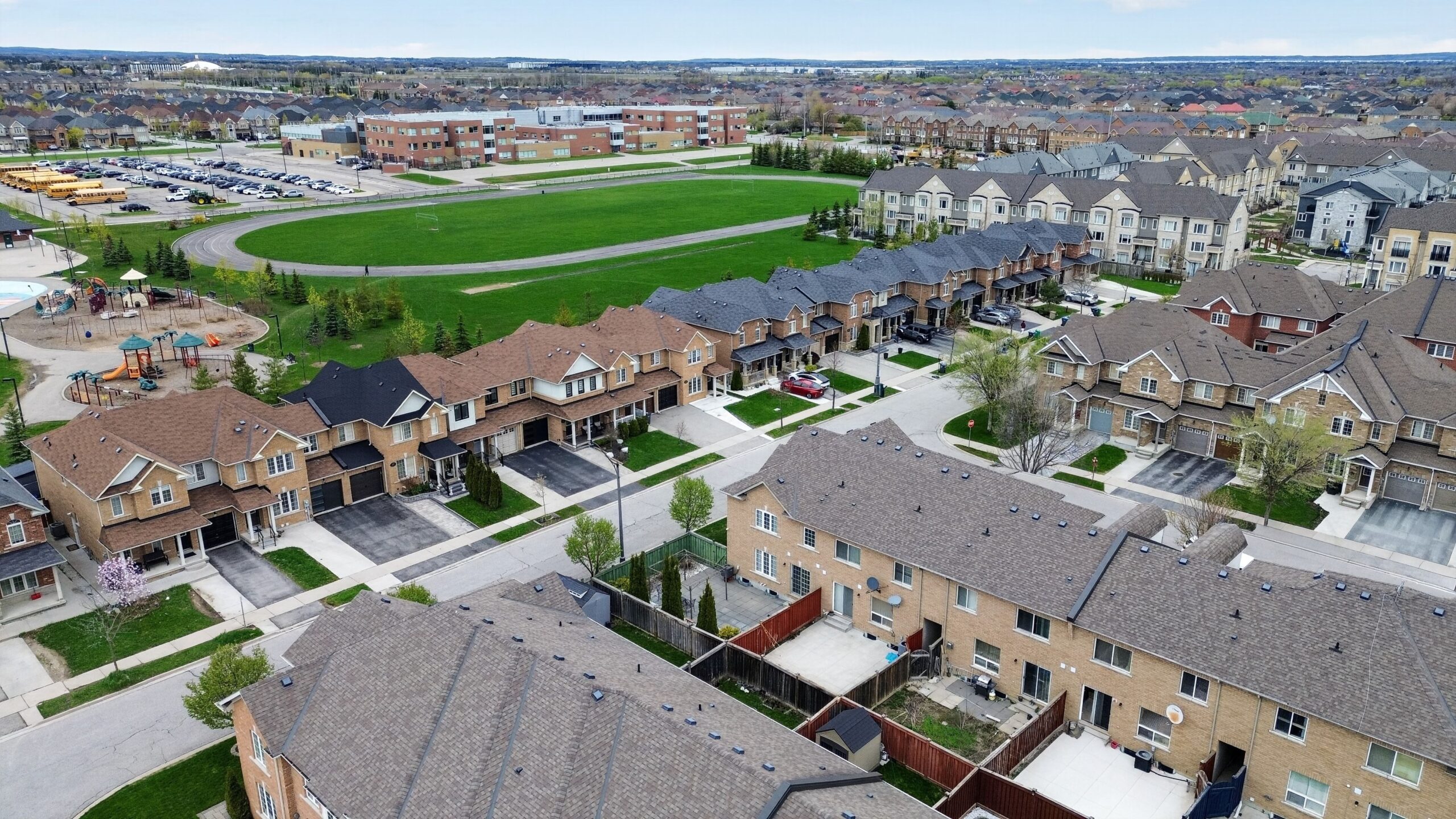
Ontario’s new Bill 60 has brought sweeping changes to eviction rules that affect both landlords and tenants across the province, but the impact is especially real in Brampton. If you own, rent, or invest in Brampton real estate, you need to know what’s actually changed and how it could affect your next move. In this post, I’ll break down the new bill, explain what it means for you, and give practical steps to protect your rights under the new rules.
What Is Bill 60? Why Brampton Should Pay Attention
For years, Ontario’s Landlord and Tenant Board (LTB) has struggled with delays. Landlord eviction cases in Brampton and other GTA areas could take months just for a hearing. For tenants, complaints about repairs, unsafe units, or harassment were just as slow. Bill 60, known as the Fighting Delays Building Fasters Act, was passed to address these backlogs. It amends how evictions work and shortens many timelines, with the province claiming it will help rental housing operate more efficiently.
Brampton is one of the GTA’s top rental markets, known for its many basement apartments and investor-owned properties. That means these new eviction rules are likely to be felt right away, by renters and small landlords alike. Let’s walk through the key changes and how they may play out locally.
Four Key Bill 60 Changes to Ontario Eviction Rules
1. Eviction Notice for Unpaid Rent Drops to 7 Days
Landlords used to give tenants 14 days to pay late rent before starting formal eviction with the LTB. Now, with Bill 60, that notice period is cut in half to just 7 days. For property owners in Brampton, this means you can act faster if rent isn’t paid, limiting your risk of large unpaid balances. If you’re a tenant, there’s much less time to catch up, especially if your paycheque is late or you hit an unexpected expense.
Cities like Toronto have warned that this shorter deadline makes it harder for people to access emergency supports. In a city like Brampton, where lots of renters already live close to the edge, this 7-day window puts more pressure on tenants to act immediately or risk eviction.
Thinking about selling your home?
Get a free, no-pressure valuation from a GTA realtor who tracks this market every day.
2. “Pay-to-Play” Barrier at LTB Hearings
Previously, if a landlord tried to evict you for non-payment of rent, you could use the hearing to raise repair or harassment complaints, even if you hadn’t brought them up earlier. Bill 60 changes that. Tenants now need to give advance written notice or pay 50% of the claimed rent arrears into trust before these issues are heard. For instance, if you’re told you owe $6,000, you need to pay $3,000 up front just to have your concerns considered.
This is meant to stop last-minute delays, which many small landlords say kept problem tenants in place for too long. But for many renters without savings, it sets a high financial barrier for having their side heard. If you rent in Brampton, you need to document problems early and consider filing your own application rather than waiting for an eviction hearing, especially with so many small investment properties in the area.
3. Deadlines for Appeals Cut in Half
Tenants and landlords now have just 15 days, down from 30, to challenge a decision or request a review of an LTB order. This makes the process move faster for landlords who finally get an order to reclaim their property. But tenants have less time to find legal help or organize an appeal. Brampton legal clinics are already stretched, so don’t wait if you get an order.
4. Own-Use Eviction Compensation Removed (If 120 Days’ Notice Given)
When a landlord gives notice to occupy a unit themselves or for a close family member (the “N12” process in Ontario), they used to owe tenants one month’s rent as compensation. Bill 60 removes this if the landlord provides at least 120 days’ notice. In Brampton, where lots of owners have basement units for family use or rental, this could mean more tenants being asked to move with less financial help, especially if they have trouble finding another local rental at a similar price.
Bill 60: What It Means for Landlords and Tenants in Brampton
Whether you’re renting out a townhouse, condo, or basement apartment, or you’re a tenant in Brampton, Bill 60 brings the following takeaways:
- Landlords: Be thorough with screening and documentation. The process is faster but less forgiving if you make a paperwork mistake. Know the forms, stay on top of repairs, and consider how these rules change your risk profile.
- Tenants: Treat due dates and official notices as urgent. If you miss rent, act on it within days, not weeks. Document unit problems immediately. Seek help from a legal clinic or rent bank right away if you’re at risk.
Both sides should understand that faster timelines don’t automatically fix deeper issues, like the supply of affordable rentals or difficult tenant-landlord relationships. Bill 60 just means consequences, like eviction or losing out on compensation, happen faster now.
Common Questions: Bill 60 Eviction Changes in Brampton
How quickly can a landlord now start the eviction process for unpaid rent?
After just 7 days of missed rent, a landlord can file for eviction, down from 14 days under old rules.
What if I’m a tenant and have a serious issue with my rental?
Document everything in writing as soon as a problem starts. If you wait and try to bring it up at a non-payment hearing, you’ll face a 50% “pay to play” barrier or have to give prior written notice.
How does this affect Brampton rental investors?
Some may feel more secure with shorter timelines and clearer enforcement. Others may struggle if local tenants are hit hard by higher move-out rates and rising rents. For a detailed look at current owner sentiment, see Why Families Are Leaving Brampton.
Staying Proactive Under Ontario’s New Eviction Laws
Bill 60’s changes shift the balance toward speed and enforcement. In the Brampton real estate market, that means owners and tenants both need to be more organized, more document-focused, and quicker to ask for help. Ignoring a notice or waiting to “see what happens” is now a recipe for missed opportunities or serious problems. If you own multiple units or are thinking about expanding your investments locally, it’s even more important to keep up to date with these changes.
For further advice on navigating the new environment, or if you’re considering buying or selling an investment property in Brampton, take a look at the Brampton Condo Prices 2025 guide.
If you want help understanding how Bill 60 affects your specific rental situation, or if you’re debating whether to buy, sell, or hold in Brampton, you can book a call to talk through your options in detail. I work with landlords, tenants, buyers, and sellers all across Brampton and the GTA. For more guidance, view the Brampton real estate guide or connect with a GTA real estate agent today.
Want this on your specific block
If you want to know what this means for your home or your search, send me a note. You can book a fifteen minute call, or run a free home valuation and I will send the recent comps for your street. I cover the Brampton market every week, so I can tell you what the data is doing in your neighbourhood before you make a move.

Sales Representative | Robbio Nicolle Real Estate Team at Real Broker Ontario
Halton Hills realtor covering Georgetown, Milton, Mississauga, and the wider GTA. Data-first, no hype. Featured on YouTube at The Market with Mats Moy with 500K+ views.