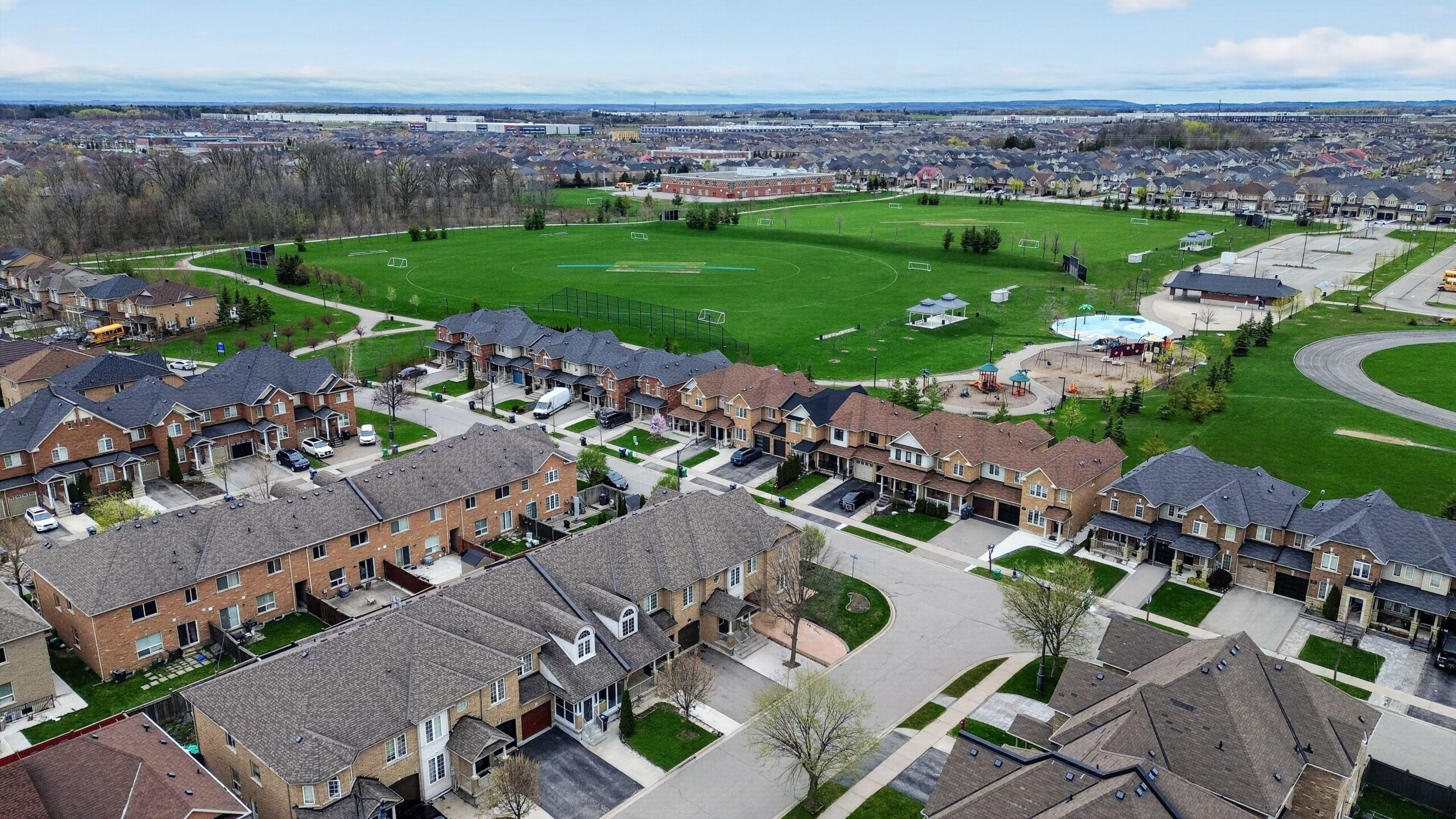
Power of sale listings are spiking across the GTA, and it’s not subtle. You’re seeing more of these properties hitting the market everywhere from Toronto to Brampton. This uptick in power of sale listings GTA-wide is pointing to something bigger in 2026, the impact of high carrying costs, rising renewals, and tough choices forced by the current housing market.
What Power of Sale Means, and How It Shows Up in the GTA
A power of sale listing is a type of forced sale. When a homeowner can’t keep up with their mortgage payments, the lender steps in and takes control of the sale process. It’s different from a foreclosure, but the end result is the same: the seller has lost control, and the bank is pushing to recover what’s owed as quickly as possible.
In 2026, GTA power of sale listings are everywhere. But they’re not all in rough shape. In fact, some have been totally renovated or even fully gutted, ready for someone to finish the job. The reason? It’s less about bad properties these days, and more about the weight of monthly payments that owners can’t manage. Many of these homes look like any other active listing, no boarded-up windows or obvious distress. In neighbourhoods across Brampton, Mississauga, and North York, you can browse MLS and spot power of sale properties with fresh paint, staged furniture, and new appliances. The main difference: the paperwork and the seller’s urgency.

Why Power of Sale Listings Are Climbing in 2026
Two forces are driving this surge. The first is straightforward: higher interest rates have pushed carrying costs beyond what many owners can afford. Especially if you bought or renewed in the last few years, your monthly mortgage may have doubled or even tripled compared to before. The second: many owners tried to hold on, listing their homes but not accepting lower offers, hoping the market would recover. Instead, prices held flat or slipped, and carrying that debt burned through their savings much faster than anticipated.
You’re now seeing power of sale listings pop up in areas that stayed stable in the past. A detached home in Mississauga, for example, may have been listed privately for six months, going nowhere. The payments kept piling up. Now, the bank is in the driver’s seat. The pattern is repeating in Pickering, Oakville, and Vaughan, once hot markets are posting more and more of these distressed sales.
Thinking about selling your home?
Get a free, no-pressure valuation from a GTA realtor who tracks this market every day.
Power of Sale Listings GTA, Now Versus Past Waves
Historically, power of sale listings showed up mostly in rougher condition, think missing fixtures, neglect, or even vandalism. Today is different. Some modern power of sale homes are completely renovated, still under warranty, but the previous owners simply couldn’t keep up with payments. You’ll find turnkey homes in Toronto’s suburbs and even move-in-ready condos in downtown listings under this label. These aren’t typical “deal” properties in need of total repair. The real trigger is stretching family budgets to the breaking point.
Compared to a decade ago, the stigma around power of sale in the GTA is fading. You aren’t seeing as many homes in desperate shape, but the spike in volume is unmistakeable. Every brokerage, big and small, has a handful of these in their inventory right now. Even if the photos look normal, or the finishes are new, watch for special conditions like the bank’s Schedule B or language about the seller making no warranties.
How Many Listings? The Scale in Numbers
There’s no central tally, but nearly every neighbourhood now has power of sale properties in the mix. On the Toronto Regional Real Estate Board system, you might see 10 to 20 active power of sale listings on any given day in one suburban district, compared to just one or two in past years. In Brampton and Mississauga, entire blocks have seen 2-3 homes per street going through the process, especially where many buyers entered the market at the 2021 or 2022 peak.
This is tied closely to rising mortgage renewals across the GTA. Prices haven’t crashed, but the cost to carry, even at 2026’s slightly softened values, is too much for many. Some owners tried to rent their homes out to cover the gap, but market rents also started to soften, leaving owners in a bind: stuck with large mortgages, flat prices, and no easy way to cover monthly costs.
For more on how shifting prices and listings affect the region, you can check out this breakdown on GTA Suburbs Home Price Drops. If you want to see which areas are still seeing strong buying, there’s also coverage on GTA suburbs outperforming in 2026.
What Power of Sale Listings in the GTA Look Like in 2026
- Not always visible from the photos or staging, often move-in ready
- May be listed at, near, or even above regular market pricing
- Display language about “seller makes no representations or warranties,” often with a Schedule B attached
- Time pressure is real: banks prefer a clean, quick close, sometimes at lower prices after a few weeks on market
- Expect the paperwork to take longer and more rigid negotiation, since banks are involved
Some distressed properties still do appear. You’ll occasionally spot a boarded window or missing appliances. But for every rough power of sale, there are just as many that are indistinguishable from normal resale homes, except the seller’s situation is far less flexible.
Q&A: The Power of Sale Spike in the GTA
Are power of sale listings cheaper than regular homes?
Not always. Banks try to recover as much as possible and often list close to market value. Sometimes, if a property sits unsold, the price will drop faster than a typical owner might risk. But in the GTA, don’t expect true “fire sale” deals on day one.
Is this mainly affecting condos or detached homes?
Both, though the pattern varies. Condos, especially in Mississauga and North York, have seen more listings. Detached homes in Brampton and Pickering, bought at recent highs, are seeing a similar trend. The thread tying it all together is unaffordable payments, regardless of housing type.
Does a power of sale mean there’s something wrong with the property?
No, not always. Sometimes it’s just timing or finances. The key is that ownership transferred to the lender due to missed payments, not because of physical problems with the property. Inspection and review are still important, but condition varies widely.

GTA Outlook: What This Means for Sellers, Buyers, and the Market
This spike in power of sale listings GTA-wide is exposing a market under pressure. Sellers who held out for higher prices are now being forced out by mounting carrying costs. For buyers, the selection is bigger, but don’t expect bargains across the board, banks want to limit losses, not slash prices. Traditional owners also face more competition from “must-sell” listings, which can drag down prices in certain neighbourhoods if volume stays high.
The trend is likely to keep rising through 2026, especially as more mortgages come up for renewal at higher rates. Whether you’re tracking price drops, hoping for a deal, or just trying to understand why so many “power of sale” tags are on listings in your neighbourhood, it’s a sign of how the GTA market is shifting, and how extended financial pressure looks up close.
For up-to-date coverage across the GTA, or if you want to see what your own home might be worth in this environment, you can visit the GTA real estate agent homepage. To talk through how this trend could affect your plans, send me a message or book a call for a one-on-one conversation about the current GTA market.

Sales Representative | Robbio Nicolle Real Estate Team at Real Broker Ontario
Halton Hills realtor covering Georgetown, Milton, Mississauga, and the wider GTA. Data-first, no hype. Featured on YouTube at The Market with Mats Moy with 500K+ views.