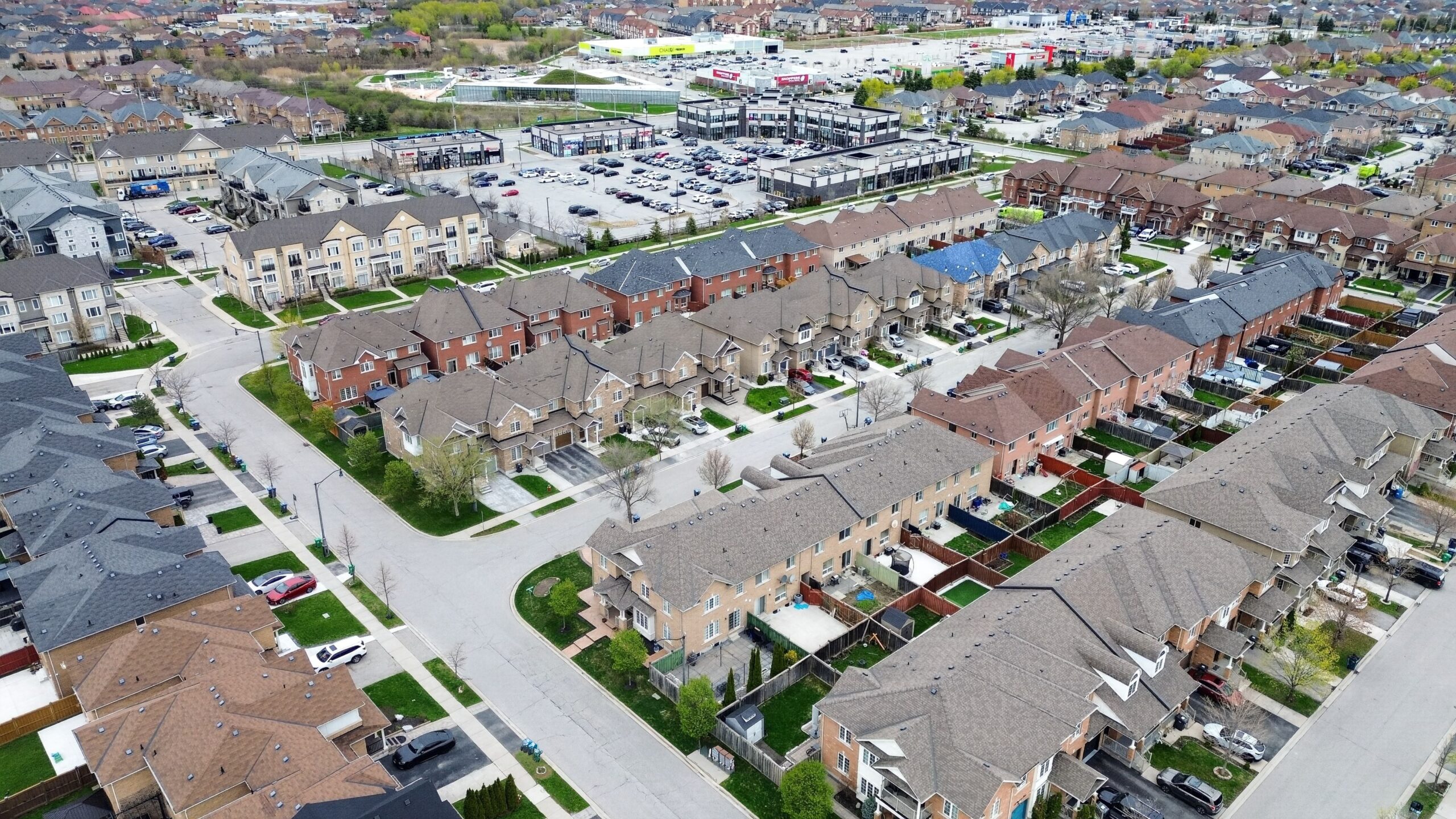
The GTA is not just one market, it’s a patchwork of neighbourhoods and suburbs, each playing by its own rules. While you may see headlines about a 2026 housing slowdown, smart buyers are focusing on GTA suburbs outperforming 2026 housing market trends. Here’s where the real opportunity, and stability, exists, and why these five communities stand out from the rest.
The Reality of the GTA Housing Correction in 2026
Most headlines talk big: “housing downturn, prices slump,” and so on. But the Greater Toronto Area is never just one story. In 2026, it’s true that many areas are under pressure. Inventory is up and price corrections are here. Detached homes in Toronto, for example, have slipped about 5% year-over-year. Condo prices have softened in many towers, especially with new supply coming online.
When markets turn, the most common reaction is to freeze. Buyers worry about paying too much if prices dip further. Sellers wonder if now is the wrong time to move. But real estate isn’t just about big averages. Some suburbs in the GTA are showing strong resilience, driven by local jobs, new infrastructure, affordability, or a combination of all three.
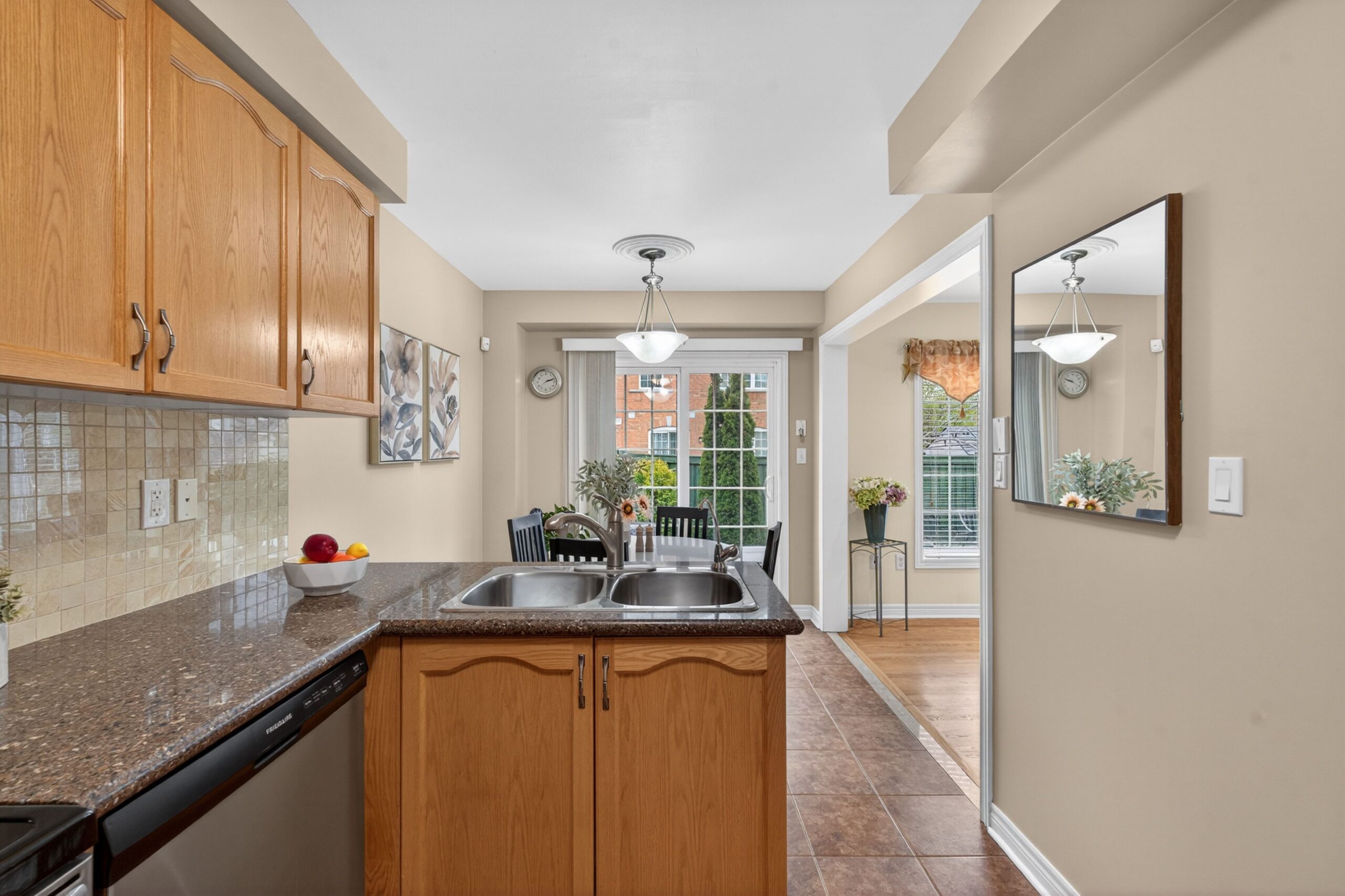
5 GTA Suburbs That Stand Out in 2026
What makes these suburbs different? It’s rarely an accident. These places are cushioned by healthy fundamentals: strong employment, smart planning, family-friendly amenities, and balanced supply and demand. As the broader GTA market goes through a correction, here’s where buyers and investors should pay special attention:
1. Whitby: Affordability Meets Local Growth
Whitby stands out for simple affordability. It isn’t the least expensive suburb, but compared to much of the GTA, it offers better value for buyers, especially first-time buyers and young families. The price-to-income ratio is healthier than Toronto or Mississauga, so people aren’t stretched to their financial limits. This keeps demand steady and helps insulate against steeper price drops.
Thinking about selling your home?
Get a free, no-pressure valuation from a GTA realtor who tracks this market every day.
Whitby has another angle: local job growth. More residents are able to work where they live, making it a community with its own economic energy. Rental demand is also high, which is a sign that people want to stay in the area. For long-term investors and buyers focused on stability, Whitby offers a balance of price and value that few suburbs can match.
2. Burlington: The Goldilocks Market
Burlington isn’t the cheapest, and it isn’t a speculative high flyer, it’s the market in the middle, quietly demonstrating stability. While parts of Halton have swung up and down, Burlington has kept control: when the market cooled after the pandemic, it normalized. Inventory rose, but demand from families and professionals kept things moving at a healthy pace.
Key factors here are strong GO Transit connections, highway access, and a lifestyle that appeals to both commuters and remote workers. As Toronto affordability struggles, the spillover benefits Burlington, without the volatility seen in other markets. If you want a suburban market less prone to wild swings, Burlington deserves a close look. For a deeper dive, check out the Burlington Real Estate Market July 2025 update.
3. Markham: Tech Economy Strength
It’s not just about housing, it’s about jobs. Markham’s reputation as Canada’s tech capital is well-earned, with hundreds of major firms (think IBM, Oracle, and more) located here. High-paying jobs mean that demand holds up, even when the wider market softens. Markham’s buyers are often skilled professionals and families who want proximity to work, schools, and diverse neighbourhoods.
Supply has increased and prices have cooled somewhat, but the strength of the local labour market supports property values. The presence of a new York University campus is also set to ignite the rental and resale market further. In Markham, employment-driven demand helps reduce risk for long-term buyers.
4. Milton: Growth and Future Potential
Milton is one of the GTA’s fastest-growing suburbs, and for good reason. Young families, new immigrants, and a steady population surge are driving demand well into 2026. Major infrastructure, such as the GO train expansion and Wilfrid Laurier University campus, are turning Milton into a bigger regional player.
Sales volumes have held steady despite headwinds elsewhere. With fewer new builds in the pipeline, the continued population growth puts pressure on existing homes. For buyers wanting to get in before further expansion, Milton offers a rare mix of growth and community. If you’re weighing your move, read more on the pros and cons of moving to Milton.
5. Oakville: Long-Term Stability
If you think of real estate as blue-chip investing, Oakville is your stock. The market here is anchored by long-standing fundamentals: top-rated public and private schools, steady demand from high-income families, prestige homes, and reliable transit links.
While Oakville experienced some cooling in 2025, prices didn’t crash, they corrected healthily. These factors help Oakville hold its value better than nearly anywhere else in the GTA. Even now, buyers and renters are lining up for both condos and detached homes, confident in the area’s ability to weather market cycles. For insights into condo opportunities, see Oakville Condo Fire Sale 2025.
Why These GTA Suburbs Are Outperforming the Market
These five communities have distinct strengths, but they share some core features that set them apart in a cooling market:
- Affordability: Suburbs like Whitby give buyers a chance to enter the market without overextending themselves.
- Job Growth: Markham’s tech hub status and strong local employers in Milton and Oakville support ongoing demand.
- Quality of Life: Stable, family-oriented cities like Burlington and Oakville attract residents who plan to stay for years.
- Infrastructure: Investments in transit, universities, and new amenities shape long-term value well beyond 2026.
It’s important to remember the GTA is full of micro-markets. Some may see price dips or rising inventory, but others have a floor under them because of these fundamentals. Data, not guesswork, should drive your strategy.
Q&A: Navigating the 2026 GTA Real Estate Market
Is now a good time to buy in these suburbs?
It depends on your goals and financial situation. If you’re looking long-term and can afford today’s prices, these communities offer more insulation against steep drops. If you’re uncertain, a strategy session can help clarify your options.
Will prices keep falling everywhere in the GTA?
Some areas may see more correction, especially where supply exceeds demand or job growth is weaker. But the suburbs covered here have structural strengths that support stability. Not every neighbourhood moves together.
Where can I learn about other areas where prices have dropped more sharply?
For a deep dive on suburbs facing tougher market conditions, see GTA Suburbs Home Price Drops: 8 Areas Where Values Have Collapsed.
Next Steps: Planning Your Move in the GTA
The 2026 GTA market is complex, but opportunity still exists if you know where to look. The key is to match your budget and goals to the right neighbourhood, whether that’s stability in Oakville or up-and-coming growth in Milton. If you want professional guidance or a more detailed breakdown for your situation, book a call or explore more resources with this GTA real estate agent. I work with buyers and sellers in the GTA and all the communities discussed here. Making the right move starts with understanding your options.
Want this on your specific block
If you want to know what this means for your home or your search, send me a note. You can book a fifteen minute call, or run a free home valuation and I will send the recent comps for your street. I cover the Toronto market every week, so I can tell you what the data is doing in your neighbourhood before you make a move.

Sales Representative | Robbio Nicolle Real Estate Team at Real Broker Ontario
Halton Hills realtor covering Georgetown, Milton, Mississauga, and the wider GTA. Data-first, no hype. Featured on YouTube at The Market with Mats Moy with 500K+ views.