Hook Formula Used: Symptom-first.
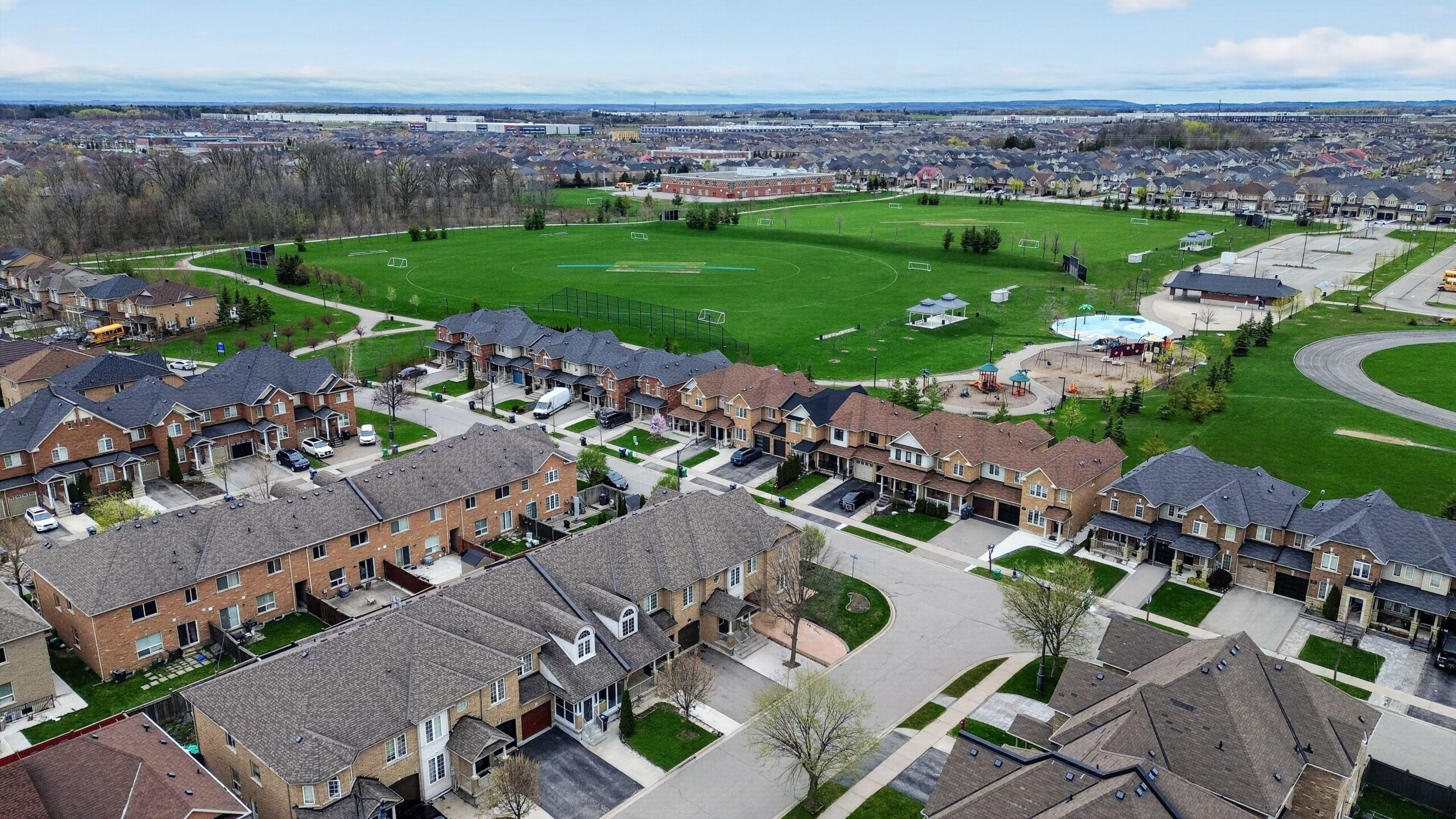
You refresh HouseSigma at 11 PM and see another Brampton detached drop its price. You see more listings lasting past the 21-day mark, and when one finally sells, the number is below what your neighbour got last year. This isn’t the same Brampton market you remember from early 2024. The brampton real estate market 2026 is going through a real change, and January’s numbers put it front and centre.
Where the Market Is Headed: Opportunity in Plain Sight
The shift is real. In January 2026, Brampton saw an inventory build-up that’s hard to ignore. A normal, balanced market in Brampton would involve homes selling inside three weeks. This past January? Listings in neighbourhoods like Fletcher’s Meadow and Bram East were regularly passing 30 days without action.
Here’s one to watch: Detached homes over $1.1 million in Bram West routinely sat for 35, 40, even 50 days, with some sellers shaving $50,000 off their ask just to get a showing. Houses that went for $1.25 million in early 2024 now quietly close in the $1.1s. More choice for buyers and a chance for a new class of deal-hunters to finally negotiate like it’s 2017.
Brampton is one of the few GTA markets where both the listing count and the days on market are up at the same time. This means buyers see leverage that didn’t exist twelve months ago. January saw listing counts up about 23% over the same time last year, a level not seen since pre-pandemic resets. Not just detached either: even towns and semis are feeling it, with one Queen Street semi sitting 60 days before a $38,000 price cut got it moving.
With so many sellers hanging on to 2022 price expectations, the buyers who move fast get first pick. But the cost of waiting is not always obvious, and there’s another side to this.
The Real Trap: Why the Old Approach Does Not Work
You have probably heard that “if you price right, it’s still a seller’s market.” That was true when interest rates were in the ones and twos, but now it’s a different plain. In Brampton, average mortgage rates for new buyers are above 5.4%. That alone shaved thousands off what buyers can actually afford. Combined with the city’s property tax hike (recently set at 6.2%, the highest in years), the monthly carry for any house is up, without wages rising to keep pace.
This has a chain reaction. Homes listed mid-January at $1.15 million, hoping for a 2022-style bidding war, ended up cutting their ask to $1.099 before selling, often after weeks of silence. Brokers try relisting as “fresh” after 30 days, but buyers see through it and wait them out. The old playbook, list high, negotiate down a little, quick sale, just does not work in Brampton right now.
Thinking about selling your home?
Get a free, no-pressure valuation from a GTA realtor who tracks this market every day.
If you stick to the usual approach, your carrying costs add up quickly. Every month your house sits unsold, you’re losing about $5,900 (counting mortgage, tax, and utilities on an average detached). That’s $17,700 in three months. In two extra months waiting for the “right” buyer, you’ve wiped out more than last year’s annual price appreciation in your neighbourhood. Inaction has a real price, and in a market like this, the losses stack up.
But some sellers and buyers are sidestepping this mess by taking a different path entirely. The solution: swap out the old seller mindset, and focus on what the numbers and actual buyer behaviour show today.
How to Navigate: A Replace-the-Playbook Approach
The classic advice, “just wait, the spring market will bail you out”, has left many owners in Brampton waiting twice as long for results. Instead, what’s working now is radical realism. Sellers who start with honest, up-to-date comps (not wishful last-summer comparables) are still moving homes in under a month. The buyers showing up are the ones expecting negotiation, not a bidding war. It’s less about staging and more about nailing the number. This is as much about psychology as it is about price: buyers are entering with lists of comparable sales, not hopes or dreams.
Brampton is not alone either. Mississauga condos and Halton Hills detached both saw a major increase in days on market this January, though price cuts are not as steep as here. The numbers tell you there’s a small window to be ahead of the next wave of listings, before spring crowds out the serious buyers with even more stale inventory.
So the fence around it: ignore the “hold out for multiples” hype you still see on social media. The agents quietly getting things done in Brampton are the ones willing to tell sellers what the market will actually bear today, not just what they want to hear.
The next section shows what you actually get by facing this head-on.
Clear Benefits for Both Brampton Buyers and Sellers
If you make your move now, using the numbers, you skip weeks of heavy carrying costs, so you can focus on the next chapter, not another round of price cuts. For buyers watching Brampton real estate, more stale listings mean more choices, more negotiating power, and a real shot at getting your offer considered, so you can land a family home with breathing room.
Both sides also get clarity: no more guesswork about whether you’ll sell or sit. The market is transparent in 2026. If you price where current solds are, you’ll draw the serious buyers. If you try to hold out for another $40,000, expect your listing to go stale. Data beats hope; the ones who follow the math are the ones closing deals the first time, so you can make your move with certainty instead of second-guessing every showing or price drop.
No more months watching HouseSigma at midnight, hoping your neighbour’s high price is a sign. The reward in this market is for the realists, not the wishful sellers waiting for a rebound the numbers do not support.
The only trick is to know the real steps and put them in play before your competition does. Here is what that system looks like on the ground next.
Step-by-Step: What Is Actually Working in Brampton Right Now
- Start with Fresh Sold Comparables: Pull only December and January closings (not September or last spring). In 2026, that could mean $80,000 difference for Bramalea detached listings alone.
- List Just Below Ripe: If current actives are at $1.15 million but most solds are $1.09 to $1.1, price at or slightly under the last closing. Skip the “let’s try for more” round. It’s not working in West Brampton, especially above $900,000.
- Proactive Price Review: If you’re not getting 5+ showings in the first 10 days, take action in week two. Don’t wait a full month for market feedback. That’s how listings get old and forgotten, especially at $1 million and up.
- Answer Buyer Objections Directly: Rates are higher and insurance rules are stricter (the stress test is not leaving). Offer flexible closing, small credits on inspection, or mortgage buydown incentives. Most agents are not talking about this, but buyers in 2026 expect it.
- Plan With Real Timelines: Today, a strong Brampton listing still moves in less than 21 days, so you can budget your next move, not let two months of extra tax and mortgage eat your profit away.
If you’re thinking of listing, use the numbers, not memories. Watch out for that creeping cost of inaction: every extra week could cost you thousands in carrying costs, lost buyer interest, and eventually deeper price cuts. The longer you wait for Brampton to turn back into 2021, the harder it is to sell without sacrificing even more money to the market.
Want to see how Brampton property tax increases add to this picture? See the real cost for Brampton homeowners here.
Next Steps for Brampton Sellers and Buyers
The Brampton real estate market 2026 is a test of realism. Sellers ignoring the new rules are leaving thousands on the table, month after month. If you want to see what your Brampton home could actually sell for today, before another week of carrying costs gets added, use the free home evaluation tool or contact me here. Or if you want to talk through your own situation one-on-one, book a call directly. I cover the Brampton market full-time, with local sales and on-the-ground data, not just old listing stories. Data, not drama, will get you moving in 2026.

Sales Representative | Robbio Nicolle Real Estate Team at Real Broker Ontario
Halton Hills realtor covering Georgetown, Milton, Mississauga, and the wider GTA. Data-first, no hype. Featured on YouTube at The Market with Mats Moy with 500K+ views.