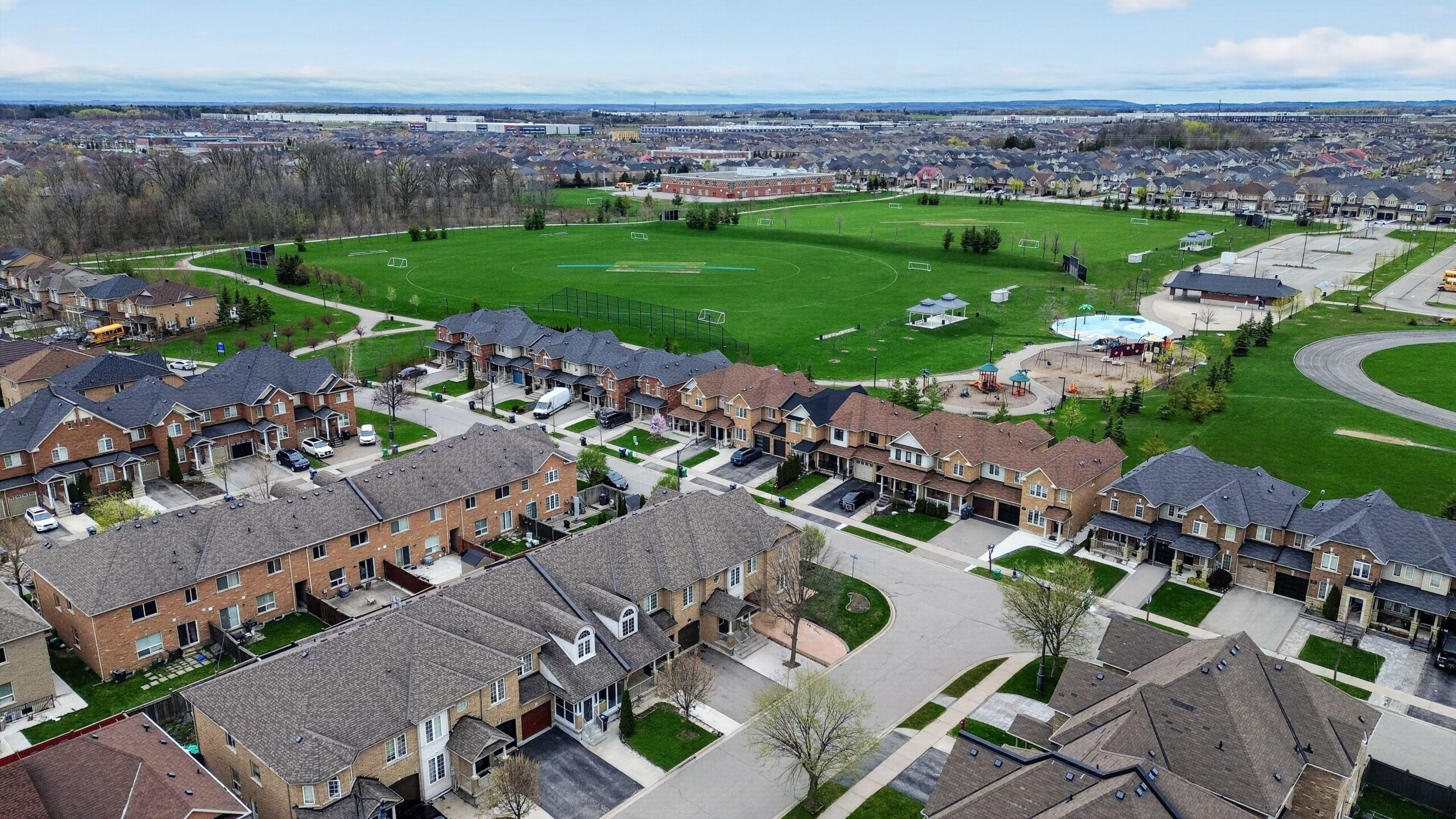
Brampton homeowners keep hearing that the 2026 property tax hike is only 1.5%. But the truth is, that number barely scratches the surface of what’s actually coming out of your pocket. If you own a home in Brampton, this “low” increase hides what you’ll really see on your tax bill next year. This article breaks down the 2026 Brampton property tax increase, why it’s more than a headline, and what’s actually going to land on your doorstep.
Headline Versus Real Increase: The Brampton 1.5% Claim
The City of Brampton put out a slick headline: property taxes are only set to rise 1.5% in 2026. At first glance, this sounds manageable. But most homeowners in Brampton won’t actually pay just 1.5% more than last year. Here’s why the real increase is way higher than advertised.
This 1.5% figure is what the city controls directly. But the property tax bill on your home has three major parts: Brampton’s share, the Region of Peel’s share, and the education levy (a provincial charge, mostly for schools). Brampton only sets its own slice. If only the city’s share increased 1.5% and the other parts stayed flat, things would be easier to forecast. Reality isn’t so simple.
Peel Region and Education Levy: The Hidden Part of Brampton Taxes
If you look at your actual 2025 tax bill, Brampton’s portion comes to just over a third of the total. Most of the rest is the Peel Region take, covering things like policing, social services, and infrastructure that cross city boundaries. And then there’s the education piece, which the Ontario government sets.
For the typical Brampton home valued at $780,000, the total property tax was just over $4,600 last year. Only about $1,663 of that went to the city. The rest totalled nearly $3,000 and isn’t something Brampton city council can freeze or cut. Peel’s 2025 regional tax change landed closer to 4.5%. Education rates can jump depending on the province’s annual reassessment.
Want the real numbers on your mortgage?
Run a quick calculation with current rates, taxes, and condo fees factored in.
How the 2026 Property Tax Bill Breaks Down
- Brampton city portion: up 1.5%
- Peel Region: expected up 4.0% to 5.0%
- Education levy: could remain flat or increase slightly (not in city’s control)
Combine all three, and most Brampton households will see a property tax jump of at least 3% to 4%, not the 1.5% from the city’s press release. If Peel Region opts for higher spending, or if the province hikes the education rates, your real property tax increase could approach 5% year over year.
Why the Real Dollar Impact Feels Bigger
With average home values in Brampton holding above $750,000 (even with market shifts), the difference of a few percent is not a rounding error. Compare your current tax of about $4,600 to a possible $4,800 next year. On a fixed budget, that rise stings, especially with rising insurance, utilities, and mortgage renewal hurdles.
Many Brampton neighbourhoods with homes assessed above $850,000 will see their bills pass the $5,250 mark, even with “just” a percentage point or two on the headline increase. It’s also worth noting that, if MPAC updates assessments to reflect recent resale activity (after the pandemic pause), basic tax math will mean much larger increases in coming years than just 1.5%, even if council keeps city spending tight.
Comparison: Brampton Versus Other GTA Suburbs
Neighbouring Mississauga and Vaughan have been wrestling with the same multi-part tax structure. In 2025, Mississauga’s total property tax bill went up by roughly 4%, even though their city share was only 2.1%. Peel’s regional budget pressures affect both Brampton and Mississauga, but the province’s policies trickle down everywhere. This year, Peel’s increased regional policing costs and infrastructure repairs landed on ratepayers’ backs. Many Brampton homeowners report their latest bills have jumped by $200 to $300 in a single year, even on a so-called “frozen” assessment and a headline rate under 2%.
Brampton Tax Bill Q&A
Why does the city only control one part of my bill?
Brampton city council votes on its operating budget each year, which determines their portion. The Peel Region council sets their part, often in response to regional demands like public health or major roads. The province controls the education portion, and that is updated for all Ontario municipalities, Brampton has no local say here.
What about MPAC assessments?
Property taxes are based on assessed home value, which MPAC (the Municipal Property Assessment Corporation) updates after market cycles or government direction. Assessment has been on hold since the pandemic, but a future update could raise your home’s assessment even without a tax rate change. This would multiply the dollar value owed, even if rates are steady. Stay tuned for any MPAC announcements that could shift the baseline.
Can my bill actually go down?
Unlikely, unless one or more portions (city, regional, education) is cut, something that hasn’t happened in years. Even during slower market periods or economic uncertainty, most municipalities find themselves forced to raise revenues to maintain services. In Brampton, pressure from growth, infrastructure repair, and policing makes drops rare.
What Brampton Homeowners Are Seeing on the Ground
The feedback from neighbourhoods like Fletcher’s Meadow, Bram West, and Sandringham-Wellington is clear: last year’s bills already feel heavier than the headlines suggest. Those who bought at the peak or with minimal down payments now face not only higher tax bills but also insurance and renewal costs, squeezing household budgets.
This is part of a wider GTA problem, but Brampton is a classic example of the gap between political messaging (a low city rate) and what you’ll actually see added to your property costs each year. For residents eyeing power of sale listings on the rise, property tax pressure is one more reason families are rethinking what they can afford locally.
For more details on Brampton’s changing cost of living, see Why Families Are Leaving Brampton or learn how downtown investments are shaping future taxes in Downtown Brampton Redevelopment.
Want to dig into your Brampton property’s real numbers, or see how your neighbourhood compares? Start with the Brampton real estate guide or get your home value here. If you have questions or want to strategise around local costs, send me a message or book a call. I cover Brampton and the wider GTA, keeping a close eye on what’s actually happening in the market, so you’re never caught off guard by the next tax bill.

Sales Representative | Robbio Nicolle Real Estate Team at Real Broker Ontario
Halton Hills realtor covering Georgetown, Milton, Mississauga, and the wider GTA. Data-first, no hype. Featured on YouTube at The Market with Mats Moy with 500K+ views.