Hook formula: Symptom-first.
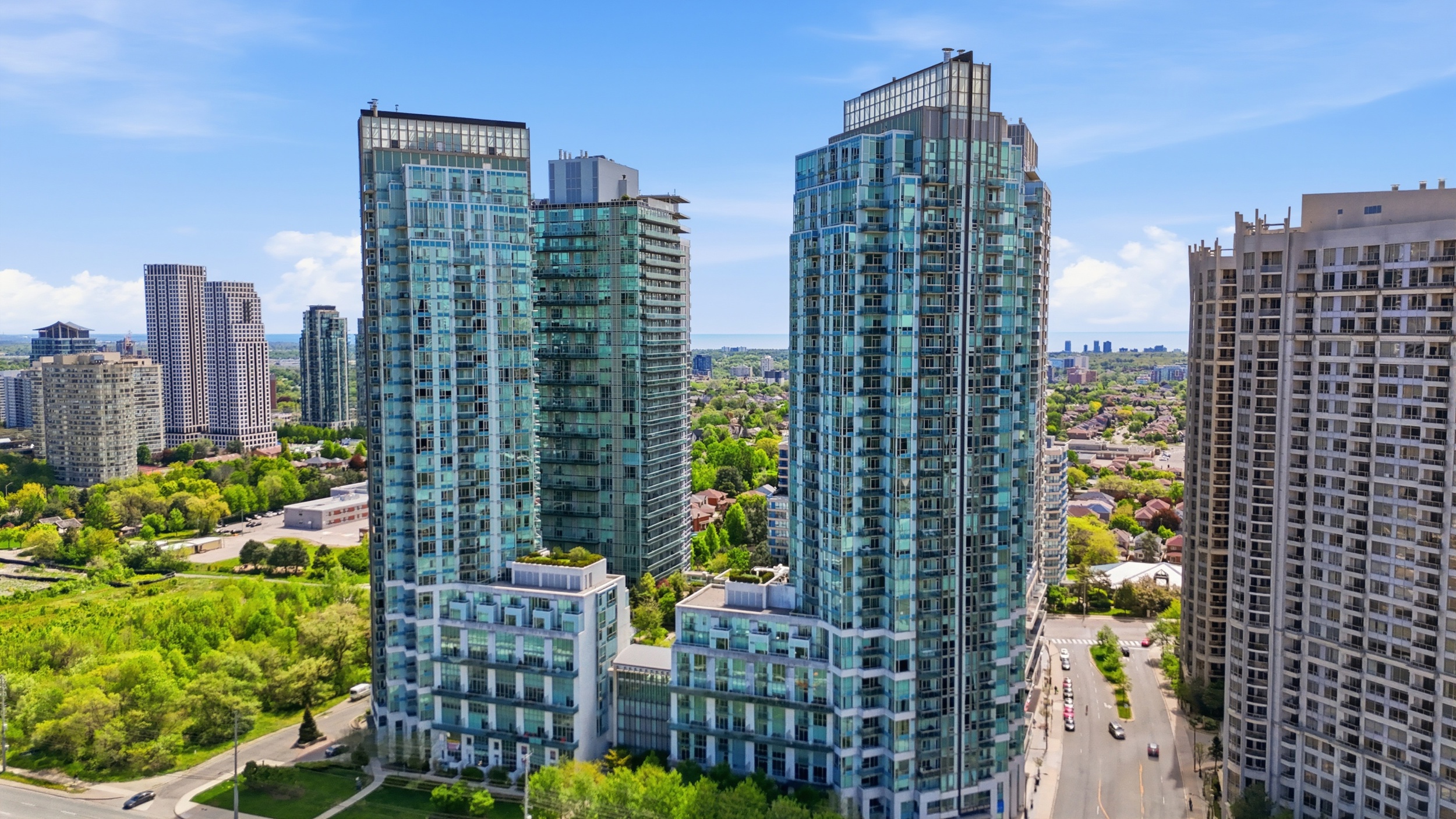
You open HouseSigma one night and notice another Toronto condo with a $40,000 price cut. It is not just one building, sold prices across downtown and in neighbourhoods like Liberty Village keep slipping. If you are even thinking about buying a condo in Toronto this year, pay attention: some units are showing clear warning signs. The focus today is on the toronto condo market 2026, what is driving the hesitancy, and which types of condos you might want to pause on.
The Opportunity: What’s Still Possible in Toronto’s 2026 Condo Market
If you scan the headlines, it sounds like Toronto’s condo market is in full retreat. But here’s what is actually happening: buyers have more power now than they have in years. In some pockets, like King West and St. Lawrence Market, inventory is above 8-year norms and active listings hit their highest level since 2016. Sellers are finally negotiating. Units that would have sparked bidding wars in 2021 are taking 41 days or longer to sell. That leaves you with choices: negotiate harder, shop around, even request incentives from burnt-out pre-construction sellers desperate to unload their contracts.
Mortgage rates in early 2026 may finally soften (according to the Bank of Canada). That could make payments easier, but the best part for buyers is the leverage. Condos in North York and downtown are sitting longer, with 23 percent more active units than last spring. The window to hunt for real value has cracked open.
But not every unit is a deal. Many buyers in Mississauga and beyond are seeing the same conditions in their own markets, and just as many are being burned by units that keep sinking in value.
Not all advice about ‘buying the dip’ will protect you. Next, I’ll show you where that breaks down in Toronto’s current market.
The Problem: The Mainstream Condo Playbook Is Failing
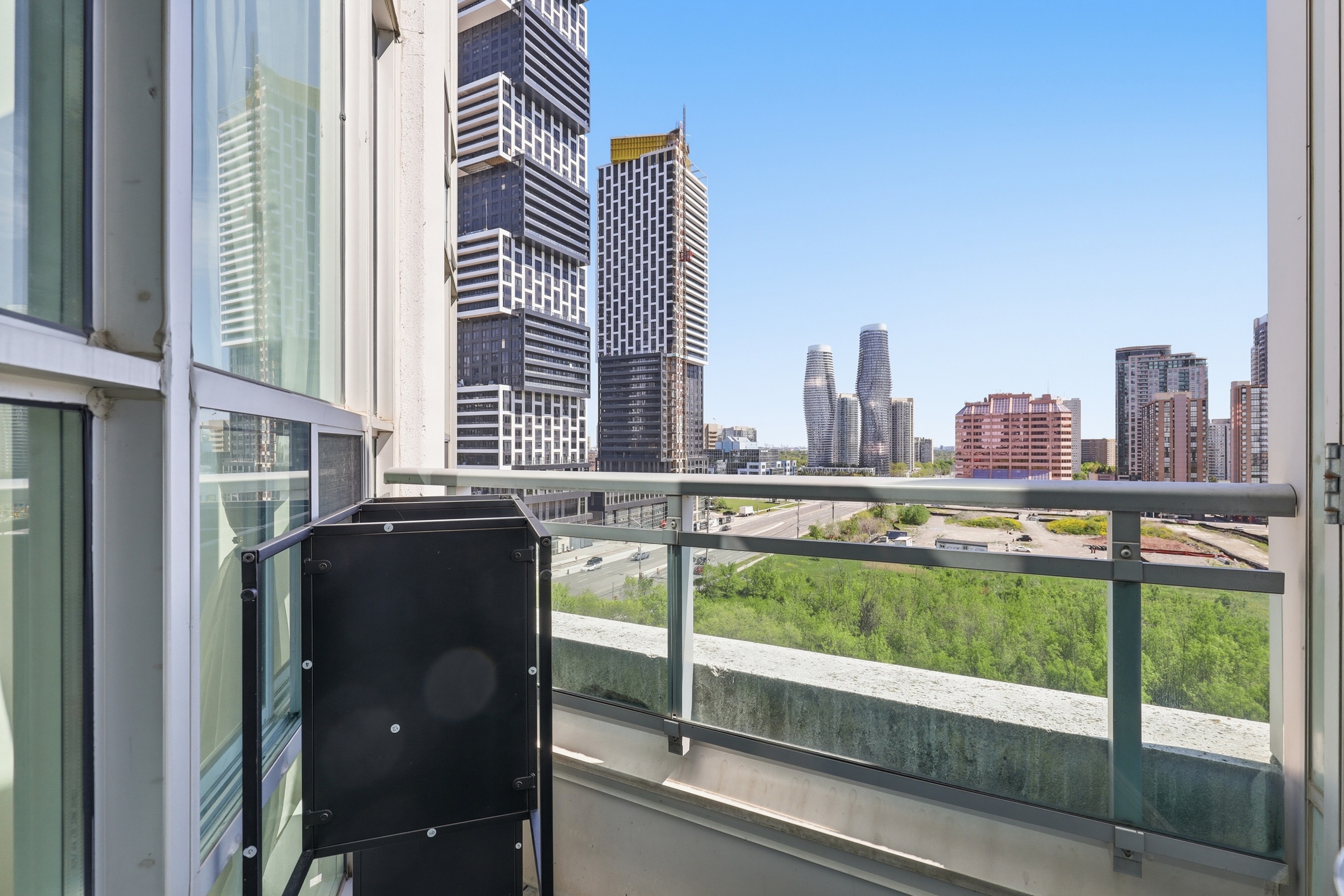
For years, the standard advice for Toronto real estate was simple: get into the condo market as soon as possible, ride the wave, and let appreciation do the work. In 2026, that thinking has holes. Certain types of condos are dropping faster than others. Concrete example: older high-rise tower units, especially those built between 2005 and 2012, are losing buyers. The buildings at 300 Front Street West and 1 King West have dozens of similar units stacking up. Sellers in these towers are slashing prices by $50,000 or more as new listings pile up. Many properties have been delisted and re-listed month after month. They are sitting for 60 days, some even longer.
Pre-construction assignments, once a goldmine for flippers, are falling apart before closing. Buyers who paid $1,200 per square foot in 2022 for a one bedroom in Liberty Village could see resale units at $1,000 per square foot today. If you bought new in Midtown and the building completes this year, you may face capital loss, or worse, negative equity if the market slides another five percent. Two examples from the same week: in the Entertainment District, a 2-bedroom condo listed at $799K last month changed hands for $730K after failing to sell three times.
Thinking about selling your home?
Get a free, no-pressure valuation from a GTA realtor who tracks this market every day.
And it’s not just Toronto. Mississauga saw condo prices dip by 10 percent year-over-year, with maintenance fees on older towers creeping close to $1,000 per month for some buildings (see Mississauga Condo Costs: Why Owners Are Paying $1,000 a Month).
This is why just following the average advice, buy any unit you can qualify for, won’t cut it. Here’s a closer look at the angle that sidesteps these pitfalls.
The Solution: Spotting Troubled Toronto Condos Early
The key right now is looking at each building as its own market. Where are the warning lights flashing? Three types of Toronto condos are flashing red in 2026:
- High rises built between 2000 and 2015 with hundreds of units (especially east of Yonge and along the Waterfront).
- Buildings with maintenance fees rising faster than 7 percent per year. At Queens Quay West, monthly fees for some 1-beds top $820. In CityPlace, owners in older towers are seeing assessments added on top.
- Any property with more than 10 active listings at the same address or repeated price cuts. Example: 25 Telegram Mews, where sellers have to offer cash bonuses just to attract showings.
Contrast this with boutique buildings, true hard-loft conversions (20-60 units), or buildings with strict rental rules and stable reserves. These have smaller owner communities, fewer investor units, and tighter turnover, making them less risky in a choppy market. Units in these buildings may only drop 2 to 3 percent year-over-year versus the 8 to 12 percent losses in oversupplied towers.
This approach differs from the usual “location, location, location.” Instead, it’s about reading a micro-market: tracking turnover, condo financials, and live Days on Market data building by building. The big price drops are happening in towers where dozens of identical units are fighting for the same buyer.
Understanding exactly which warning signs to watch for can help keep you out of a financial trap, so you can actually benefit, not bleed, when the market recovers.
The Benefits: Avoiding the High-Risk Condo Trap
The result of this approach? You filter out units most likely to lose value, so you can avoid buying into a slow-motion correction. By focusing on smaller, more stable buildings, or those with healthy reserve funds and lower turnover, you avoid years of negative equity and slow resale so you can move freely if your plans change. You side step the risk of being trapped with a unit you cannot sell unless you take a $60,000 loss. It is a way out of the grind of chasing every “price reduced” unit, only to find more hidden costs.
There’s another benefit. Buyers in buildings with limited inventory and steady sales have a higher chance of steady rents and less investor panic, so you can count on a more stable future, especially important if you are not planning to hold for 10 years just to break even.
One last thing: inaction costs real money. A buyer who delays in 2026, aiming to time the perfect bottom, may lose the window to negotiate on condos that do have rare upside. Several buyers in North York this spring lost out on $30,000 incentives and ended up paying higher fees or getting last-pick units. Waiting can work, but only if you are watching the right buildings, not the overall city averages.
What does this look like step-by-step? See exactly how to zero in on lower-risk Toronto condos below.
System: How to Screen Toronto Condos in 2026
- Check Building Inventory: Look up each building on HouseSigma or Strata.ca. Flag anything with more than 7 to 10 active units, or long days on market (over 40 days).
- Contact the Property Management: Ask for the last three years of financial statements and status certificates. Focus on maintenance fee increases (over 5 percent per year is a yellow flag) and special assessments.
- South and East Exposure: In towers with dozens of similar units, demand for north or inner-courtyard suites can be even softer. Focus on suites with something unique, balcony, view, parking, or non-cookie-cutter layout.
- Drill into Sales History: Pull the last six months’ sold prices for the unit type in your chosen building. Compare price-per-square-foot versus all of Toronto, and note any repeated price reductions or relisted units.
- Survey Neighbourhood Trends: Check for rising rental inventory nearby, since high investor-to-owner ratios can push resale prices down. CityPlace, Liberty Village, and Waterfront West are key zones to watch for this in 2026.
This micro-level screening separates the at-risk units from condos with a fighting chance, so you can focus on buildings still commanding stable prices and attracting the right type of buyer or renter.
Still feel lost? Here’s where to get even more local details and compare your options for the toronto condo market 2026.
Next Steps: What to Do About Toronto Condos in 2026
The warning signs are here and buyers have more leverage in Toronto than they have since before the last boom. But if you focus only on headlines or jump on the next price cut, you could end up owning a condo you are desperate to sell a year from now. The safer move is to make the data work for you, unit by unit, building by building.
If you want more details about specific buildings or want to see live examples of units at risk, you can see more market breakdowns or connect with a Toronto real estate agent who covers the whole GTA. You can also contact me directly to compare options or book a call for a quick strategy session. I cover the whole GTA, so if you are thinking about buying or selling in Toronto, or any other suburb, you will get real detail, not just marketing talk.
For more on what is happening with Toronto condos as prices and days-on-market shift, see Toronto Housing Market Correction 2026: What Phase Two Really Means next.

Sales Representative | Robbio Nicolle Real Estate Team at Real Broker Ontario
Halton Hills realtor covering Georgetown, Milton, Mississauga, and the wider GTA. Data-first, no hype. Featured on YouTube at The Market with Mats Moy with 500K+ views.