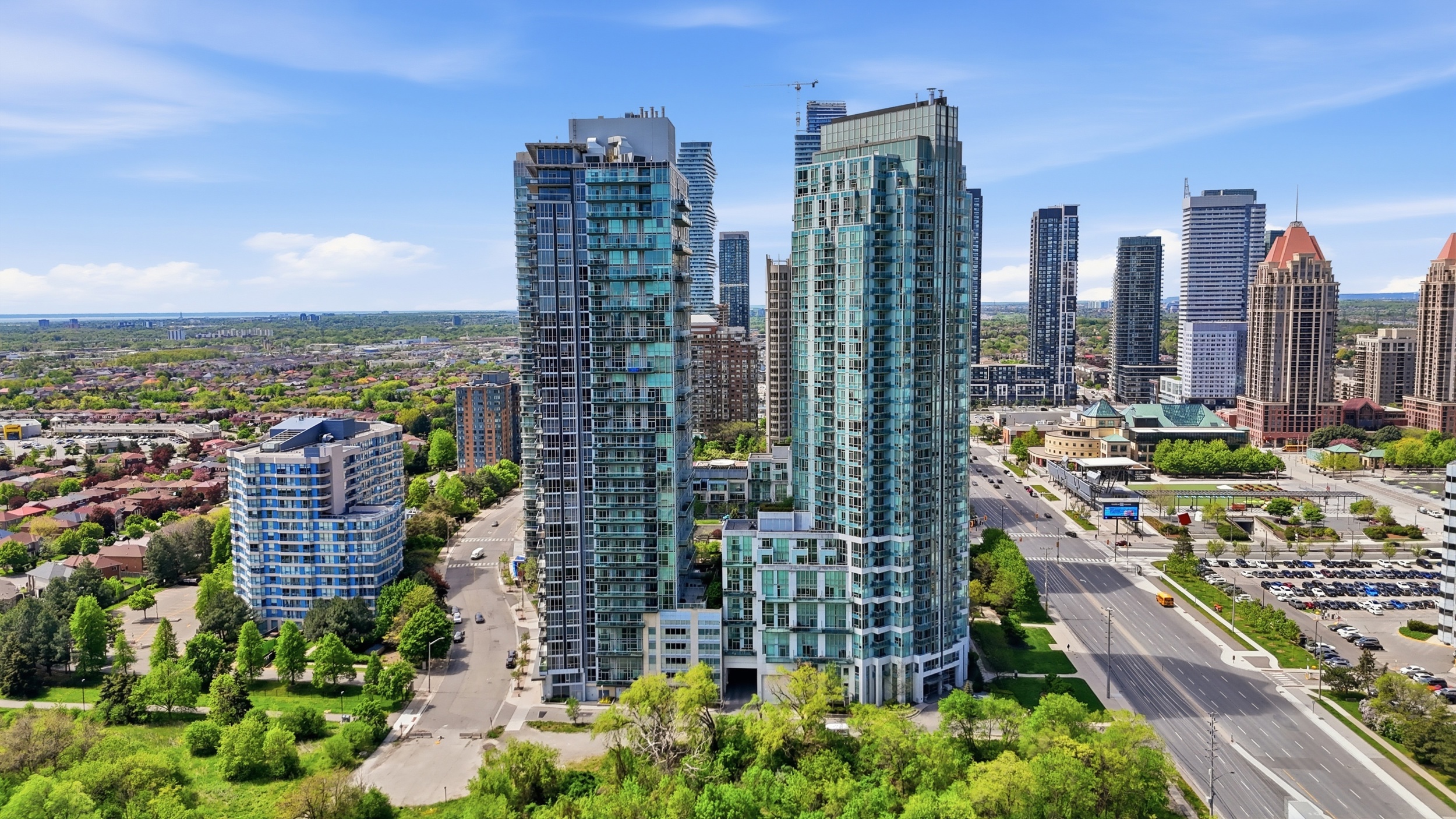
There’s a lot of talk about recovery in the Toronto real estate market, but a closer look at the numbers tells a different story. The focus keyword here is toronto housing market correction 2026, because the next phase of this shift is already underway. If you own, plan to buy, or invest in Toronto or the GTA, here’s what you need to know to stay ahead of the curve and avoid making rushed decisions.
Why the Recovery Narrative Doesn’t Match Toronto’s Housing Data
It’s easy to believe the headlines that say prices have finally bottomed, especially with the Bank of Canada done raising rates for now. Many expect a modest national rebound in 2026, but Toronto’s numbers tell another story. By late 2025, the benchmark home price in the GTA had dropped 5.8% year-over-year, with average sale prices down roughly 6%. Months of inventory were building in Toronto and nearby cities like Mississauga and Brampton, signalling a shift to a buyer’s market in many areas.
Reports from national real estate brands often highlight a “flat” or “reset” year across Canada, yet local GTA forecasts show continued declines. Royal LePage is projecting aggregate home prices in the GTA to fall by about 4.5% in 2026, while Remax also expects Toronto sale prices to drop, even as transaction volumes see a small uptick. This means the so-called “stability” in today’s market may just be a temporary standoff between buyers and sellers, not a sign that a full recovery is underway.
The reality is more inventory and slower sales, especially in the condo market. In this in-depth guide to the Toronto condo market correction, I break down why resale condo prices are under additional pressure and what buyers should watch for moving forward.
Three Indicators Phase Two of the Toronto Housing Correction Has Begun
Let’s get specific about what the data is showing. There are three main signals that the correction isn’t over, and that another leg down is possible:
1. The Mortgage Renewal Squeeze
Many Toronto homeowners locked in low rates in 2020 and 2021. Now, about 60% of outstanding mortgages are set to renew in 2025 and 2026. For many, payments will rise by 15, 20% or more. Even with recent rate cuts, those renewing at higher rates face big payment increases. Some owners will stretch their amortization, but others will need to sell, especially those who bought at peak prices in 2021.
Thinking about selling your home?
Get a free, no-pressure valuation from a GTA realtor who tracks this market every day.
This wave of must-sell listings won’t show up overnight. It starts as slower sales, longer days on market, and bigger price reductions, especially on properties that have already been sitting. Keep an eye on specific neighbourhoods, particularly high-rise condo buildings in downtown Toronto and investor-heavy pockets of North York or Mississauga, where negative cash flow is becoming the norm.
2. Developer Pullback and Pre-Construction Fallout
If you want clues about market sentiment, watch what developers do, not just what they say. In 2025, new condo sales in the Greater Toronto and Hamilton Area dropped to about 91% below the 10-year average for Q2. More projects were canceled or deferred due to low demand and high construction costs.
In the short term, this means less investor demand for pre-construction projects and more focus on the resale market, especially condos. Any recovery will be delayed as inventory piles up and those who planned to flip pre-construction units face losses. If you’re considering buying resale condos, be extra cautious, condo inventory is up, and prices are down about 5% year-over-year as of late 2025.
3. The Visible Inventory Swell
The simplest sign is active listings. By late 2025, months of inventory had climbed towards five in several core GTA areas, a level considered balanced, not seller-friendly. The condo market is under even more pressure, with sales activity down nearly 12% across Toronto, Mississauga, and the GTA between January and October 2025. This surplus means buyers now have true leverage and can make offers with conditions, rather than competing blindly.
What matters isn’t just the overall number. Look at how long listings sit (30, 60, or even 90 days) and whether the same addresses keep reappearing with price reductions. That’s where negotiation power grows, especially for patient buyers.
Toronto Housing Market Correction 2026: Q1 Playbook
If you want to make smart moves in 2026, watch the following month-by-month cues:
- January 2026: Expect listings that failed to sell in fall 2025, plus a new group of sellers trying to get ahead of renewal. Active listings will likely stay high through winter, with slow buyer engagement. Track days on market and focus on stale inventory for the best negotiation room.
- February 2026: Attention turns to the Bank of Canada and the five-year Government of Canada bond yield, these shape fixed-rate mortgage pricing. Even modest rate cuts aren’t likely to spark a true rally, with bond yields still much higher than 2021. Will rates move enough to pull significant buyers back? Watch these signals week-to-week.
- March 2026: Pressure on sellers will start to bite as more renewals roll in. This often leads to more meaningful price adjustments, especially in the condo market where investor ownership is high, and many are already underwater. Analyse the months of inventory by property type and area, Toronto condos, Mississauga condos, and detached homes in Brampton can each behave differently.
The key for buyers: do not get caught chasing “fresh” listings that look perfect in photos but have multiple offers. Instead, build a shortlist of units that have sat for 60+ days or have had several price reductions, ideally where the seller bought in 2020 or 2021 and may be facing renewal stress. That’s where you’ll often find the biggest price flexibility.
If you’re considering your buying timeline, this related guide on When Does Buying Make Sense in Toronto? lays out the 2026 break-even calculations and strategies.
Advice for Toronto Buyers and Sellers in 2026
If you have to move in the first half of 2026: Be assertive with negotiations, there’s little reason to accept a risky deal. Conditions for financing or home inspection are easier to secure. Patience is valuable, so don’t rush unless the right home and the right price align.
If you’re flexible: Use Q1 to watch the data. If the spring arrives and inventory is still high with soft prices, you’ll likely see even better deals. Get your mortgage preapproval set, study the buildings or neighbourhoods you want, and be ready when a well-priced opportunity appears.
Investors: The numbers need to work now, with conservative assumptions about rent and interest rates. Don’t bet that higher rents or future appreciation will save you. Many investors in Toronto, Mississauga, and North York are already finding their holdings are negative cash flow, and forced sales could increase if trends hold through 2026 and beyond.
Sellers: Expect buyers to be picky, and don’t price based on 2021 figures, buyers can walk away. If you’re facing renewal stress, it’s better to get ahead of the market now than to chase it down week after week. If you want a clearer picture of value in your area, check the free home valuation tool for Toronto, or reach out for a discussion.
Key Q&A on the Toronto Housing Correction
Has the Toronto housing market bottomed?
It’s more of a grind than a sharp crash. The data suggests prices are still sliding, and Q1 2026 may not be the final bottom, especially for condos and investor-held properties.
What’s the biggest risk for buyers in 2026?
Overpaying for a “hot” listing before the broader market finds true stability. Patience and due diligence pay off now more than ever.
Which signals matter most right now?
Track active listings, months of inventory by property type, days on market, Bank of Canada guidance, and five-year bond yields. For sellers, monitor renewal timelines closely.
Your Next Step for Toronto Real Estate in 2026
If you’re considering buying or selling in Toronto or anywhere in the GTA, make sure you move with real data, not just headlines. To talk through your personal budget, timing, and strategy, visit my Toronto real estate guide or book a strategy call for direct, pressure-free advice. As a local Toronto real estate agent, I work with clients across the city and the GTA to help them make sense of this market and move at the right time.

Sales Representative | Robbio Nicolle Real Estate Team at Real Broker Ontario
Halton Hills realtor covering Georgetown, Milton, Mississauga, and the wider GTA. Data-first, no hype. Featured on YouTube at The Market with Mats Moy with 500K+ views.