Hook Formula Used: Symptom-first.
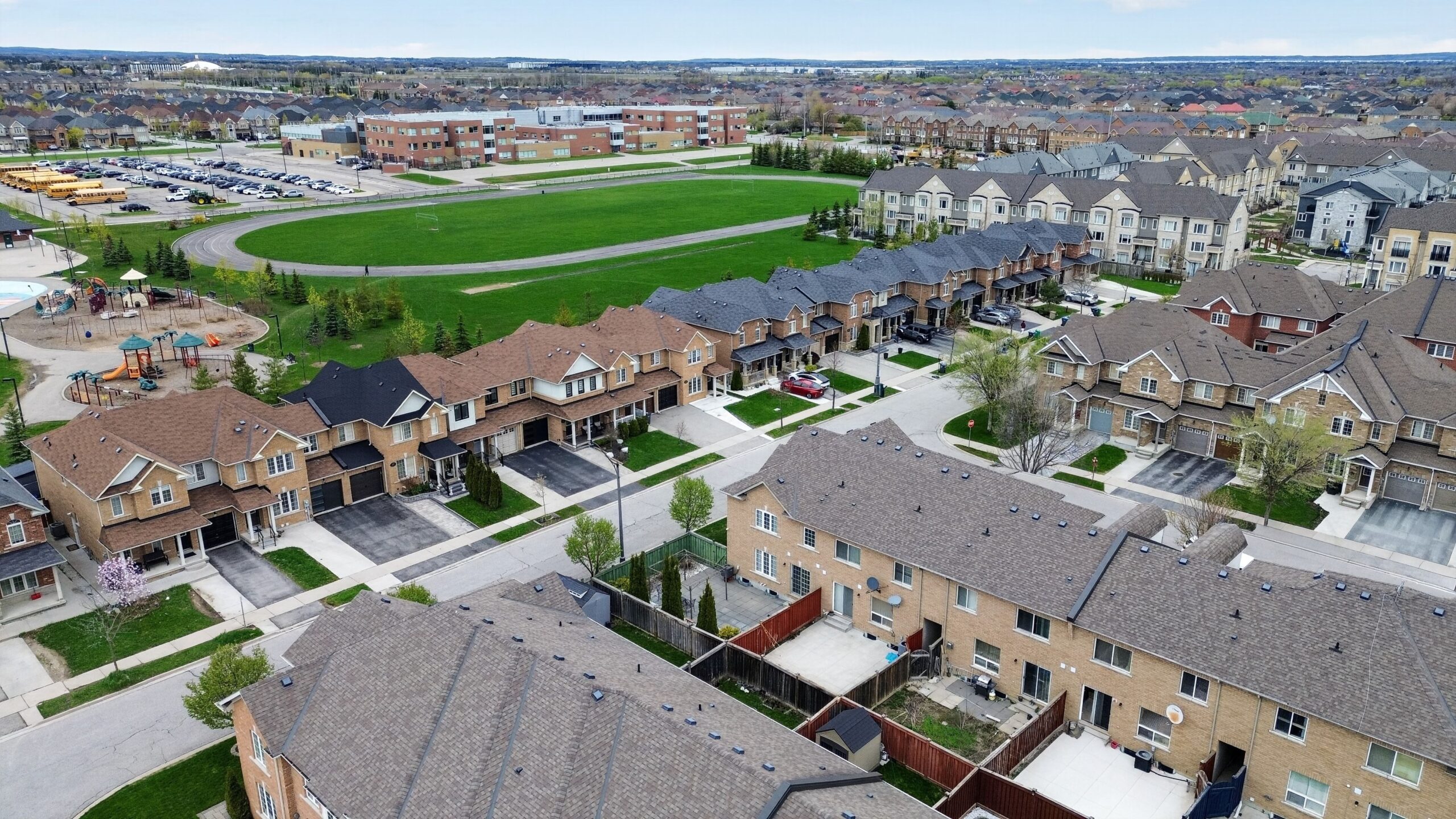
You watch another For Sale sign in Brampton sit for weeks with no calls, then spot that same family packing for Caledon or Orangeville. The brampton housing crisis is not just news, it’s your street, your neighbours, your options disappearing by the month. It’s already reshaping the way homes get bought, sold, and priced in the entire GTA.
Why Brampton’s Housing Crunch Is a GTA-wide Issue
The cracks are showing everywhere in Brampton. There are way too many listings on the market, with well over 2,100 properties posted as of this week. Homeowners are dropping prices to chase buyers who just are not biting. Even with those cuts, houses are not moving like they used to. Some areas in Brampton are seeing price drops of up to 10 percent in just 12 months. Detached homes that would get snapped up in a single weekend back in 2021 are now sitting for 29 days or more.
This isn’t some isolated local problem. Prices in Brampton usually signal where nearby cities are heading. When you see this much market pain, it draws in families who need to move, and pushes out those who just cannot afford to wait any longer.
The whole conversation about GTA home values changes. Sellers in Caledon and Mississauga feel the pressure as buyers arrive from Brampton with tight budgets and big demands. One neighbourhood’s stress can become another’s price correction. So, what is the impact if this migration continues into 2026? The answer matters for you, whether you own in Brampton, have eyes on West Mississauga, or rent in Orangeville and keep seeing fresh Ontario plates from Peel Region in the driveway next door.
Brampton’s Old Playbook Is Broken: The Loss and Tradeoff
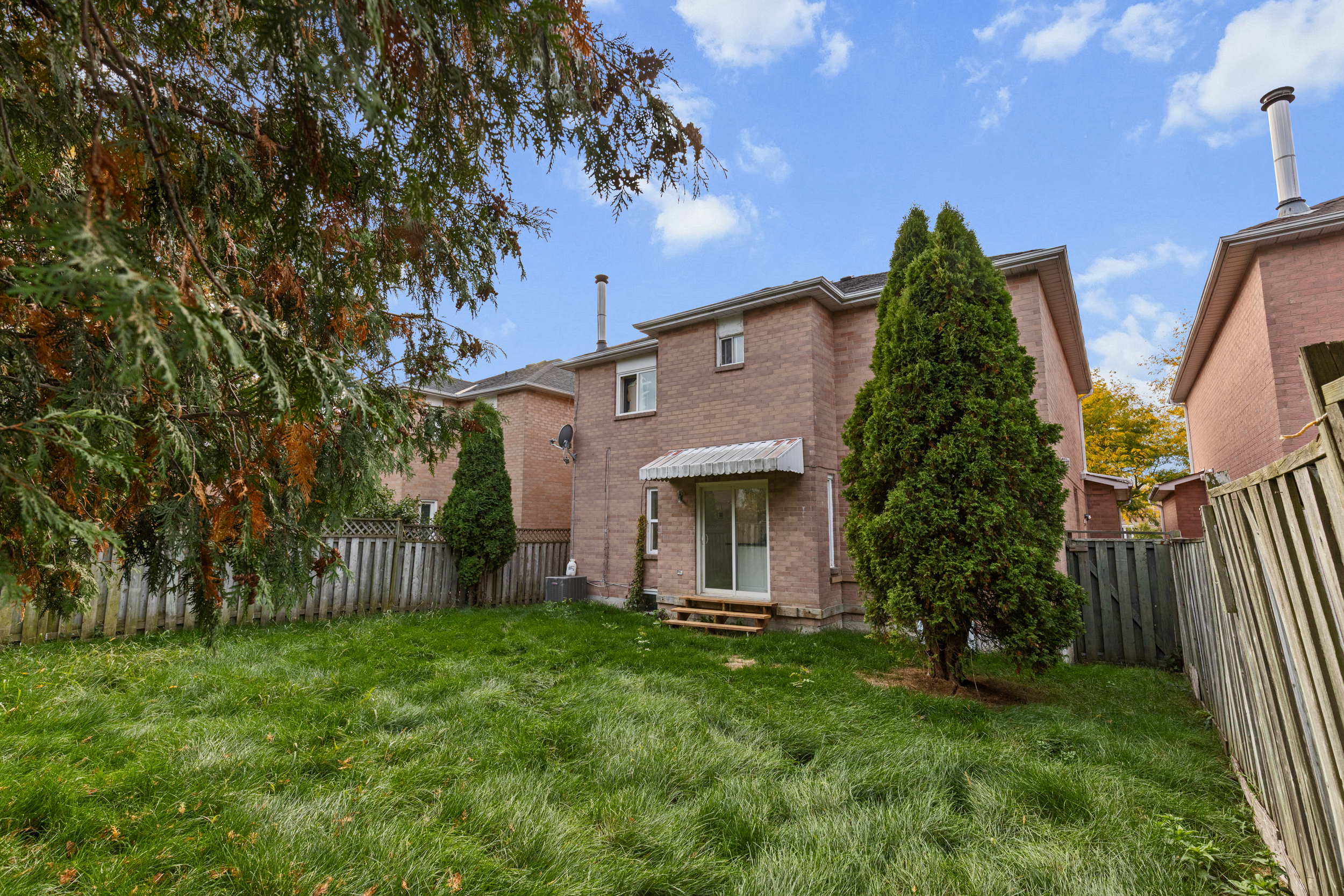
For years, the advice was simple: list for what your neighbour got, wait for bidding wars, hold firm. In 2021, the average sale price in Brampton jumped 32 percent in a single year. Agents would even tell you to wait a week, then expect an offer at or above list. That model is out of date. Now, listing at last year’s price or banking on spring rebounds can cost you months and tens of thousands in losses.
Here’s what sellers are living right now: weeks on market, heavy price reductions, then dealing with back-and-forth with buyers who know just how much leverage they have. In April, detached homes that averaged $1.36 million last year are now lucky to get showings above $1.2 million in much of the city. Even then, some buyers are skipping entirely, heading north to Georgetown or Orangeville, where carrying costs or property taxes are lower, and where the competition isn’t so fierce. Every month you stick with the old plan is another $5,000 to $20,000 lost, not on paper, but at the closing table.
Thinking about selling your home?
Get a free, no-pressure valuation from a GTA realtor who tracks this market every day.
Homeowners who delayed listing in January are watching comparable properties drop by more than 8 percent since the winter. The longer the lag, the harder it gets to match your original price hopes. That’s the cost of inaction. And as each seller faces those tough choices, more families wind up joining the migration, reshaping pricing beyond Brampton’s borders.
Where Are Brampton Families Going Next?
The facts are clear: the migration is real and the numbers make it obvious. Affordable listings in Orangeville have spiked by 23 percent compared to last year, with nearly one in every three new buyers coming from Peel Region, mostly Brampton. In Caledon, average detached prices are stabilising, but inventory is up 14 percent, meaning more choice for those who want to leave dense suburban streets behind. Milton is also seeing an uptick in first-time buyers who were squeezed out of the Brampton townhouse market as prices there softened faster than condo prices in the core.
This wave creates new local competition in what were once slow markets, and spreads pricing pressure throughout the rest of the region.
The New Reality: Brampton’s Ripple Hits the Entire GTA
Forget trying to “time” this market for a fast recovery. GTA housing cycles are like Canadian winters: there are predictable seasons, but you cannot rush the thaw. Right now, Brampton is setting the weather for the rest of Peel, Halton, and even Hamilton. Every family who sells at a discount becomes a new buyer in a former “safe haven” market. The reverse is true too, those who cannot sell become reluctant landlords, pushing up local rentals, or they pull their listings and try again next year.
This new reality puts stress on both ends of the buy/sell chain. Sellers in Brampton deal with high inventory, slow sales, and shrinking offers. Buyers in Caledon and Orangeville now find themselves in busy open houses that used to be empty. There is no hiding from these shifts, they change how quickly you can move and what budget actually works in each neighbourhood.
The common advice in real estate has always been patience and “waiting for your price.” But that ignores the interconnected pressure between cities. As Brampton sellers cut prices, those same households bring purchasing power and competition to their next destination, dragging the whole market with them. Miss the window, and both your selling price and options for buying next could shrink together: a double-loss few are ready for.
What’s Different This Cycle?
Unlike 2017’s correction, today’s market has more active listings and far fewer buyers coming in from outside Ontario. Mortgage rates still hover near 5.5 percent for fixed terms, and stress test rules mean fewer families can qualify for move-up homes. Prices are not rebounding on a whim, pressure flows from city to city. You are seeing this in the lower offers, longer listing periods, and the sudden rise in power-of-sale deals in western Peel, as covered here.
If you’re waiting for the old rules to come back, you could be locking yourself out of both sides of the market.
Outcomes on the Ground: Who Wins, Who Loses?
Here’s what this means day-to-day. If you act based on last year’s advice, you risk losing equity and waiting months just to move. If you watch how Brampton sellers adapt, you can see the window where families from one city use that sale to get better value in the next. This domino effect translates to:
- Lower average selling prices in Brampton, yes, but also smaller average sale gaps between Brampton and destinations like Caledon or Milton, so you can upsell and buy in a less crowded market.
- Higher average days on market for Brampton (over 29 days), but more multiple-offer situations emerging in places like Orangeville, so you can better time a bridge sale if you’re watching the flow.
- More aggressive property taxes in Brampton and Peel, as budget pressures build, as explained in detail here, so you can weigh the long-term monthly cost, not just the purchase price, when making your plans.
The upshot? The best outcome now means recognising that selling and buying are no longer city-specific steps. They are linked all across the GTA. Getting stuck with an old-school mindset can cost you real money and time. Watching the migration data, and catching the shift early, means you can plan for the full move, not just one side of it.
System: How GTA Sellers and Buyers Are Navigating This Shift
What separates those who get their next move right? The ones who:
- Watch listing and price trends in Brampton but also in Caledon, Mississauga, and Orangeville to spot migration flow.
- Compare not just sale prices, but also average days on market, new listings per week, and percentage of properties sold below list to see where the pressure is building or easing.
- Get firm on what a “successful” move actually means: are you willing to take a quick sale in Brampton to secure a competitive price in a less expensive GTA suburb?
- Use recent Brampton sales as a benchmark for your listing, but plan your next purchase before closing, not after. This minimises the window of risk where prices or competition might change under your feet.
- Consider carrying costs and local property taxes so you can weigh the all-in cost, not just home price, when looking outside Brampton.
If you want a year-by-year view of how these trends play out and what migration has looked like before, dive into why families are leaving Brampton and what that means for real buyers and sellers across Peel and Halton today.
You do not need to get every prediction right. But tracking where migrations start and where they land is the best way to see what your home is really worth, and what you can actually buy next.
What Now? Stay on Top of Brampton Housing Crisis Shifts
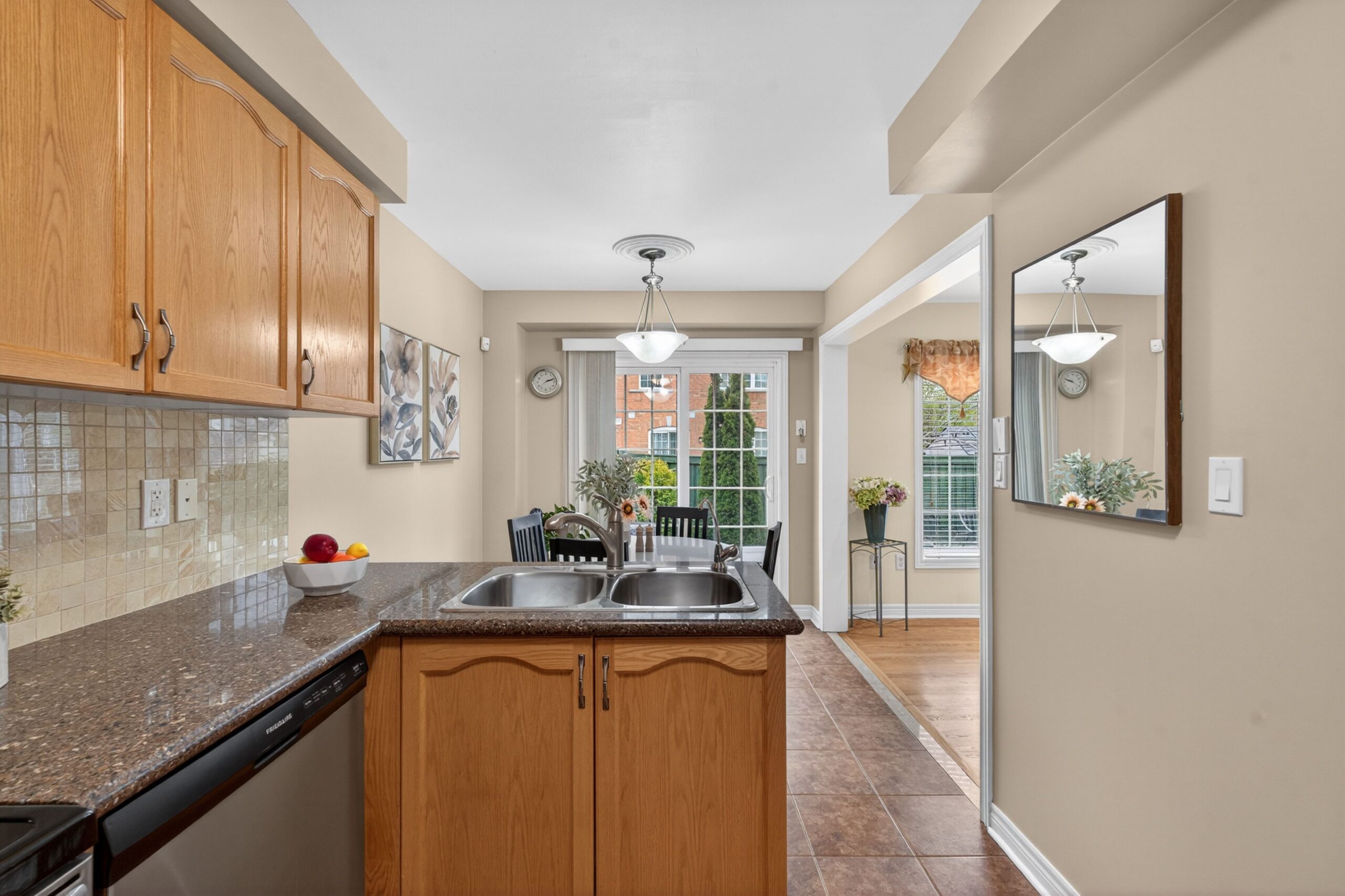
Brampton’s housing crisis will decide the pressure and pricing all across the GTA for the rest of this year. Following the trends in just your postal code leaves you in the dark. If you want a better shot at timing your move, get your home value and keep tabs on the migration waves as they hit Caledon, Orangeville, and beyond.
I cover Brampton and the full GTA real estate market as a local Realtor and market analyst. If you’re thinking about timing a move, check out my GTA real estate agent guide or send me a message. Want to talk strategy for your own address? Book a call and get a real plan for today’s GTA housing rollercoaster.

Sales Representative | Robbio Nicolle Real Estate Team at Real Broker Ontario
Halton Hills realtor covering Georgetown, Milton, Mississauga, and the wider GTA. Data-first, no hype. Featured on YouTube at The Market with Mats Moy with 500K+ views.