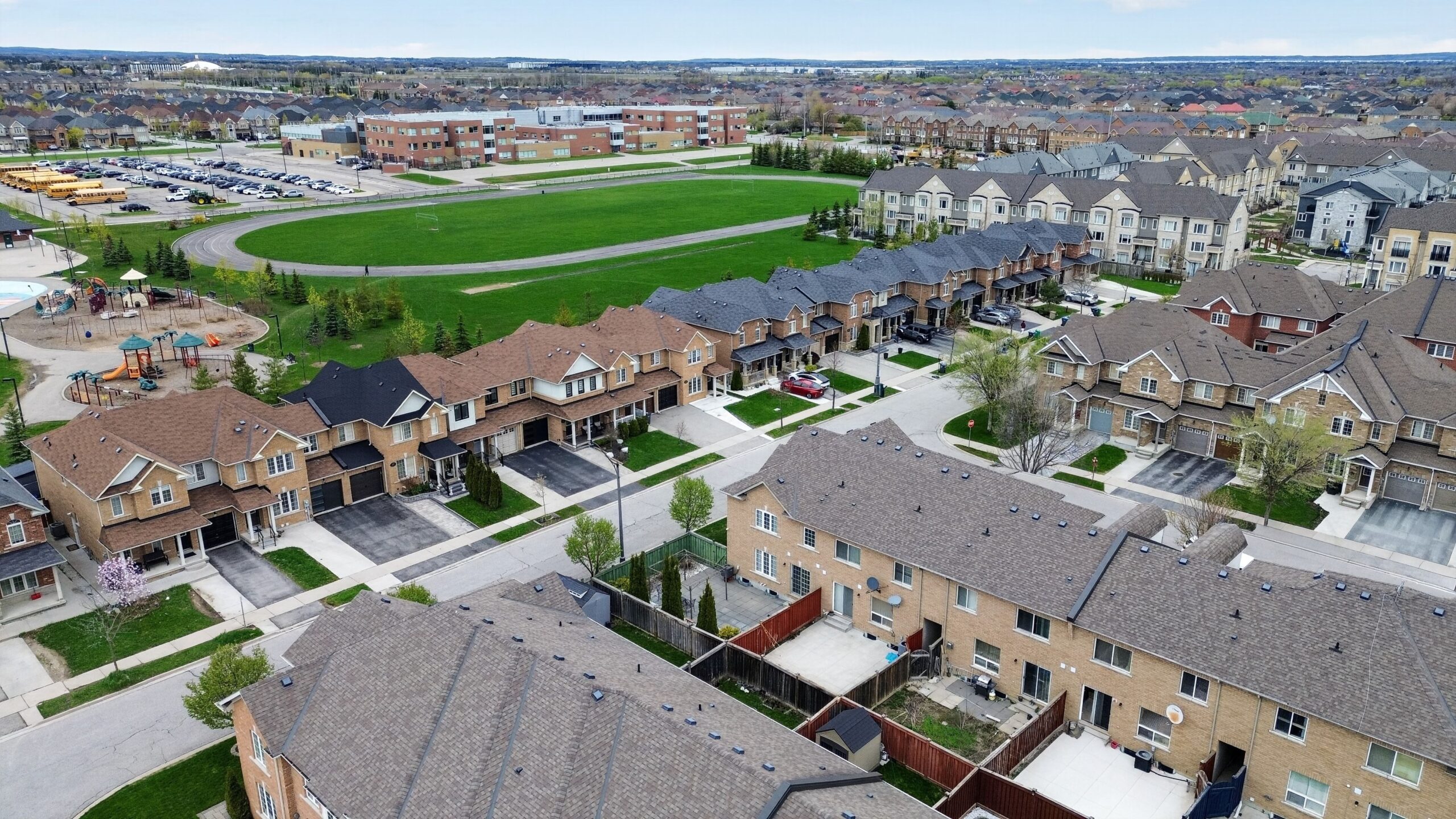
More homes sold in Brampton this March than last March. You might expect that to mean prices went up. They didn’t. Prices fell again. That disconnect between sales volume and price direction is the part that peak buyers really need to sit with, because it tells you something the headline numbers rarely say out loud.
What the March Numbers Actually Show
Sales activity in Brampton picked up year over year in March 2026. On the surface, more transactions sounds like demand returning. But the benchmark price for a detached home in Brampton has continued to slide from its 2022 peak. Homes that sold for $1.4 million or more at the top of the market are now trading significantly below that. Some sellers are walking away from deals having lost six figures in equity.
This is the part of a correction that feels confusing. Volume can recover before price does. Buyers come back into the market because affordability has improved on a monthly payment basis, especially after the Bank of Canada’s rate moves. But that increased buyer pool is still disciplined. They are not paying 2022 prices. They are paying 2026 prices.
If you bought in early 2022 in Brampton, you likely paid somewhere near the peak benchmark. Getting more buyers through the door does not automatically restore what you paid. Markets do not work that way. Water does not flow uphill just because more people are thirsty.
The Gap Between Sales and Price Recovery
In a healthy, balanced market, rising sales tend to push prices up over time. That logic holds when supply is tight. Right now, Brampton still has elevated inventory relative to buyer demand. Listings have been sitting longer. More sellers are cutting prices to get deals done rather than waiting it out.
According to data from TRREB, the months of inventory in Peel Region has been running well above the two to three months that typically signals a sellers’ market. When you have five or six months of inventory, buyers pick the best-priced home in the category they want. Everything else waits.
The sellers who accepted offers this March were the ones who priced to where the market actually is today, not where it was in 2022. That is a lesson that keeps costing the holdouts time and money. Every month a home sits unsold is a month of carrying costs: mortgage interest, property tax, maintenance. That adds up fast on a property valued at $900,000 or more.
For more on how sellers across the region are navigating that gap, this piece on GTA sellers accepting $177K below asking breaks down the numbers in detail.
Why Peak Buyers Are in a Harder Spot Than Most
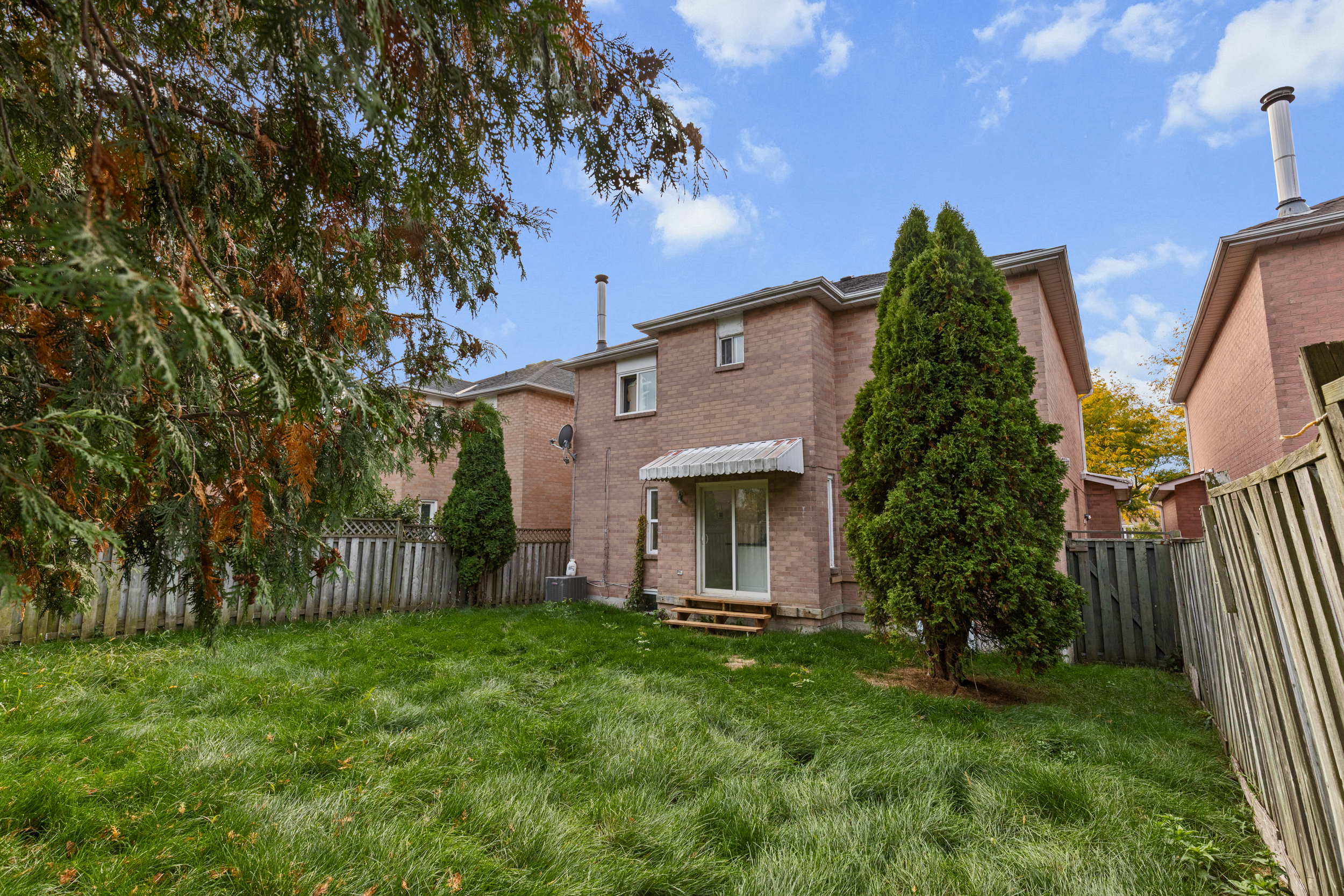
If you bought between January and March 2022, you were at or near the absolute top of the Brampton market. That was when bidding wars were routine, when homes were selling $200,000 or $300,000 over asking, and when nobody seemed to question whether the prices made sense. They didn’t. And the correction that followed has been slow, grinding, and uneven.
The problem for peak buyers is not just paper losses. It is the practical situation they face if life demands a move. A job change, a family change, a financial squeeze. If you need to sell a home you bought at $1.3 million and the current market is pricing it at $980,000, you are not just losing equity. You may owe more than the sale proceeds after realtor fees, land transfer costs, and mortgage penalty.
Thinking about selling your home?
Get a free, no-pressure valuation from a GTA realtor who tracks this market every day.
That is what negative or near-zero equity actually means on the ground. It is not an abstract number on a spreadsheet. It is the reason some Brampton homeowners are staying in situations they would otherwise leave, because selling right now would crystallise a loss they cannot absorb.
If that situation sounds familiar, the post on underwater mortgage options in the GTA is worth a read. It covers four realistic paths worth knowing about.
The Carrying Cost Clock Keeps Ticking
Here is the part people tend to underestimate. Waiting for the market to recover sounds logical. But waiting has a cost. At a mortgage balance of $850,000 and a rate of 5.5 percent, you are paying roughly $3,900 per month in interest alone. That is before property tax, which in Brampton rose by roughly 5.8 percent in 2026. That is before maintenance, insurance, or utilities.
If the market takes two to three years to return to your purchase price, and that is an optimistic scenario in the current environment, you have spent $90,000 to $140,000 in carrying costs waiting to break even. The math of waiting rarely looks as clean as people hope.
This is not meant to scare anyone. It is meant to give you the actual variables so you can make a real decision with real numbers, not just hope that spring 2027 fixes everything.
You can also use the mortgage calculator to run your own numbers and see exactly what your monthly interest cost is relative to any potential recovery timeline.
What This Means If You Are Thinking About Selling in Brampton
The March sales data does carry one piece of genuinely useful information: buyers are active. The market is not frozen. Homes are selling. The question is whether they are selling at a price that works for your specific situation.
The homes that moved this March shared a few common traits. They were priced at or slightly below recent comparable sales. They were in good condition without major deferred maintenance. And they were marketed to where the actual buyer pool sits today, not where it sat three years ago.
If you are a peak buyer who needs to sell in 2026, the decision starts with understanding what your home is actually worth in today’s market, not what Zillow or a neighbour says, but what comparable homes have sold for in the last 60 to 90 days in your specific neighbourhood in Brampton. That number might be uncomfortable. But knowing it is the only way to make a real plan.
You can get a current valuation of your home at matsmoy.com/home-evaluation.html, so you can go into any decision with actual data behind you rather than guesses.
For broader context on what has been happening in the Brampton market through this correction, the post on why Brampton sellers are struggling in 2026 covers the structural pressures in detail.
One More Thing Worth Knowing
The Brampton market is not monolithic. Detached homes in certain pockets of the city have held value better than others. Some product types, particularly well-maintained detached homes in established neighbourhoods priced under $950,000, are seeing more competitive interest than the market average would suggest. Townhouses and semis have faced steeper price pressure in percentage terms.
Location within the city matters. The street matters. The condition matters. So does the listing strategy. Broad market averages can hide meaningful variation at the property level. That variation is exactly why blanket statements about the market rarely help you make a specific decision about your specific home.
If you want to look at what is currently available in Brampton and how active listings are priced relative to recent sales, you can browse the Brampton real estate page for current context.
The Bottom Line on Brampton Right Now
Sales volume went up year over year in March. Prices are still down from peak. Both of those things are true at the same time. That combination is where Brampton sits right now, a market with buyers showing up but not enough of them, and not at peak prices, to rescue sellers who are priced in the wrong year.
If you bought at or near the 2022 peak, the honest picture is that recovery to your purchase price is not on the near-term horizon for most property types. The carrying cost of waiting is real. And the market rewards sellers who price correctly far more than it rewards sellers who wait for validation.
I cover the Brampton market and the broader GTA as a Realtor, and if you want to talk through your specific situation with someone who will give you the straight numbers, you can reach out here or book a 15-minute call to go through it together.

Sales Representative | Robbio Nicolle Real Estate Team at Real Broker Ontario
Halton Hills realtor covering Georgetown, Milton, Mississauga, and the wider GTA. Data-first, no hype. Featured on YouTube at The Market with Mats Moy with 500K+ views.