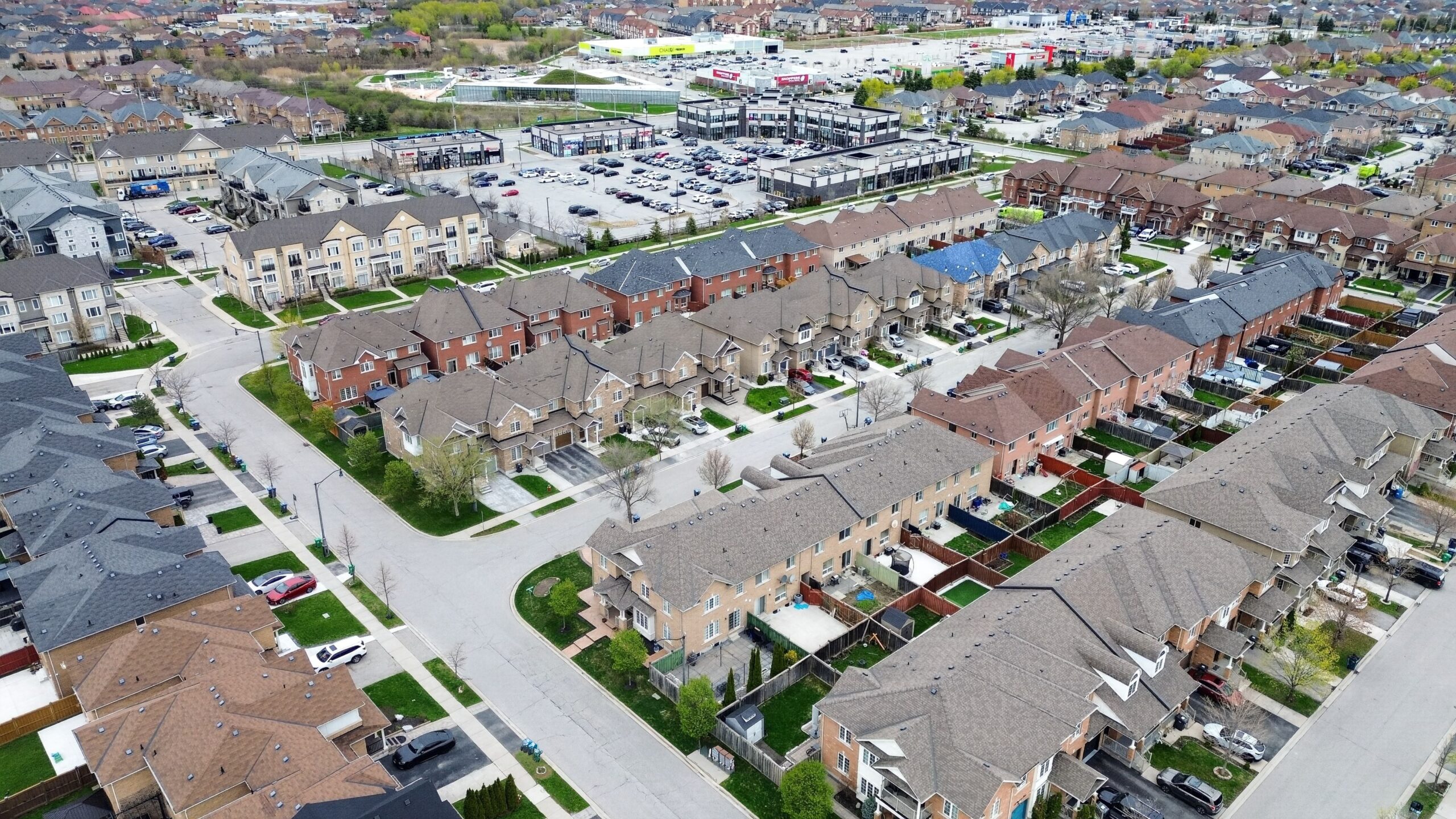
Nearly three out of every four GTA neighbourhoods sold below asking price in March 2026. Not a handful of outliers. Not just condos. Three quarters of the market. If you have been watching prices and wondering why things feel so different from two years ago, that single number explains most of it.
What the $177,000 Gap Actually Means
The average sale-to-list price ratio across the GTA in March 2026 sat well below 100 percent. In some neighbourhoods, sellers were accepting offers $177,000 under their asking price. That is not a rounding error. That is a full year of mortgage payments for many households, handed back to the buyer at the negotiating table.
To understand why this is happening, you have to look past the headline benchmark price and focus on one metric: days on market combined with the sale-to-list ratio. When a home sits for three or four weeks and then sells at a deep discount, it tells you the original price was wrong. Not slightly wrong. Wrong by a number that stings.
The GTA is not one market. It is dozens of micro-markets behaving differently at the same time. Detached homes in certain 905 suburbs are sitting longest. Condos in Toronto’s downtown core are still wrestling with oversupply. And freehold properties in higher-demand pockets are occasionally seeing competition. But the overall direction in March 2026 is clear: buyers have the leverage, and sellers who priced to 2023 expectations are paying for it.
The Neighbourhoods Selling Below Asking
When 73 percent of GTA neighbourhoods close below list price, that spread matters. It is not uniform. Some areas are seeing five to eight percent below asking. Others are closer to two percent. The $177,000 figure represents the sharper end of that range, where sellers either overpriced significantly or listed into a pocket of the market with thin demand.
Detached homes in Brampton and parts of the Vaughan corridor have been sitting longer than the GTA average. The same pattern showed up through much of early 2026, as covered in the Vaughan listings surge earlier this year. Inventory climbed. Buyers did not follow at the same pace. The math is simple: more supply meeting flat or declining demand pushes prices down.
For context, the Bank of Canada’s rate decisions have not delivered the demand shock many sellers were counting on. Even after several cuts, buyer confidence in the GTA has not snapped back the way 2017 or 2021 did. You can check the rate decision breakdown for GTA owners to see why the transmission from lower rates to higher sales has been slower than expected.
Why Sellers Keep Mispricing
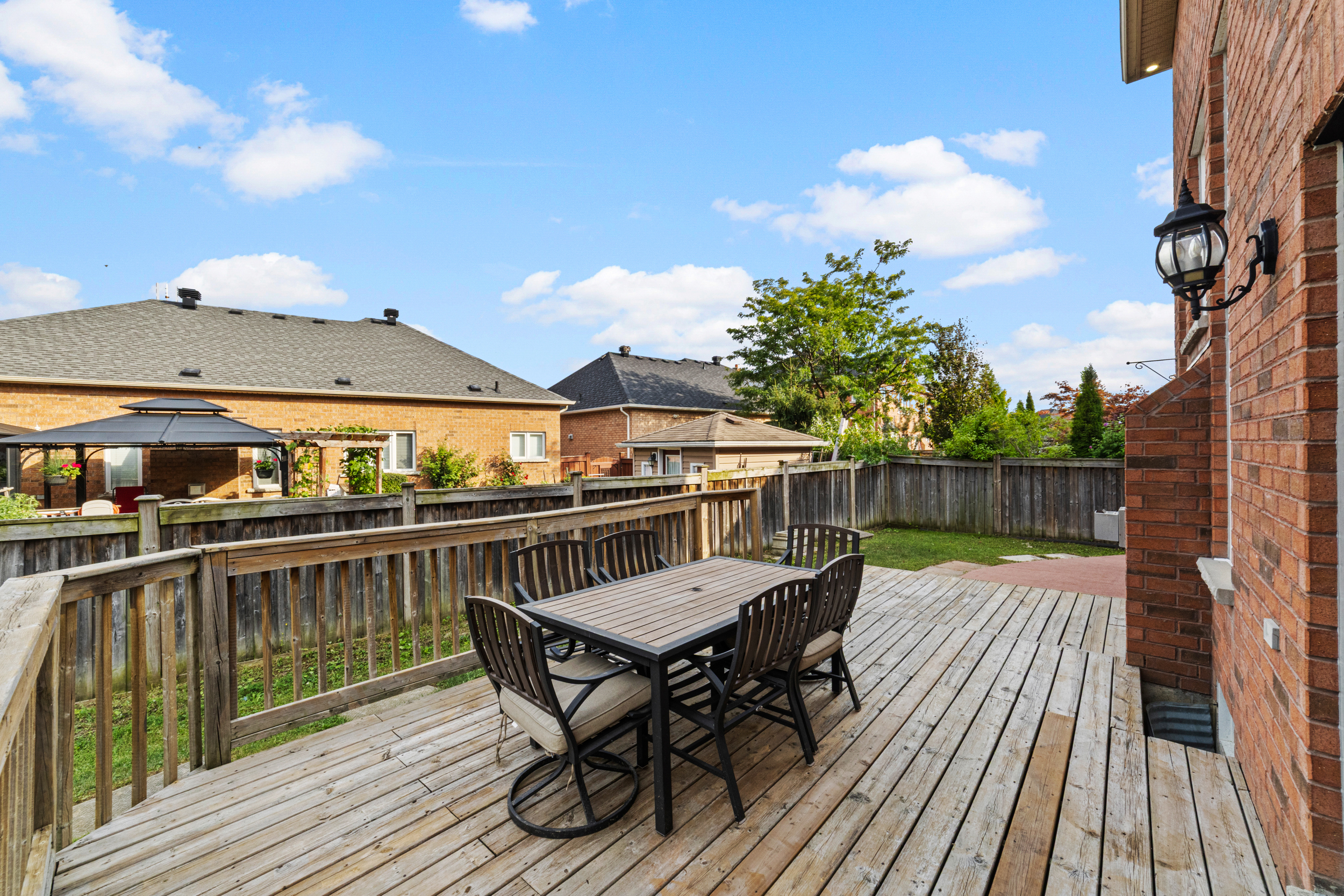
There is a pattern worth naming directly. A seller looks at what their neighbour got in 2022, or even what a nearby home sold for eight months ago, and they anchor to that number. Their agent, wanting the listing, does not push back hard enough. The home goes to market at a price that made sense in a different environment.
Three to four weeks later, with no offers or a single lowball, the price drops. Then it drops again. By the time a deal closes, the final number is $100,000 to $177,000 below where they started. If they had priced correctly on day one, they likely would have sold faster and potentially generated more interest, which protects the final price.
Thinking about selling your home?
Get a free, no-pressure valuation from a GTA realtor who tracks this market every day.
This is the cost of mispricing in a buyer’s market. You do not just leave money on the table through a lower sale price. You also absorb additional carrying costs, the stress of an extended listing period, and in some cases, the stigma that accumulates when a property sits. Buyers notice days on market. A home at 60 days on market triggers suspicion, even if nothing is wrong with it.
If you own a home in the GTA right now and are thinking about selling, a current home evaluation based on today’s comps is the starting point. Not what you think the home is worth. What the market is actually paying.
Put a Fence Around the Properties Holding Value
Not everything is soft. There is a clear pattern in what is holding its value versus what is not.
- Detached homes under $900,000 in commuter-friendly areas with good school ratings are still moving with less resistance.
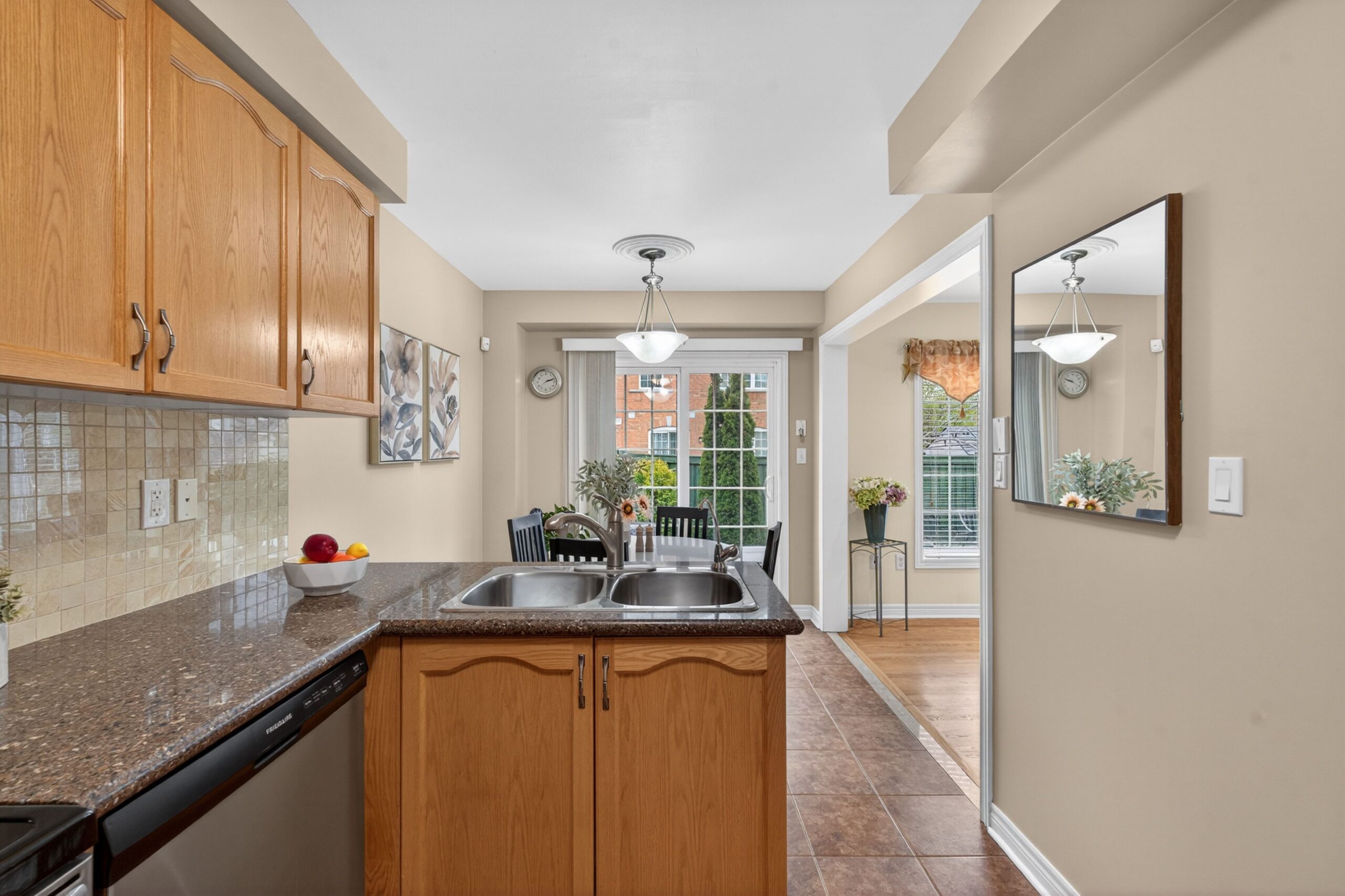
- Move-in-ready properties with updated kitchens and mechanicals are closing closer to list price than dated homes in the same neighbourhood.
- Condos near transit in the $550,000 to $700,000 range are seeing some activity, though the broader condo market is still under pressure, as documented in the Toronto condo seller reality piece from earlier this spring.
- Listings with under 21 days on market are closing at ratios meaningfully closer to ask than anything sitting past the 30-day mark.
Everything outside those conditions is where the $177,000 gaps are forming. Overbuilt condo towers. Large detached homes priced above $1.4 million in softer 905 pockets. Homes with deferred maintenance that buyers are discounting heavily because they have options.
What This Data Means If You Are Buying or Selling Right Now
If you are buying, this environment gives you something real. You can negotiate. You can use days on market as a signal. A home at 45 days with a price reduction has a seller who has already accepted that the original number was wrong. That is a different conversation than a fresh listing.
Use the mortgage calculator to map out what different price points actually cost you monthly. A $100,000 reduction in purchase price at current rates is worth roughly $450 to $550 per month depending on your amortisation period. That is real money, every month, for 25 years.
If you are selling, the data is uncomfortable but useful. Pricing at March 2022 values in March 2026 is not a negotiating strategy. It is an invitation to sit on the market, accumulate days, and eventually accept less than you would have gotten with a sharp price on day one. The sellers closing closest to their asking price right now are the ones who priced with current comps, not hope.
You can browse active listings to see where prices are actually landing in your target area. What things are listed at and what they sell for are two different numbers right now. That gap is the story.
The Broader Picture Heading Into Spring 2026
Spring typically brings more inventory and more buyers. But more inventory without a matching surge in demand just extends the buyer-friendly conditions already in place. The 73 percent below-asking figure for March is a base from which April and May will either improve or deteriorate depending on how many new listings hit the market versus how many qualified buyers step forward.
Tariff uncertainty and a cautious employment picture are keeping some buyers on the sideline. The tariff impact on GTA housing has added a layer of hesitation that is hard to quantify but visible in buyer behaviour. People do not make $800,000 decisions when they are unsure about their income six months from now.
For sellers, that hesitation means you are competing harder than you were. For buyers, it means you have time and options. Neither side should be acting on 2022 instincts in a 2026 market.
I cover the GTA market as a Realtor and report on what the data is actually showing, not what the narrative says it should be. If you want to talk through what this means for a specific property or area, reach out directly or book a 15-minute call and we can look at the numbers together.

Sales Representative | Robbio Nicolle Real Estate Team at Real Broker Ontario
Halton Hills realtor covering Georgetown, Milton, Mississauga, and the wider GTA. Data-first, no hype. Featured on YouTube at The Market with Mats Moy with 500K+ views.