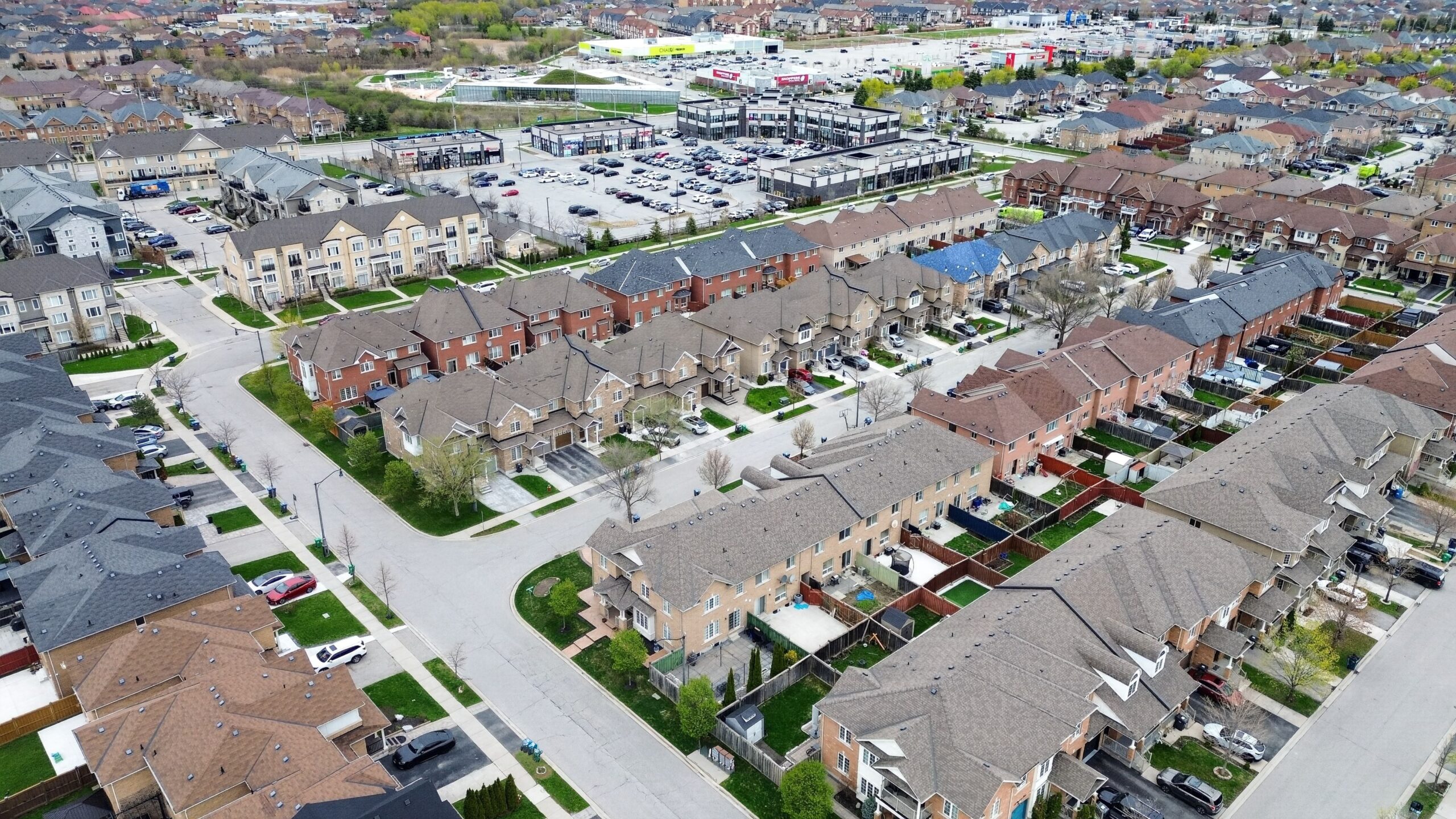
Hook formula used: Symptom-first. You pull up the latest Vaughan listings and spot the same thing every few days, more for sale signs, price drops, and houses sitting. The vaughan real estate market isn’t moving how most owners expect, and it’s forcing a reality check for sellers across the city.
What’s Changed in Vaughan’s Real Estate Market?
This year started with a steady build-up of homes hitting the market in Vaughan. By January 2024, the number of freehold listings had climbed to 506, up sharply from December’s 280 and a healthy jump compared to January 2023. At the same time, buyers aren’t keeping pace, sales slid to just 88, also down compared to a year ago.
Sellers see more homes for sale with fewer signs coming down. That’s not just a spring thing. The sales-to-new-listings ratio, which analysts use to spot shifts, is hovering just above 50% in Vaughan. That’s a big drop from the 88% ratio you’d see in a heated seller’s market like January 2022. Some areas, like Vellore Village, show even more homes winding up on the market week after week.
Most sellers feel the impact quickly. A typical freehold home spent 25 days on market this January, four more days than last year. This build-up means buyers can pick and choose, and most are skipping over homes priced for 2022, not 2024.
But this isn’t just about watching numbers. What happens next when the old pricing playbook stops working?
Why the Old Selling Advice is Backfiring Now
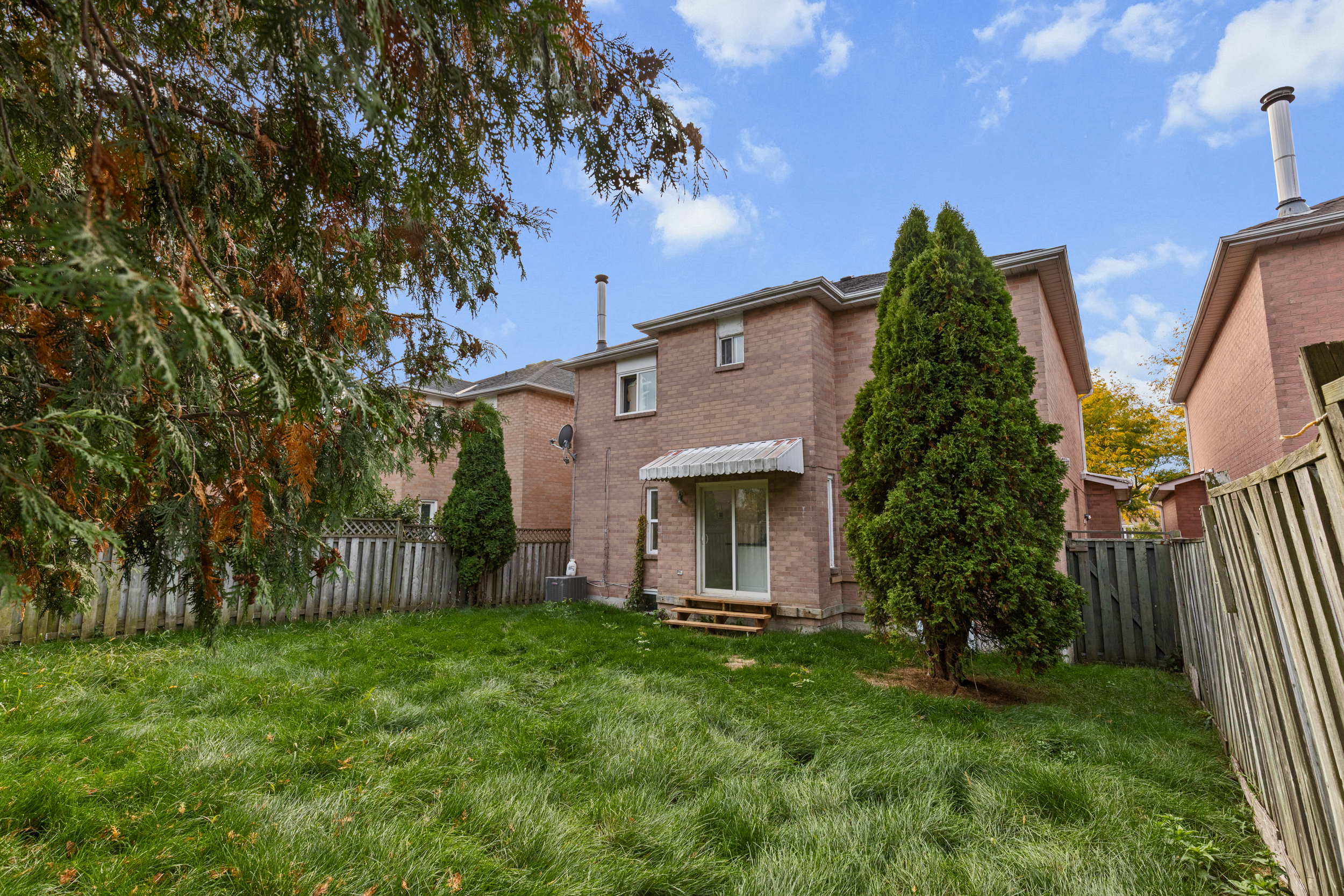
The go-to advice used to be price high and negotiate. Ask for 10% over what sold last month, and expect buyers to meet you in the middle. In early 2022, that could work. In 2024, it means your house might sit, with viewers but no offers, week after week.
Buyers in Vaughan are not in a rush. They have more choice now than any winter since the last major slowdown, and interest rate hikes over 2023 have made them cautious. Many are pre-approved for less than they could have afforded last spring. The market is shifting under sellers’ feet, and the usual advice, wait for the right offer, costs real time and money. Each week on the market means more carrying costs and even possible price reductions if a home sits too long. For a freehold valued around $1.35 million, just a month of extra holding costs or missing a price window can add up to thousands lost or left unrealised.
Thinking about selling your home?
Get a free, no-pressure valuation from a GTA realtor who tracks this market every day.
Across the GTA, especially in neighbouring cities like Brampton and Mississauga, the same pattern shows up: more listings, longer days on market, and growing price gaps between what sellers want and what buyers will pay. Freehold price drops across the GTA underline that Vaughan isn’t an outlier, it’s part of a bigger trend.
But knowing what doesn’t work is only half the story. There’s a shift in buyer psychology that sellers haven’t adjusted to yet. So how are some listings still moving?
The New Playbook: Clear Pricing, Real Timing
The sellers finding success in the current Vaughan real estate market are looking at what sold, not what’s listed. They’re pricing close to the last three comparable sales, not the highest listing on the street. Fast action matters. If there’s no strong interest or offers after two weeks, they adjust, instead of waiting a month and hoping the right buyer shows up.
Winter isn’t a guarantee for slow action either. In 2024, only the most well-priced and well-presented homes are selling quickly. Listings that price for last year or expect pre-rate hike offers are the ones building up on the market. It’s a cycle, more listings, fewer buyers per home, and longer sale times for anyone caught out of step.
Putting a fence around the old advice: You’ll hear that every home sells “for the right price.” But timing and accuracy are what matter most now. Pricing with hope or waiting out the market is costing actual dollars every month.
The benefit? Sellers who face reality upfront cut their days on market and get closer to the sale price they want, so you can avoid months of uncertainty and fewer price reductions down the line.
How does this approach play out in the real market? Let’s break it down step by step.
How to Read the Vaughan Real Estate Market Right Now
- Watch Active Listings Weekly: Look up how many freeholds are actually available in your neighbourhood, not just your street. Numbers like the current 506 can shift fast before the spring surge.
- Use Real Sales, Not Asking Prices: Pull the last three comparable sales for your area. This sets the floor, not the ceiling, for what buyers will pay in February and March 2024.
- React Sooner, Not Later: See if the first two weeks bring real interest or offers. If showings stall or feedback is soft, adjust your price now. Every week delayed is money lost and puts your home lower on buyers’ search lists.
- Factor Real Carrying Costs: Add up your mortgage, tax, and insurance for each month your home stays on market. With a $1.35 million listing, delays easily rack up over $4,000 monthly, invisible money lost by waiting for the perfect buyer.
- Lose the 2022 Mindset: If your pricing plan fits last January, the market will pass you by. Buyers have reset their expectations, and so should your selling strategy.
For those eyeing nearby markets, you’ll spot similar patterns. January’s numbers in Brampton and Mississauga show similar jumps in inventory and slower sales. For more detail, check the post on why Brampton sellers are struggling in 2026.
So what does this mean for your next move in Vaughan?
What Comes Next for Vaughan Sellers and Buyers?
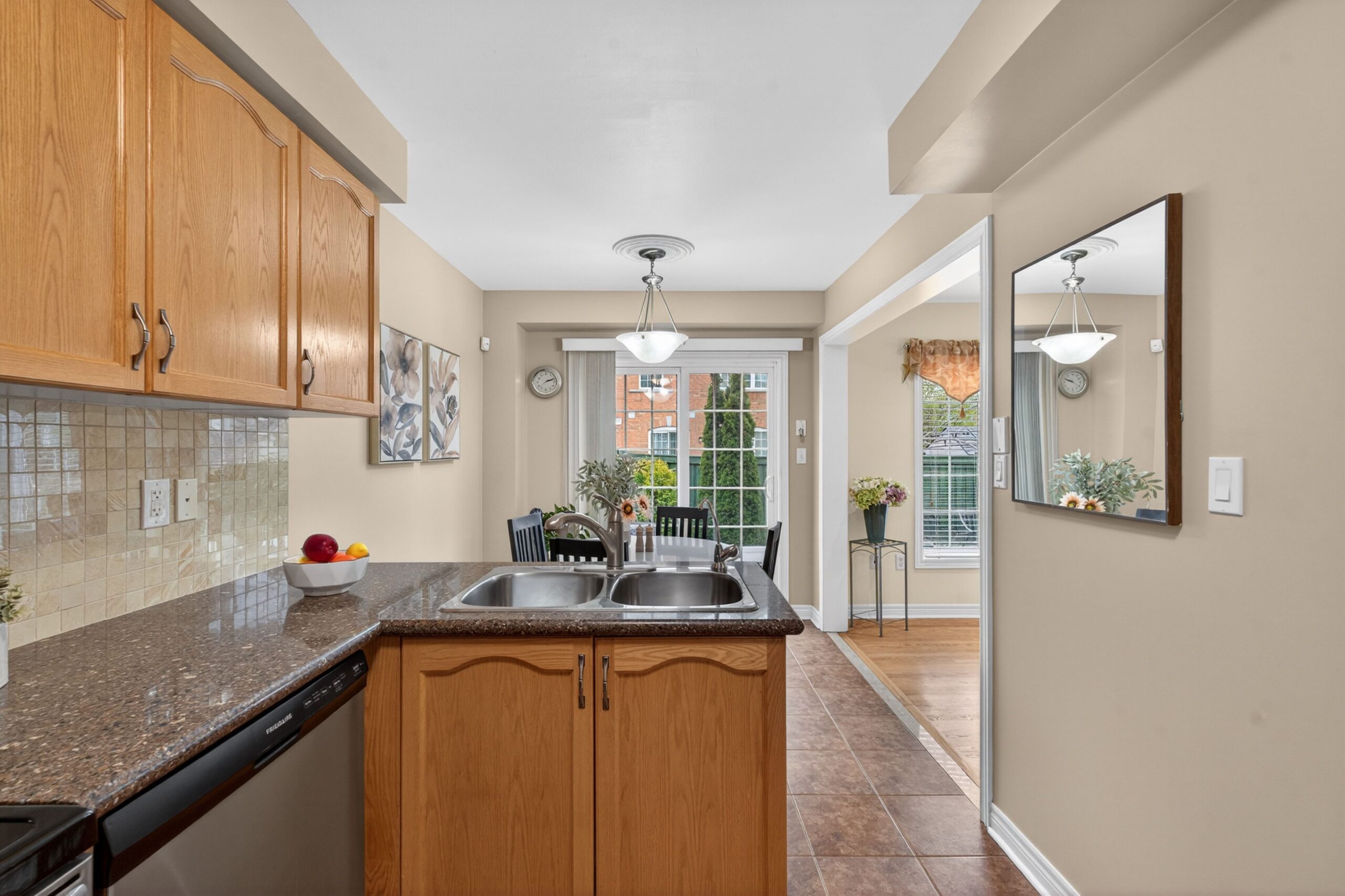
If this trend holds through the spring, expect even more listings and a market tilted in buyers’ favour for the first time in years. Sellers who miss the mark early will watch their listings age, risk bigger price cuts, or face months before a sale closes.
The cost of waiting is real: For a home stuck on the market 30 days past the prime sale window, carrying costs alone can eat up over $4,000. Miss that window by a full quarter, and you’re potentially looking at a five-digit loss between price reductions and extra expenses.
Buyers are patient, cautious, and mostly willing to wait until prices make sense for today’s rates and budgets. That sets up a new rhythm for 2024, steady listings, picky buyers, and sellers needing to react fast or risk being left behind.
I cover trends in the Vaughan real estate market and across the GTA as a Realtor. If you want the data for your specific neighbourhood or a clear read on what your home might fetch this year, see the latest Vaughan real estate guide or get in touch for a deep dive into your local numbers. For a direct strategy session, book a call and get a no-spin look at your options before the spring market heats up.

Sales Representative | Robbio Nicolle Real Estate Team at Real Broker Ontario
Halton Hills realtor covering Georgetown, Milton, Mississauga, and the wider GTA. Data-first, no hype. Featured on YouTube at The Market with Mats Moy with 500K+ views.