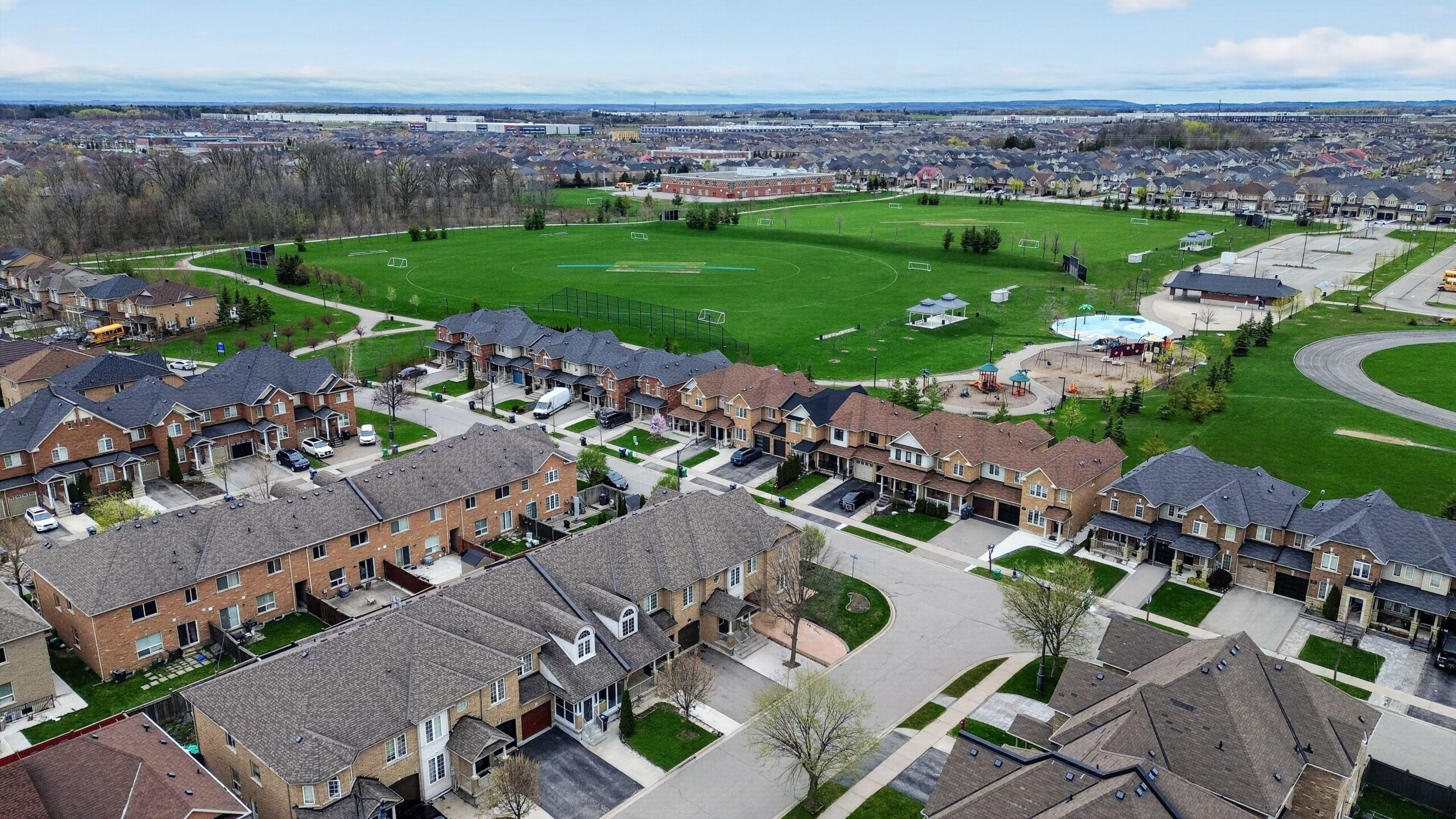
When you think about buying a home in the GTA, it’s easy to assume any suburb will reward you in the long run. But heading into 2026, that’s not always the case. Some GTA suburbs are showing real signs of risk and might cost buyers more than they expect. If you’re searching for GTA suburbs to avoid in 2026, here’s a clear breakdown of what the numbers reveal, so you can protect your investment and avoid costly surprises.
Market Conditions in the GTA: Why the Risks Are Real in 2026
Across the GTA, real estate headlines talk about “recovery” or “reset,” but those broad labels hide the real story. Data from Royal LePage and Remax both point to average GTA home prices dropping by 3.5%, 4.5% in 2026. While national numbers look softer, GTA buyers face unique headwinds: higher inventory, shaky confidence, and more listings stacking up month after month.
As we close out 2025, the Toronto Regional Real Estate Board data shows home sales at multi-month lows, yet fresh listings keep coming. Buyers have more choice, but there’s less urgency to act. This dynamic is even more pronounced in certain suburbs and high-density markets. The patterns are clear when you dig into months of inventory, a key gauge of how easily homes are selling, or not.
Some pockets in the GTA, especially condos, show high vacancy rates and rent softness. New supply is finally catching up with demand in urban markets like North York and Mississauga, resulting in a more competitive, and often declining, landscape for sellers and investors.
3 GTA Suburbs You Should Approach with Caution in 2026
Let’s break down three specific areas where buying in 2026 carries above-average risk. These recommendations are driven by data, not by anecdote, months of inventory, pricing trends, and what’s happening in the rental market all matter. Here’s what you need to know before buying in Mississauga, Vaughan, or North York.
Mississauga: Inventory Builds and Prices Slip
Mississauga is often a go-to for those wanting more space close to Toronto. But the numbers are showing caution lights. As of late 2025, Mississauga sits with roughly 4.5 months of inventory. That’s not just a balanced market, that’s buyers’ market territory. Active listings in October 2025 were over 50% above the five-year average for the month, and average sale prices have been slipping compared to last year.
Thinking about selling your home?
Get a free, no-pressure valuation from a GTA realtor who tracks this market every day.
The condo sector, especially around Square One and along the Hurontario LRT, is where the pressure is building. High-rise supply is coming online, investors who bought at peak pricing are struggling to make the math work, and developers still need to clear unsold units, leading to more inventory. This competition pushes prices down and increases risk, especially for new buyers hoping to see appreciation soon after closing.
If you love Mississauga, be extra selective. Focus on micro-locations, and be highly disciplined on your offer price. For more on the current risks in this market, see Mississauga Condo Market 2025: Why Prices Have Dropped This Much.
Vaughan: Pandemic Boom, Now an Inventory Hangover
Vaughan was a pandemic winner, many moved from Toronto, seeking more space and larger homes. But that boom has faded, and the stats now tell a story of oversupply. By mid-2025, Vaughan had over 780 new listings in a single month and nearly 7 months of inventory, far past the point of balance. Houses are sitting longer, and negotiations are tougher on sellers. Month-to-month prices have started to flatten, or even slip, in some neighbourhoods as buyers avoid stretching for expensive homes.
The biggest risk in Vaughan is concentrated around two types of property: large detached homes (which are expensive to carry in a high-rate environment) and pre-construction condos around the Vaughan Metropolitan Centre. Developers are adding incentives to move unsold units, making it even harder for resales to stand out. Assignment sellers and landlords with vacant rentals add even more downward pressure on values and rents. If you’re set on Vaughan, monitor months of inventory and developer incentives side by side. Be ready to walk if the numbers don’t offer a margin of safety.
North York Condo Corridors: Oversupply and Weak Rents
Many buyers view North York as a safe extension of downtown Toronto, especially the busy condo corridors near Yonge & Sheppard, Don Mills, and York University. But oversupply is the core problem here: a record number of new or just-finished condo units, while the rental market is cooling. Recent stats show North Toronto vacancy rates moving from about 2% to 3.3% in a year, a significant jump.
Many condos are investor-owned. As rents stagnate or drop, cash flow gets squeezed. When investors can’t lease units at past rates, more listings hit the market, putting further pressure on prices. Pre-construction sales have slowed, delays and cancellations are common, and new projects are set to complete into a saturated landscape. Prices don’t fall equally, but the oldest units in dated buildings usually see the deepest cuts first.
If you’re committed to buying a condo in North York, be scrupulous in your due diligence. Check how many active listings exist in specific buildings and stress test your finances for lower rents. If you want more context on current condo headwinds in Toronto, this article is helpful: Toronto Condo Market Correction: What Buyers Should Know Now.
How to Evaluate GTA Suburbs in 2026: Your Data-Driven Checklist
Not every risk is visible from the headline stats, and very few buyers know how to read months of inventory properly. Here are a few key steps you should take before committing to any GTA market in 2026:
- Review months of inventory: A rising supply with steady or falling sales is almost always a sign of pressure ahead.
- Compare new listings to sales: When new listings consistently outpace sales, prices usually weaken.
- Check the rental market: Rising vacancy and flat rents can point to investor stress and more resale pressure, especially in condo-heavy nodes.
- Focus on micro-neighbourhoods, not city averages: Within a broad area like Mississauga or Vaughan, some pockets are healthier than others.
- Stress test your plan: Make sure your finances work if values don’t bounce back quickly; avoid strategies that rely on instant appreciation.
If you need a walkthrough of the exact numbers for the area you’re considering, it’s smart to work with someone who studies this data every month. If you want help, you can book a call and we’ll map out your risk, whether you’re buying, selling, or investing in the GTA.
Q&A: Common GTA Market Questions for 2026 Buyers
Is any suburb a “safe bet” for buyers in 2026?
No area is completely risk-free. Even popular areas like Mississauga or North York can face years of weak price growth or even declines if inventory stays high and demand is fragile. Always review the real-time data for the specific neighbourhood and property type you’re targeting.
What warning signs should buyers look for?
Red flags include months of inventory well above the three to four month range, rapid spikes in active listings, a stagnant or sliding average sale price, and soft rental markets with rising vacancies. Don’t assume the broader GTA story applies to every suburb or building.
How important are interest rates and the wider economy?
They matter. A surprise rate hike or job losses could make things worse, while stable rates and steady population growth can help absorb extra inventory. Be cautious with any plan that depends on rates dropping quickly or strong job growth. It’s better to buy based on today’s reality than wishful thinking.
Key Takeaways and Next Steps for GTA Buyers
Mississauga, Vaughan, and North York’s condo corridors stand out as the GTA suburbs to avoid in 2026, or at least approach with extra caution. Each has high supply, pressured prices, or soft demand compared to the GTA average. There are still parts of the GTA with stronger fundamentals, but you need to dig deeper than city-wide stats.
Ready to get a clearer picture of your risk or opportunity? As a local GTA real estate agent, I help buyers and sellers make decisions anchored in data, not headlines. Explore your options with a GTA real estate agent or book a strategy call to see where the best opportunities, and pitfalls, lie this year.
Want this on your specific block
If you want to know what this means for your home or your search, send me a note. You can book a fifteen minute call, or run a free home valuation and I will send the recent comps for your street. I cover the Toronto market every week, so I can tell you what the data is doing in your neighbourhood before you make a move.

Sales Representative | Robbio Nicolle Real Estate Team at Real Broker Ontario
Halton Hills realtor covering Georgetown, Milton, Mississauga, and the wider GTA. Data-first, no hype. Featured on YouTube at The Market with Mats Moy with 500K+ views.