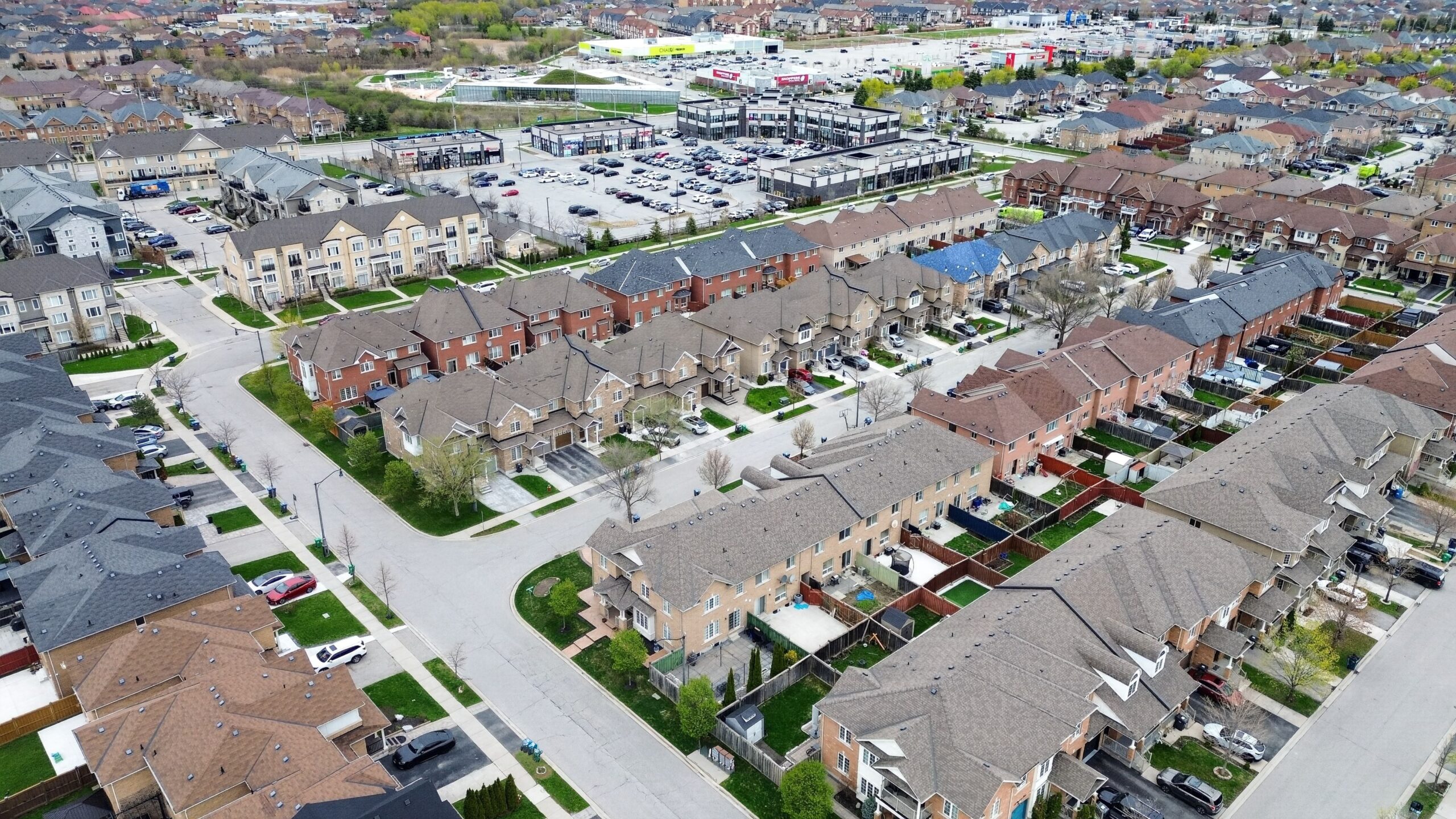
If you’re considering moving to Milton Ontario, you’ve likely heard the buzz, rapid growth, new homes everywhere, and the promise of more jobs coming soon. But what does living in Milton actually feel like, and is the move right for you? In this guide, I’ll take you through how Milton is changing, who it appeals to, the biggest trade-offs, and what you need to look for before making a decision.
Why Is Milton Ontario Growing So Quickly?
Milton has transformed from a quiet town on the edge of the GTA to one of the fastest-growing communities in Ontario. This is not just random sprawl, there’s a coordinated plan behind it. The town is expecting to add around 19,000 new jobs and welcome about 32,000 new residents over the next couple of decades.
This growth is tied closely to location and employment. Milton sits right along the 401 and 407, offering easy access for commuters and businesses alike. There’s a strong base in manufacturing, especially automotive parts, along with rapidly growing logistics, warehousing, and office jobs. The town is actively developing major employment areas, including the Trafalgar Corridor and the Derry Green Business Park, aiming for steady job creation ranging from skilled trades to administrative and tech roles.
A planned GO station is also in the works, making future commutes into Toronto and the rest of the GTA even more manageable. If you’re balancing job opportunities in the GTA with the need for space and affordability, Milton can offer a real alternative to Toronto or Mississauga.
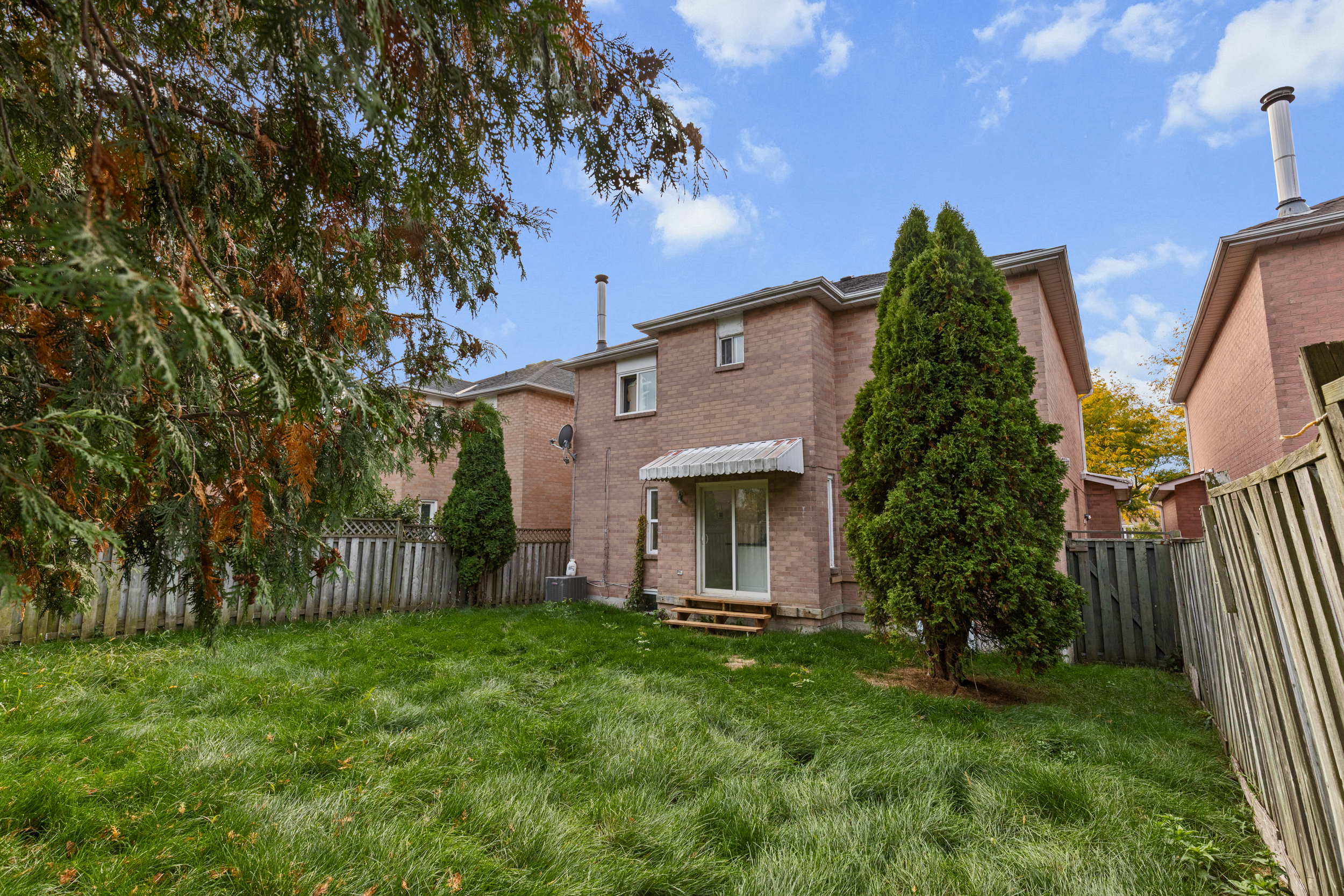
Where Are People Moving Inside Milton?
With new residents arriving, different neighbourhoods in Milton attract different types of buyers. Here are some of the areas you’ll hear about most often:
- Bronte Meadows: An established area with both detached and townhomes, central to parks and schools, and quickly becoming popular with young families.
- Dempsey: One of the newer neighbourhoods (early 2000s builds), Dempsey appeals to commuters thanks to its proximity to the 401 and Milton GO station. It’s also close to the public library and arts centre.
- Coates: Known for larger homes, good schools, and a family-friendly feel, think quiet streets, parks, and neighbours who say hello.
Beyond these established neighbourhoods, the real headline is new construction. You can hardly drive through Milton without seeing cranes and new homes popping up. Developments like Hawthorne East Village offer modern town and detached homes, many with energy-efficient features. These planned communities are designed to include trails, parks, and schools from the outset, so you’re not just buying a home, you’re buying into a neighbourhood plan.
Thinking about selling your home?
Get a free, no-pressure valuation from a GTA realtor who tracks this market every day.
The downtown core is also maturing, not just expanding outward. New condo projects like Connect Condos offer a more urban, walkable option but keep access to green space nearby.
If you’re looking for more insight into the housing trends here, my Milton Ontario Real Estate: 4-Year Sales High But Prices Slide breakdown explains current pricing and sales in detail.
What Is Day-to-Day Life in Milton Ontario?
Milton puts a lot of effort into community amenities. The Sherwood Community Centre stands out, with pools, arenas, fitness studios, and a branch library, all in one spot. It’s ideal if you have kids or enjoy an active lifestyle.
Lovers of the outdoors are right by the Niagara Escarpment, with places like Rattlesnake Point for hiking and Glen Eden for skiing and snowboarding. Compared to condo living in Toronto, it’s a big change, nature is right on your doorstep.
The town’s downtown core is becoming more walkable and community-focused, with farmers markets and events that encourage people to connect. There are also cultural highlights like the FirstOntario Arts Centre, which brings in performances you wouldn’t always expect in a smaller city.
Day-to-day, Milton feels very family-oriented and community-minded. For many moving from bigger cities, this tight-knit vibe is a welcome change.
Key Trade-Offs of Moving to Milton Ontario
No community is perfect, and Milton’s rapid growth brings some growing pains. Here’s what to consider:
- Traffic: Main roads can become congested at peak times, with construction and lane closures common as the town keeps up with demand. If you’re commuting toward Toronto, you’ll need to factor in ongoing rehab work on routes like the QEW and Burlington Skyway, which can add to your travel time.
- Cost of Living: While more affordable than central Toronto, Milton’s price advantage isn’t as wide as many expect. Home values have risen, and competition for sought-after areas can be intense. If you assume everything will be “cheap,” you may be surprised.
- Constant Construction: New builds, roads, and amenities mean ongoing noise and development. Before buying in a new subdivision, check out the full site plan and nearby land, some areas could remain construction zones for years.
The good news: Milton is planning for long-term solutions. Initiatives like the transportation master plan and expanded public transit options, including more federal funding, aim to improve everyday life. These investments won’t solve problems overnight, but they show the town isn’t just reacting to growth, it’s planning for it.
Q&A: Living and Buying in Milton Ontario
Is moving to Milton Ontario a good idea for families?
If you value strong job prospects, good schools, and a community investing in its future, Milton is worth serious consideration. The range of lifestyle options, from established neighbourhoods to new builds and condos, means you can usually find a fit for your needs.
What should I watch out for when buying a newly built home in Milton?
Always check the site plan and be realistic about construction timelines. Dates can shift, and you don’t want to be caught between closing on a sale or ending a lease before your new place is truly ready. Build in some flexibility and ask about future phases or planned infrastructure nearby.
How does Milton compare to other GTA options?
Milton offers more space and newer homes than central Toronto, but it’s more developed than places even further out. If you want to compare a range of up-and-coming areas, my GTA Suburbs to Watch 2026: 5 Growth Hotspots for Buyers post is a useful resource.
The Bottom Line on Moving to Milton Ontario
Milton is growing fast, and there’s a lot to like, steady job growth, serious investment in infrastructure, and neighbourhoods built for families, not just commuters. But it’s important to go in with clear eyes. Expect construction, some frustration with traffic, and a housing market that’s more competitive than it looks from the outside.
If you’re thinking about buying in Milton or wondering if it’s a fit for your lifestyle and budget compared to other GTA towns, having a plan is key. As a local real estate agent working in Milton and across the GTA, I work with families and individuals at every stage of their move, from first questions to closing day.
If you want a clear, no-pressure conversation about your next step, book a call or check out my Milton real estate guide for the latest listings and neighbourhood info. Before you make the drive or book a showing, make sure you know what living in Milton Ontario is really like.
Want this on your specific block
If you want to know what this means for your home or your search, send me a note. You can book a fifteen minute call, or run a free home valuation and I will send the recent comps for your street. I cover the Milton market every week, so I can tell you what the data is doing in your neighbourhood before you make a move.

Sales Representative | Robbio Nicolle Real Estate Team at Real Broker Ontario
Halton Hills realtor covering Georgetown, Milton, Mississauga, and the wider GTA. Data-first, no hype. Featured on YouTube at The Market with Mats Moy with 500K+ views.