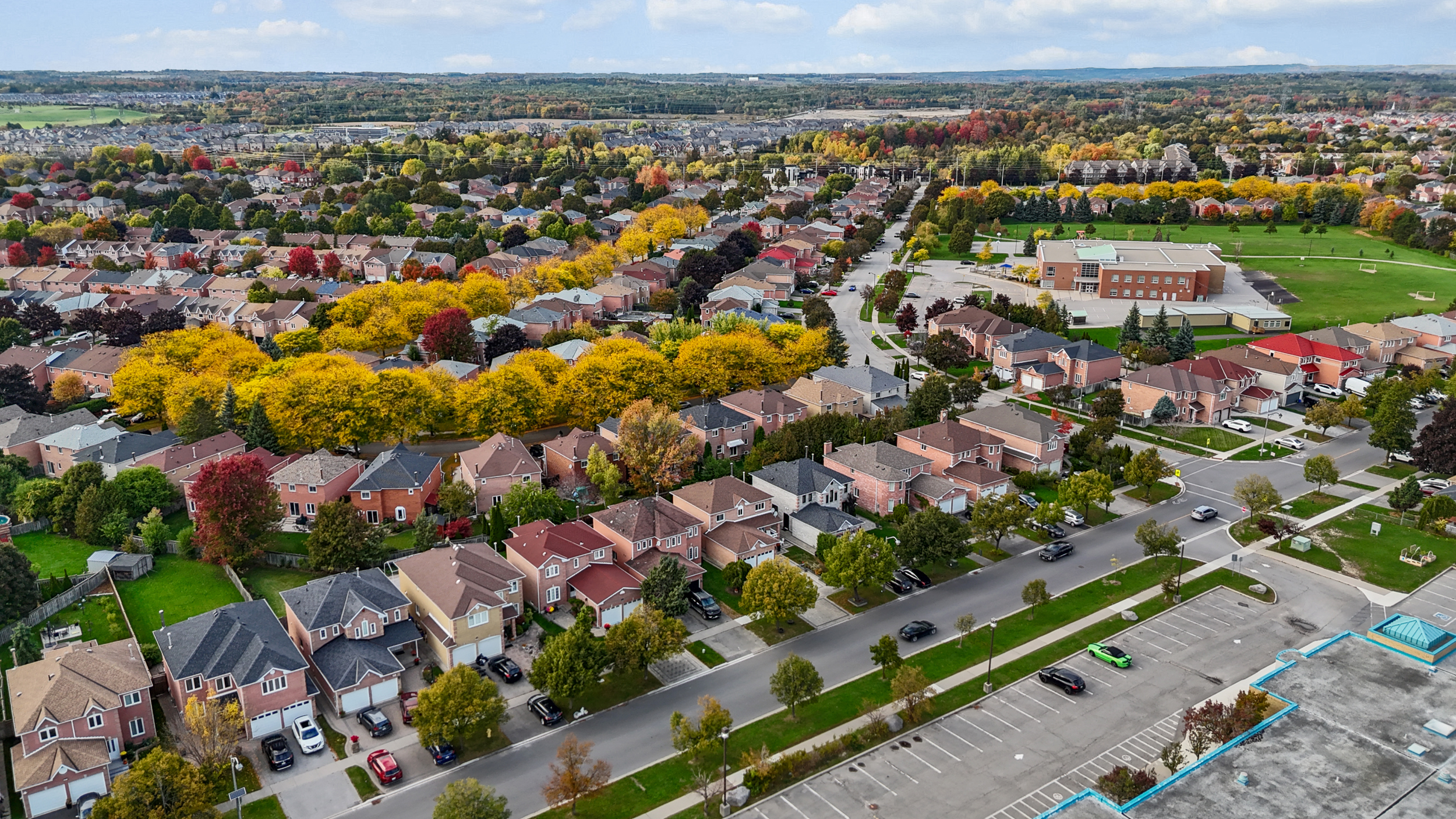
The Oakville real estate exodus is underway, even if headline numbers don’t make it obvious. On paper, Oakville remains one of the GTA’s strongest markets. But under the surface, more families are quietly planning to leave. Let’s look at what’s driving this trend, where people are moving, and how to decide your next step, whether that’s staying put, moving within Oakville, or heading somewhere else.
Oakville Real Estate: What the Numbers Really Show
At first glance, Oakville seems steady. The latest numbers from Zolo put the average Oakville home price at about $1.34 million, with roughly 230 new listings in the past month and a median time on market of 42 days. Prices are high, homes still sell, but it’s a bit slower than peak years.
Population growth in Oakville remains strong too. The city grew by over 10% between 2016 and 2021, reaching more than 213,000 residents. Demand hasn’t vanished. If you focus only on these stats, it doesn’t look like a place people are desperate to leave.
But behind these numbers, a surprising group of families are taking a closer look at their budgets and considering bigger changes. The process is quiet, but the trend is real.
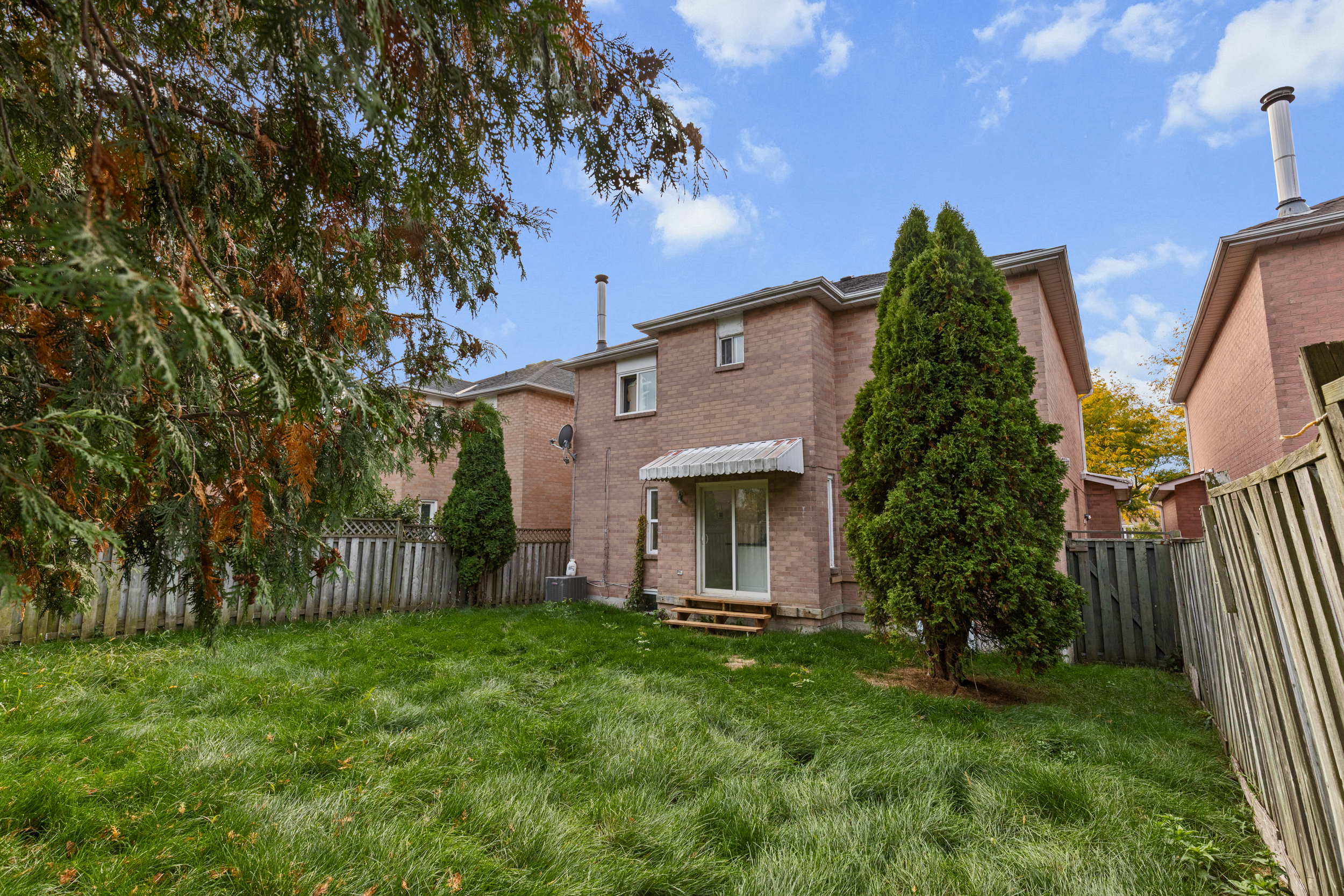
Three Pressure Points Driving the Oakville Exodus
1. The Two-Speed Market
Oakville now feels like two very different markets. On one side, luxury neighbourhoods like Morrison see average prices around $2.8 million, with buyers often bringing in wealth or equity from elsewhere. Sales take just over five weeks.
Most buyers, though, are families with solid but not unlimited budgets. For these households, even a typical detached home, often priced over $1.35 million, can feel out of reach, especially with mortgage rates higher than in recent years. Many hoped to move up within Oakville using their home equity. Now, that move looks financially tough.
Thinking about selling your home?
Get a free, no-pressure valuation from a GTA realtor who tracks this market every day.
That’s when families start looking at neighbouring cities. For example, the average Hamilton home is about $750,000, and in Waterloo Region, prices often sit in the low $700,000s. Burlington and Kitchener tell similar stories. Compared to Oakville, these look like big value for money, especially if you’re looking for a detached home or more space.
2. Lifestyle and Commute Realities
Oakville’s location on the map is a selling feature, quick access to Toronto, the QEW, Highway 403, and GO transit. But in reality, it often means long commutes, juggling multiple schedules, and heavy traffic. Rapid population growth in Oakville and the rest of Halton region adds more pressure on roads, schools, and infrastructure.
Many families spend two to three hours a day commuting or getting between activities, especially if one person works in Toronto or Mississauga. It’s a grind that rarely shows up in the real estate stats, yet quietly pushes people to consider a move farther out.
3. The Quiet Cost Creep
Rising home values in Oakville have boosted property taxes. Running two or three vehicles per household, plus higher insurance, kids’ sports, activities, and groceries, all add up fast. Even with above-average incomes, expenses run high in Oakville.
When families compare real, full budgets in Oakville to what they’d spend in Hamilton, Kitchener, or Waterloo, the difference can mean hundreds of dollars more in the bank every month. This gap is often what takes the idea of moving from “maybe one day” to actually listing a home.
Where Are Oakville Homeowners Going?
Based on recent moves, Oakville sellers look first to Hamilton and surrounding areas. With average prices nearly half of Oakville’s, it’s possible to sell a townhouse or smaller detached in Oakville and buy a larger home or reduce your mortgage dramatically elsewhere. Kitchener, Waterloo, and Cambridge are also popular. These markets offer detached homes in the low $800,000s and easy access to the GTA for those keeping a Toronto-area job.
Some families want an even bigger lifestyle reset. Smaller towns further west (like in Wellington or Niagara) attract those ready to leave the GTA entirely, seeking a slower pace or more outdoor space. For them, the move is less about price and more about what the next decade of life will feel like.
Should You Stay in Oakville or Move?
This choice depends on your job, family needs, and what you want out of the next few years. If schools, work, and your support network are in or near Oakville, don’t rush to sell just because the headlines are loud. There are options to stay local, like moving to a different Oakville pocket, a smaller detached, linked home, or freehold townhouse to match your changing needs. Sometimes the best move is right within the city. Sometimes a nearby city makes more sense.
If you’re a first-time buyer or don’t need to stay close, widening your search to places like Hamilton or Kitchener can make homeownership possible much sooner. In each case, a clear-eyed look at what your budget, down payment, and income will get in each community is key.
For those thinking about leaving Oakville entirely, the process usually starts with understanding what your home could realistically sell for in today’s market. Next, add up all the monthly living costs in your target city, mortgage, taxes, transit, schools, and more.
Q&A: Oakville Real Estate Exodus
Why aren’t Oakville’s high prices stopping demand?
There’s still outside demand for Oakville, especially from buyers moving up or relocating from pricier parts of the GTA. But for families already in Oakville, rising costs are causing more to look for alternatives elsewhere.
Are there affordable options for first-time buyers?
Entry-level buyers often focus on Oakville condos or stacked towns, or look just beyond city borders to Burlington or Mississauga for a slightly lower price point and similar amenities.
How do I know which city is right for my next move?
The right choice starts with comparing full, realistic budgets and commutes, not just list prices. Every situation is different. Comparing options side by side is the best way to move forward confidently.
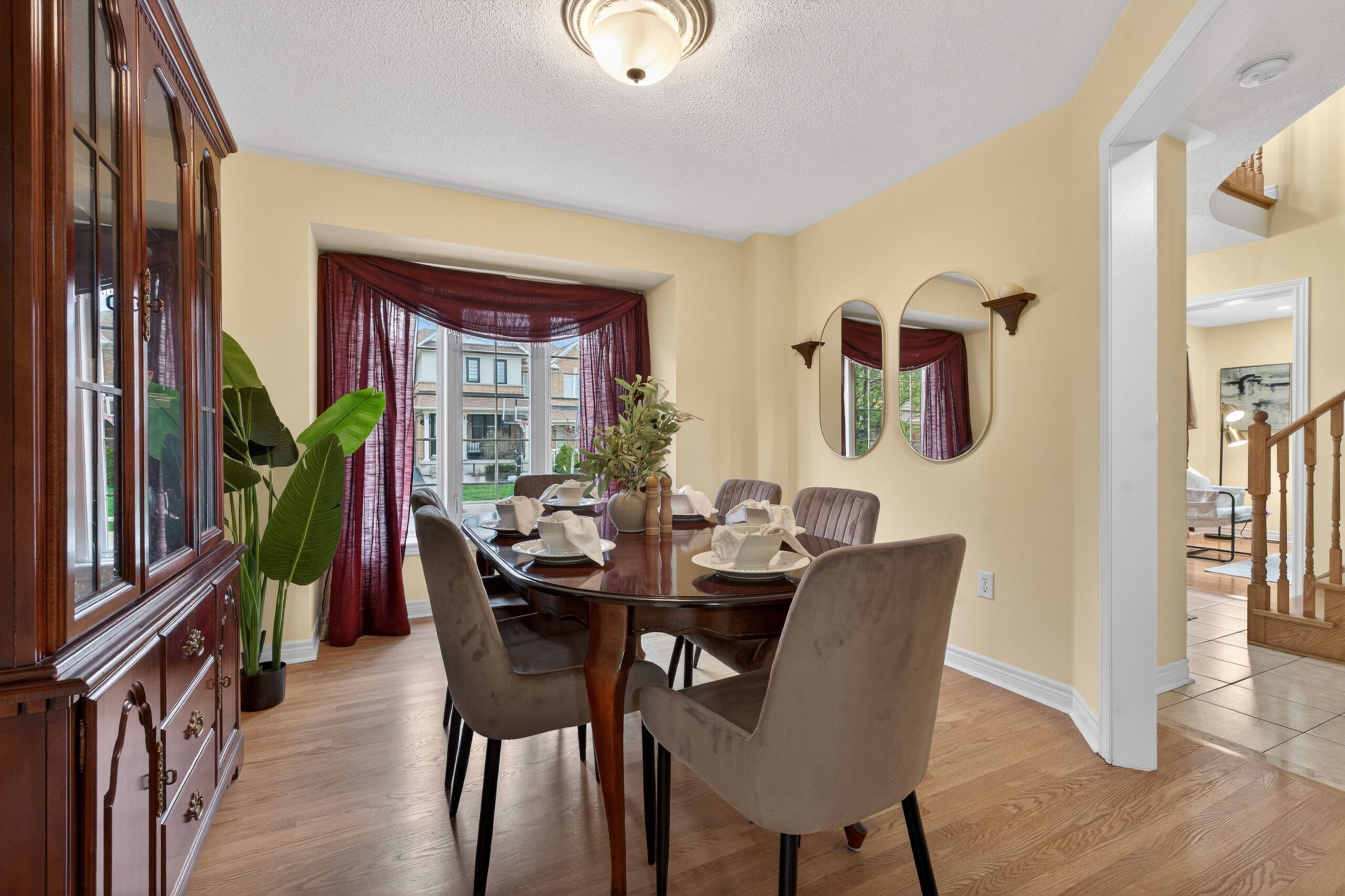
Planning Your Next Step in Oakville Real Estate
Whether you’re feeling pressured by costs, commute times, or just wondering if a move makes sense, careful planning will make the difference. Take the time to see what you’d actually gain or give up by staying in Oakville, moving within the city, or making the jump elsewhere. For homeowners, you can see what homes are selling for in Oakville or get your home value online.
If this is the kind of situation you’re thinking through, consider reading Oakville Condo Fire Sale 2025: How to Buy in a Changing Market for tips on buying in a softening market, or see how a similar trend is affecting nearby suburbs in Mississauga Families Leaving: Why the Numbers Don’t Show the Whole Story.
Talking your numbers through with someone local can help. I work with buyers and sellers in Oakville and across the GTA. If you want a practical, no-pressure review of your options, you can book a call anytime, or learn more about working with a local real estate agent in Oakville. Your next step should work for your life, not just the market headlines.

Sales Representative | Robbio Nicolle Real Estate Team at Real Broker Ontario
Halton Hills realtor covering Georgetown, Milton, Mississauga, and the wider GTA. Data-first, no hype. Featured on YouTube at The Market with Mats Moy with 500K+ views.