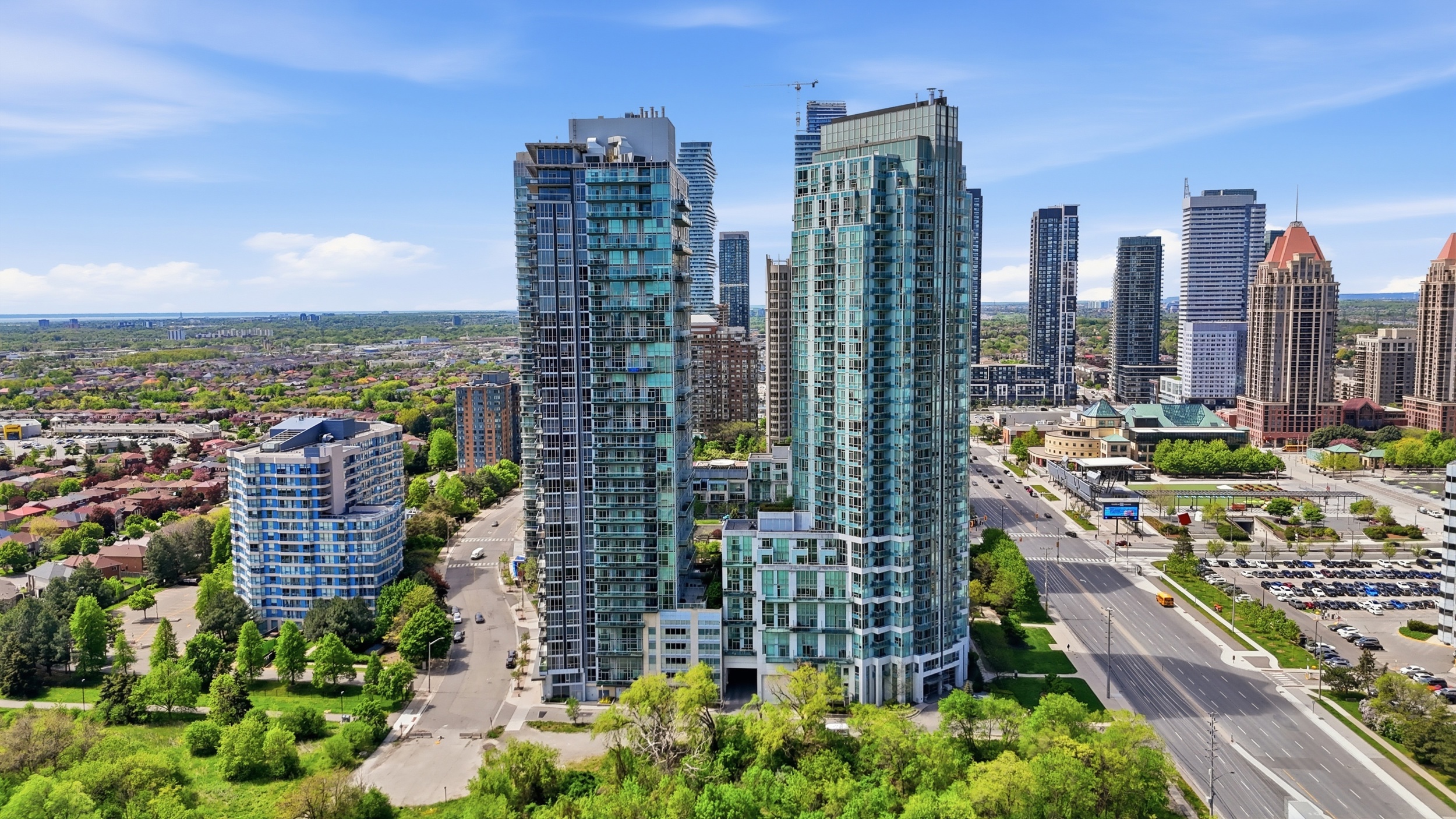
Hook Formula: Symptom-first. You check your condo statement and see maintenance fees have jumped again. In Meadowvale, you can’t help but notice the For Sale signs outside older buildings stay up for weeks. Mississauga real estate in 2026 is exposing a hidden problem: older condos are struggling, and owners feel the pinch as new rental towers set a fresh standard for value and comfort.
Why Older Mississauga Condos Are Facing a Watershed Moment
Right now, older condos in Mississauga, especially buildings from the 1980s and 1990s, are entering a danger zone. Monthly condo fees in some buildings have passed $1,100, and they keep rising. In Square One, one well-known tower raised fees by almost 8% this year, now exceeding $1,250 for a two-bedroom. Building insurance has doubled since 2020. Reserve funds are draining faster as elevators, plumbing, and parking garages reach their wear-out dates. Owners see little option but to pay or sell, and units are taking longer to move than ever before. In April, one two-bedroom at Hurontario and Burnhamthorpe sat for 49 days before selling, a jump from only 24 days last spring.
This pressure has collided with the biggest wave of purpose-built rental construction in 30 years. Projects like M3 at M City and new towers along Eglinton are offering large suites, pet amenities, and glass-walled gyms. Their rents look steep on a chart, but for many, the monthly cost is actually lower compared to carrying a condo unit saddled with huge fees and needed repairs. That’s a shift in power that older condo owners haven’t had to compete with before.
But even if you don’t own in these buildings, you should care. Neighbourhoods change value block by block. If one complex starts showing rust, surrounding values can drift down. Owners watching property taxes and insurance up in tandem are learning this the hard way, especially in Hurontario and Cooksville.
So, what’s really broken with the usual way of owning or investing in older Mississauga condos? Stick with me, because most people miss the cracks until they’re standing in one.
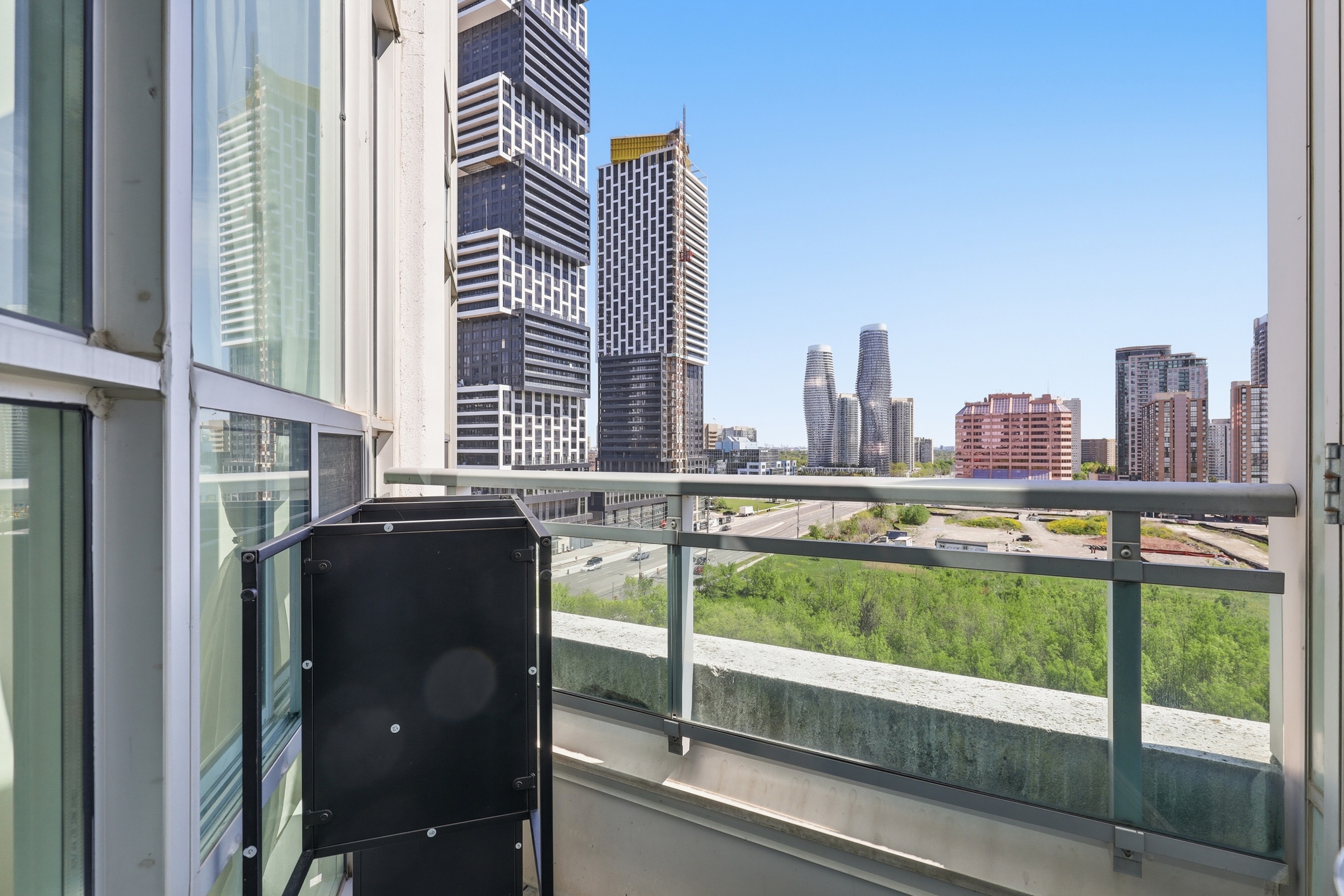
The Real Problem: Ageing Buildings, Soaring Fees, and Unmatched Competition
The classic real estate logic says condos are an easy, steady foothold, especially in a city like Mississauga. That was true a few years ago. But today, the numbers tell a harsher story. Buildings constructed before 2000 are now in their third or fourth round of major repairs. Some need tens of millions in garage or cladding work just to stay up to code. Maintenance fees for units in towers built before 1995 are rising at twice the pace of new builds. In Clarkson, one building tacked an $18,000 special assessment onto every two-bedroom in 2025, spread over three years, because their cooling system failed unexpectedly.
Meanwhile, the new rental properties coming online were built for today’s tenants. They don’t carry the legacy costs that old condos do. They offer in-suite laundry, energy-efficient heating, solid soundproofing, community spaces, and fast repairs. You rent, play, and move out, no risk of getting called for new pipes or an elevator overhaul. And in many cases, the monthly difference is under $300 compared to condo ownership all-in.
Thinking about selling your home?
Get a free, no-pressure valuation from a GTA realtor who tracks this market every day.
Put a fence around it: The usual advice is to compare only the monthly fee, ignore the age, reserve fund quality, or deferred maintenance. But this is like ignoring a leaky roof because your current water bill is small. The true cost is hiding in those special levies, slow-building insurance hikes, and future resale pain.
By the numbers: in Q1 2026, sales in buildings over 30 years old averaged 21% more time on market than new resale condos. Buyers can spot the difference. Owners who wait to act lose bargaining power every month their building ages, especially as new rental units open just blocks away.
But there’s a different way to understand the risk, beyond just comparing condo fees and rental rates. Stick around as we get into why.
The Shift: Why Comparing Condo Ownership to Renting No Longer Adds Up
Many buyers and owners in Mississauga have long believed that paying down a mortgage, even on an older condo, still beats renting in the long term. But in 2026, the numbers don’t line up the way they used to.
Take a 900-square-foot two-bedroom in Erindale: $540,000 purchase price, with $1,150/month in maintenance and $175/month in property taxes. Add a typical mortgage at 5.2 percent on 20% down, and you’re over $3,400 out each month. When new purpose-built rentals for similar size are going for $2,850 with all amenities and no looming assessments, the traditional buy-vs-rent argument starts to crack.
This isn’t just about today’s payments. The resale market for older condos is soft, and negative equity is showing up in owner statements. In January, CMHC flagged three Mississauga postal codes as “at-risk” for condo value declines. At the same time, the thousands of new rental units not only draw away would-be buyers, but set the new bar for expectations on finishes, fitness spaces, even package handling.
The loss here is clear. For many owners, waiting means paying extra every single month, and losing ground as new stock devalues their asset, sometimes by $30,000 to $50,000 in under two years. The shine is off the “starter condo” idea, and time is not on your side if you’re holding in an older tower with major work looming.
So, what does this mean for options? There are still paths forward, if you pay close attention to the math and the market, not just the stories from five years ago.
Mississauga Condo Ownership in 2026: Consequences and New Approaches
Here’s what’s different now, for both current owners and anyone considering a purchase in an older Mississauga condo:
- Fee Inflation Eats Equity: As maintenance fees push up over $1,000 or $1.20/square foot, every increase not only hits your pocket but also shaves value off your sale price. New buyers calculate monthly carrying costs first.
- Slow Resale and Investor Exit: Listings in older buildings are stacking up. In March, over 40 percent of available resale condos over 30 years old had seen at least one price cut before selling (based on TRREB numbers).
- Tenant Preferences Have Changed: It’s not just about granite counters. Fast repairs, amenities, and lower hassle, these drive rental demand. Renters are choosing new builds, leaving legacy condos for budget hunters only.
So you can plan with real numbers for the next two years, and not get blindsided by a sudden special assessment or a slow market if you need to sell. You can reframe your decision, are you building equity or subsidizing repairs?
Some owners are already taking action. They’re requesting updated reserve fund studies, reviewing the last decade of assessments, and calculating their total five-year cost curve against rental options. If you’re watching this play out, notice that owners who moved quicker tended to walk away with less loss, while those who waited out a sinking building paid the difference with added fees and eroded resale values.
If you want more real numbers, see “Mississauga Condo Fee Problems: Why Owners Can’t Sell in 2026” for recent examples.
So, what can you do to actually see the warning signs in your building, or pick up on these trends before it’s too late? There’s a simple system for that.
Spotting Trouble: A Step-By-Step Look at Older Mississauga Condos
- Request and Read the Latest Reserve Fund Study. Compare projected repairs against current savings. If your building’s study is more than three years old, ask questions.
- Track Fee and Insurance Trends. Match your quarterly statements against comparable buildings nearby. A gap of over 25% is a red flag, especially in central Mississauga.
- Walk the Building At Night. Check for burnt lights, out-of-order gyms, elevator issues. Deferred maintenance always shows up where you least want it.
- Compare Total Living Cost to New Rentals. Get an actual quote for similar new units, factor in utilities, Wi-Fi, amenities. See if your ownership premium makes sense on paper, not just in your head.
- Watch Local Listings. How many units like yours are sitting? What’s their pricing pattern? Use TRREB or HouseSigma for current stats.
Every step helps you spot problems that regular real estate advice skips. When you know how far your building is from a special assessment or a spike in vacant units, you see the real cost of waiting, or the potential benefit of moving early.
If you want to take this a step further, compare notes with what’s happening in “Mississauga Condo Market 2026: Prices Down 10% and What Happens Next.” You’ll notice the patterns form earlier than most owners expect.
Next Steps: What This Means for Mississauga Condo Owners and Investors
Older Mississauga condos aren’t doomed, but the math has changed. Recognising the signals, fee spikes, long and repeated listings, deferred repairs, puts you ahead of the curve while many are still hoping for a bounce-back. If you want the real numbers for your building, or are comparing older condos to today’s best rentals, I track these shifts across Mississauga and the GTA every week.
See how your building stacks up, or get a free estimate for your condo’s value and fee trends at matsmoy.com. If you’re facing stalled listings or sky-high fees, send me a message for a data-backed look at your options. Or you can book a call to compare the real numbers live, so you can move with facts, not just market stories.

Sales Representative | Robbio Nicolle Real Estate Team at Real Broker Ontario
Halton Hills realtor covering Georgetown, Milton, Mississauga, and the wider GTA. Data-first, no hype. Featured on YouTube at The Market with Mats Moy with 500K+ views.