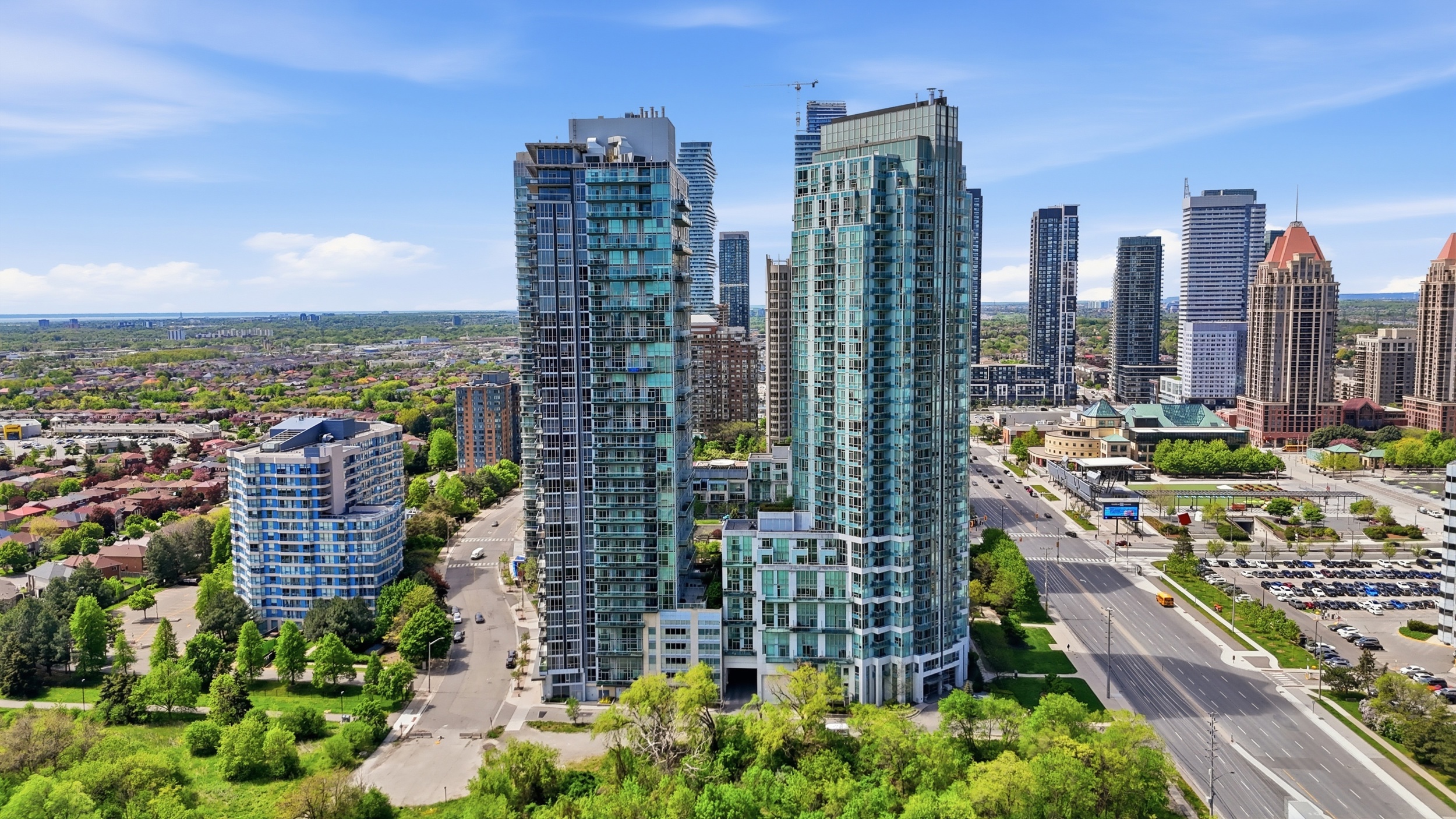
The Toronto condo market correction is in full swing, with prices down and choices up for buyers. If you’re trying to figure out if this is finally your chance to buy a Toronto condo, or wondering what it means if you already own, here’s what’s really happening, and what matters most right now.
GTA Market Snapshot: How Condos Compare to Houses
Let’s start with the big picture. As of late 2025, the Greater Toronto Area (GTA) has seen a reset in home values. Average home prices for all types are about $1,139,000, 6.4% lower than last year. The number of sales is down almost 16% year-over-year, and new listings are also down about 4%. But prices haven’t been falling rapidly month after month; instead, we see a slow, sideways grind.
Condos are at the heart of this correction. Across the GTA, resale condo prices have fallen harder than detached or semi-detached homes. The average resale condo is about $660,000, down roughly 5% from last year, and a striking 20, 22% below the 2022 peak. In plain terms, the same unit that might have sold for $900,000 per square foot during the pandemic boom could be closer to $750, $770 now.
Toronto Condo Market Correction: By the Numbers
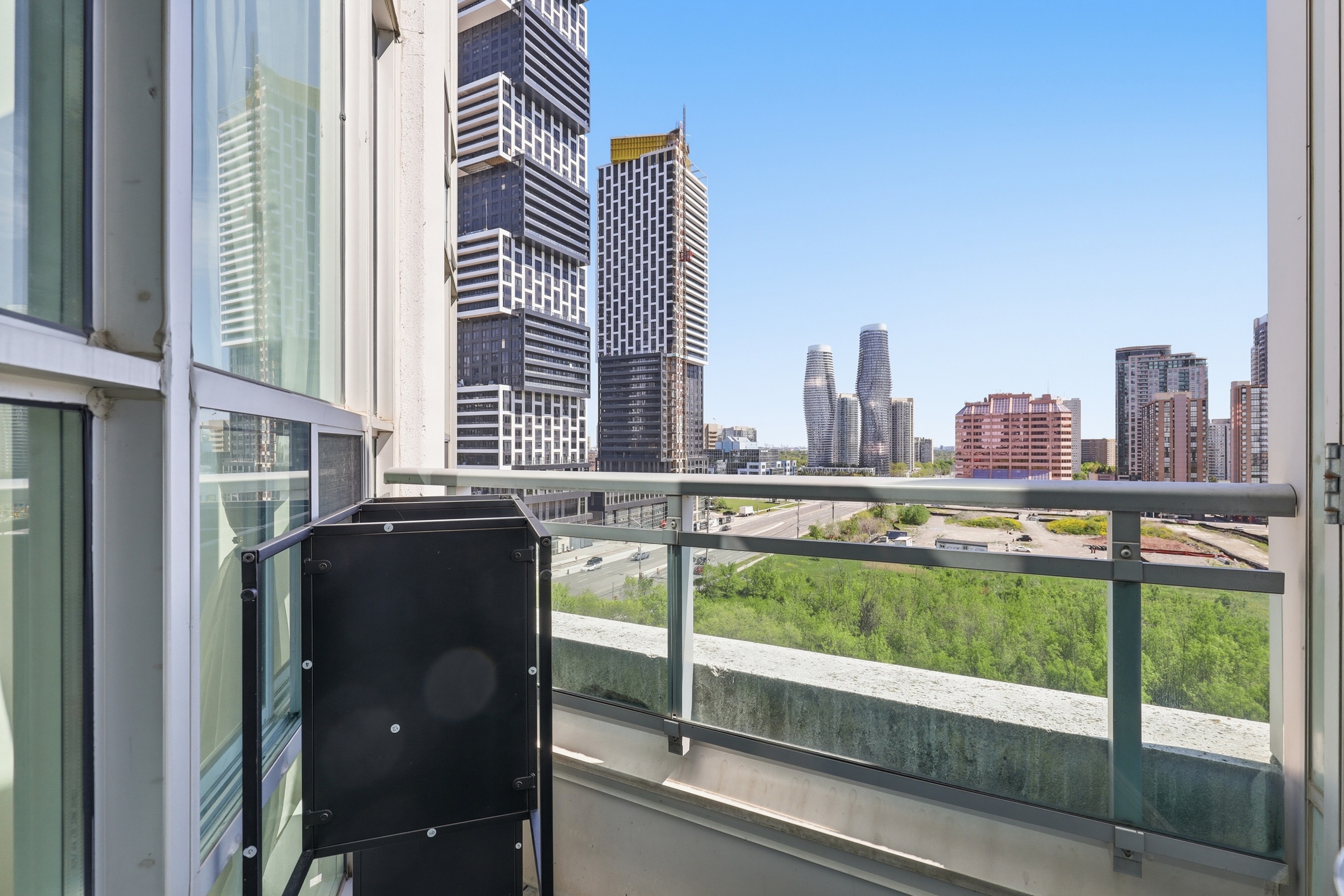
This correction isn’t just a headline. In Toronto proper (the 416), the average resale condo price has slipped to $667,000, slightly more resilient than some suburbs. In the 905 areas, like Mississauga and Vaughan, prices have dropped around 8-10% from recent highs. New pre-construction sales have nearly frozen, with activity down almost 70% across the GTA, as both investors and builders hesitate.
What’s different about condos compared to houses?
Thinking about selling your home?
Get a free, no-pressure valuation from a GTA realtor who tracks this market every day.
- Condos react faster to interest rates and policy changes. When markets slow, condos see steeper swings.
- Inventory is high. With over 6 months of inventory available, it’s clearly a buyer’s market. Buyers have time to shop around; sellers have to price aggressively or adjust expectations.
- Monthly carrying costs (fees, reserve funds, and building health) are just as important as the sale price. High condo fees or a weak reserve fund can wipe out the benefit of lower prices.
Toronto vs 905: Where Are Buyers Finding Deals?
The deepest drops in condo prices have happened in the 905. If you’re open to living outside the downtown core, suburbs like Mississauga, Vaughan, or other outer GTA cities often have bigger markdowns than Toronto itself. For example, the average 905 condo has dropped about 10% since last year, sometimes offering more space for less money compared to a city unit.
However, not every area is down. Pockets, such as Aurora or Halton Hills, have seen small price increases this year. Most of Toronto’s core remains more stable, but there’s still more negotiation room than we’ve seen in years. If you’re comparing between the 416 and the 905, think about trade-offs between price, space, commute, and building type.
Pre-Construction vs Resale: Where’s the Value in Toronto Condos?
Pre-construction condo sales are almost frozen. Units are taking much longer to sell, and that earlier price premium (sometimes 30, 40% above resale) has shrunk to about 15, 20%. Developers are reluctant to slash prices, but buyers are hesitant to commit years ahead on something that might not cash-flow or meet their needs in today’s environment.
For most buyers and end-users who actually want to move in or rent out a unit within the next year, the resale market offers more value and less risk than trying to time the bottom of the pre-construction cycle. With resale prices down 20% or more from the peak, there’s an argument to be made that these are the best deals we’ve seen in years on real, move-in-ready condos in Toronto.
If you want to dig deeper into resale versus pre-construction timing strategies, you may also want to read this Toronto Condo Market Update 2025.
Is Now a Good Time to Buy a Condo in Toronto?
No market timing call is perfect, but there are signs this correction is opening a real window for buyers and long-term investors in Toronto condos. With more inventory, less competition, and negotiable prices, buyers have a rare opportunity to take their time and make smart choices. Investors should run numbers carefully, don’t assume rents will rise fast or that the market will snap back quickly. End-users looking for a primary residence or a long-term hold may be getting their first break in years.
If you’re upsizing or moving out of a condo, see broader regional strategies in GTA Upsizing Opportunities 2026.
Common Toronto Condo Market Questions Answered
Are more price drops coming?
Most of the big reset has already happened. If interest rates stay high, there could be further mild declines, especially if more investor-owned units come up for sale. At this stage, the pace of declines has slowed, and we’re seeing a sideways trend.
What should buyers focus on besides price?
Monthly payment at today’s interest rates, all-in carrying costs (including condo fees and reserve fund health), and the building’s financials should be top priority. Don’t just chase the lowest price, make sure the unit is financially sustainable and well managed.
As a seller, how do I compete?
Your pricing strategy is crucial. Price ahead of the market and be ready to negotiate. If there are many similar listings in your building, incentives, flexible closing dates, or creative terms can make a bigger difference than holding out for a higher price.
How to Navigate the Toronto Condo Market Correction
Here’s what matters most right now:
- Take your time as a buyer. Six months of inventory means less pressure to rush.
- Compare buildings, not just units. Fees and building strength can vary more than you think.
- If you’re investing, be honest about rent and holding costs. Positive cash flow is harder to find today but possible for patient investors.
- Sellers need to price ahead of the market and focus on where buyer demand is strongest.
If you want step-by-step help running the numbers on an actual Toronto condo deal, or want to talk through resale versus pre-construction, Toronto real estate agent services are available for buyers and sellers across the GTA. You can also book a call to talk through your timeline, budget, and target neighbourhoods.
Thinking of buying or selling a Toronto condo, or anywhere in the GTA? Making the right move starts with a realistic plan and clear numbers. I work with clients throughout Toronto and the broader region, reach out if you want practical guidance based on today’s real market conditions.
Want this on your specific block
If you want to know what this means for your home or your search, send me a note. You can book a fifteen minute call, or run a free home valuation and I will send the recent comps for your street. I cover the Toronto market every week, so I can tell you what the data is doing in your neighbourhood before you make a move.

Sales Representative | Robbio Nicolle Real Estate Team at Real Broker Ontario
Halton Hills realtor covering Georgetown, Milton, Mississauga, and the wider GTA. Data-first, no hype. Featured on YouTube at The Market with Mats Moy with 500K+ views.