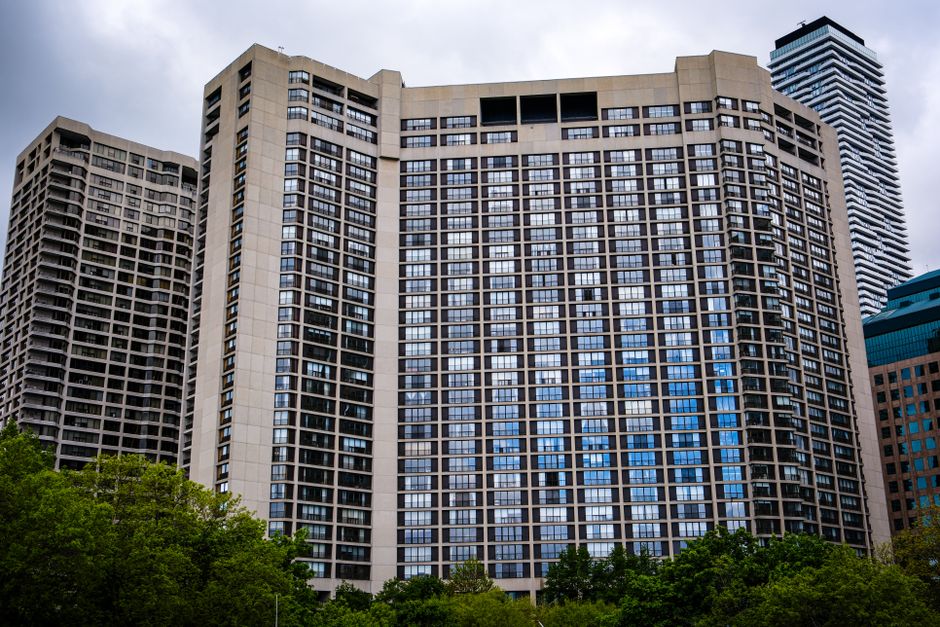
A Toronto condo special assessment is a one-time charge the board can issue to every owner when the reserve fund runs dry. In October 2024, one North York building hit 100 owners with a $70,000 bill each. Buildings as young as 7 years old are not immune. Learn what to check before you buy a Toronto condo.
In October 2024, owners in a North York condo building opened a letter from their board and found a $70,000 charge waiting for them. The building was only 7 years old. Nobody voted for it. Nobody could refuse it. And legally, the board had every right to send it. That is how a special assessment works, and it is one of the least talked-about financial risks in the Toronto condo market right now.
What a special assessment actually is
Every condo corporation in Ontario is required by law to maintain a reserve fund. That fund exists to cover major repairs: roof replacements, elevator overhauls, window systems, parking garage waterproofing. You pay into it every month through your maintenance fees, alongside operating costs like utilities and property management.
The problem is that reserve funds are often underfunded from the start. Developers set initial maintenance fees low on purpose. It is a sales tactic. Low monthly fees make a unit look more affordable on paper, so you can see how the math works in the short term for the builder even when it does not work for the owners who come after.
When the fund is not large enough to cover a repair that cannot wait, the board has two choices. Borrow money against the building, which adds interest costs to every owner. Or issue a special assessment, a direct charge to each unit, due in full or in instalments, depending on the board’s terms.
There is no vote required from owners for most assessments. The board can approve it on their own if it is within their authority under the Condominium Act. You can attend the meeting and ask questions, but you cannot block the charge from coming.
The $70,000 North York figure is dramatic, but it is not an outlier. Across the GTA, condo boards have been issuing assessments ranging from a few thousand dollars all the way into the tens of thousands. The size depends on the repair, the number of units sharing the cost, and how empty the reserve fund was when the problem arrived.
A building with 100 units facing a $7 million garage repair lands each owner a $70,000 bill. A building with 400 units facing the same repair brings that number down to $17,500. The arithmetic is simple. The warning, often, is not there at all.
Why so many Toronto condos are exposed right now
The GTA saw a construction boom throughout the 2010s. Thousands of condo towers were completed between 2012 and 2019. Many of those buildings are now hitting the 10 to 15 year mark, which is when the first round of serious capital repairs typically lands. Roofing systems. Elevator components. Facade caulking. Garage membranes. These are not cheap fixes.
At the same time, inflation in construction costs since 2020 has made every repair more expensive than the reserve fund study predicted. A study done in 2016 estimated what a roof replacement would cost. That estimate was based on 2016 labour and material costs. By 2024, those same repairs cost significantly more. The gap between the fund’s projected balance and what the repair actually costs falls directly on current owners.
There is also a timing issue that catches buyers off guard. When you purchase a resale condo, you receive a status certificate. That document shows the current state of the reserve fund, any pending litigation, and known upcoming assessments. But a status certificate is a snapshot. It shows what the board knows and has disclosed as of that date. A repair that has not been formally voted on yet will not show up. An engineering study that is still in progress will not show up either.
That means a buyer can close on a unit in January, and by March the board has voted on a $30,000 assessment for a parking garage repair that was already being scoped out when the status certificate was issued. Nothing illegal happened. The seller may not have even known. But you are now holding the bill.
This is not a fringe scenario. The Toronto condo market already has serious pressure from falling resale values, rising inventory, and investors trying to exit. A special assessment on top of negative equity or a mortgage renewal at higher rates is the kind of combination that pushes people into power of sale territory. If you want to understand how that cycle plays out, the post on 14,000 Mississauga condo owners closing at a loss shows exactly what happens when these pressures stack up.
Thinking about buying a condo in Toronto or the GTA?
See what is currently on the market before a surprise assessment lands on someone else’s unit and becomes your problem.
How to protect yourself before you buy
The status certificate review is your first line of defence, but it is not the only one. Here is what to look at closely, so you can walk away from a purchase with a real picture of what you are buying into rather than a financial surprise six months later.
Start with the reserve fund study. Every Ontario condo is required to commission one every three years. It projects how much money the fund needs to cover major repairs over a 30-year horizon. If the current balance is below the recommended threshold in that study, you are looking at a building that is already behind. Ask your lawyer to pull it and have someone who understands the numbers walk you through it.
Then look at the meeting minutes. The last 12 months of board meeting minutes will often reveal conversations about repairs, contractor bids, and engineering reports that have not yet been voted on formally. This is where upcoming assessments show up before they are official. A board that has been discussing a garage repair for three meetings is a board that is moving toward a vote. That is information the status certificate will not give you.
Look at the age of the building’s major systems. A building completed in 2009 is now 16 years old. The original elevator components, the roof, and the garage waterproofing are all entering the zone where replacement becomes a matter of when, not if. If the reserve fund study shows those systems are due in the next 3 to 5 years and the fund balance is thin, that gap will get filled by someone. Likely whoever owns the unit when the vote happens.
One other thing to check: whether there has been a recent special assessment already. A building that just completed a major repair and paid for it through a proper assessment may actually be in better shape than a building where costs have been deferred and no assessment has happened yet. The one you want to avoid is the building that has been putting off repairs for years and whose reserve fund shows the shortfall growing.
The Toronto condo market has enough complexity right now that skipping this due diligence is genuinely costly. You can look at comparable pricing and current inventory details through the listings page, but the reserve fund work has to happen before any offer goes in. For a broader picture of how condo pricing and seller behaviour is playing out, the piece on Toronto condo sellers refusing to face reality adds useful context.
| Risk Factor | What to Check | Why It Matters |
|---|---|---|
| Reserve fund balance | Status certificate | Low balance means assessment risk |
| Reserve fund study | Request separately | Shows 30-year repair projections |
| Board meeting minutes | Last 12 months | Reveals pending repair discussions |
| Building age and systems | Disclosure + study | 10-15 yr mark is high-risk window |
| Prior assessments issued | Meeting minutes | Recent repair may mean cleaner books |
Frequently asked questions
Can a condo board issue a special assessment without owner approval?
Yes, in most cases. Under Ontario’s Condominium Act, a board can pass a special assessment without a full owner vote if it falls within their authority to manage the corporation. Owners can attend board meetings and ask questions, but they generally cannot block a legitimate assessment from being issued.
Does a status certificate show upcoming special assessments?
Only if the assessment has already been voted on and formally declared. A status certificate is a snapshot of the corporation’s known financial position at a specific date. Repairs being discussed or scoped but not yet voted on will not appear. That is why reviewing board meeting minutes from the past 12 months is so important.
Are newer condo buildings safe from special assessments?
No. The North York building that issued a $70,000 per unit assessment in October 2024 was only 7 years old. Developers often set initial maintenance fees artificially low, which underfunds the reserve from day one. Age alone is not a reliable indicator of reserve fund health.
How large can a special assessment get?
It depends on the repair cost and how many units share the bill. A $7 million garage repair in a 100-unit building comes out to $70,000 per unit. In a 400-unit building the same repair is roughly $17,500 per unit. The fewer units in the building, the bigger each owner’s share of any shortfall.
Bottom line
A special assessment is not a theoretical risk. It is a bill that boards can issue with minimal notice and no owner vote. The North York case at $70,000 per unit is the kind of number that changes financial plans entirely, and that building was only 7 years old. The protection is not luck or building age. It is digging into the reserve fund study, reading the meeting minutes, and understanding what the building’s major systems are going to cost before you own a stake in them. If you are looking at a Toronto condo purchase and want a second set of eyes on the numbers, get in touch or book a call and we can go through it together.

Sales Representative | Robbio Nicolle Real Estate Team at Real Broker Ontario
Brampton realtor covering Brampton, Mississauga, Halton Hills, and the wider GTA. Data-first, no hype. Featured on YouTube at The Market with Mats Moy with 500K+ views.