Toronto renters are asking a simple but important question: when does buying finally make sense? The decision can feel impossible, especially with high prices and equally high rents. Here, we break down the numbers using a real Toronto condo example and show you how to compare the true monthly cost of owning to your rent. If you’re wondering when owning beats renting in Toronto, this guide will give you a clear and realistic answer.
Why Comparing Rent to Mortgage Payments Is Misleading
Most buyers start by putting their rent beside the full mortgage payment on a calculator. At first glance, owning looks much more expensive. But this comparison is flawed. Your mortgage payment includes two major parts: principal and interest. Only the interest is money you’ll never see again. The principal is forced savings, you’re paying down your loan and building equity in your own property. Treating your entire mortgage payment as a pure expense is where many renters get stuck on the sidelines.
Instead, focus on true sunk costs. A sunk cost is money that’s gone for good, with no return. When you rent, 100% of your monthly payment is sunk cost. When you own, only some parts of your payment are.
Finding the Tipping Point: The Real Cost of Owning vs Renting in Toronto
To make a real comparison in Toronto, look at six true monthly costs of owning:
- Mortgage Interest: The bank’s fee for lending you money.
- Property Taxes: Annual tax paid to the city, often collected monthly.
- Condo Maintenance Fees: Covers building upkeep, amenities, management, and the reserve fund.
- Home Insurance: Protects your unit and belongings.
- Utilities: Hydro, internet, and anything not included in your condo fees.
- Maintenance & Repairs: Interior fixes, appliance repairs, and general upkeep.
Ignore the principal portion when doing this calculation. Principal is money you keep, in a way, it’s a transfer into your own asset. Only the items above should be lined up against your rent.
Thinking about selling your home?
Get a free, no-pressure valuation from a GTA realtor who tracks this market every day.
Toronto Example: Condo Cost vs. Rent in 2026
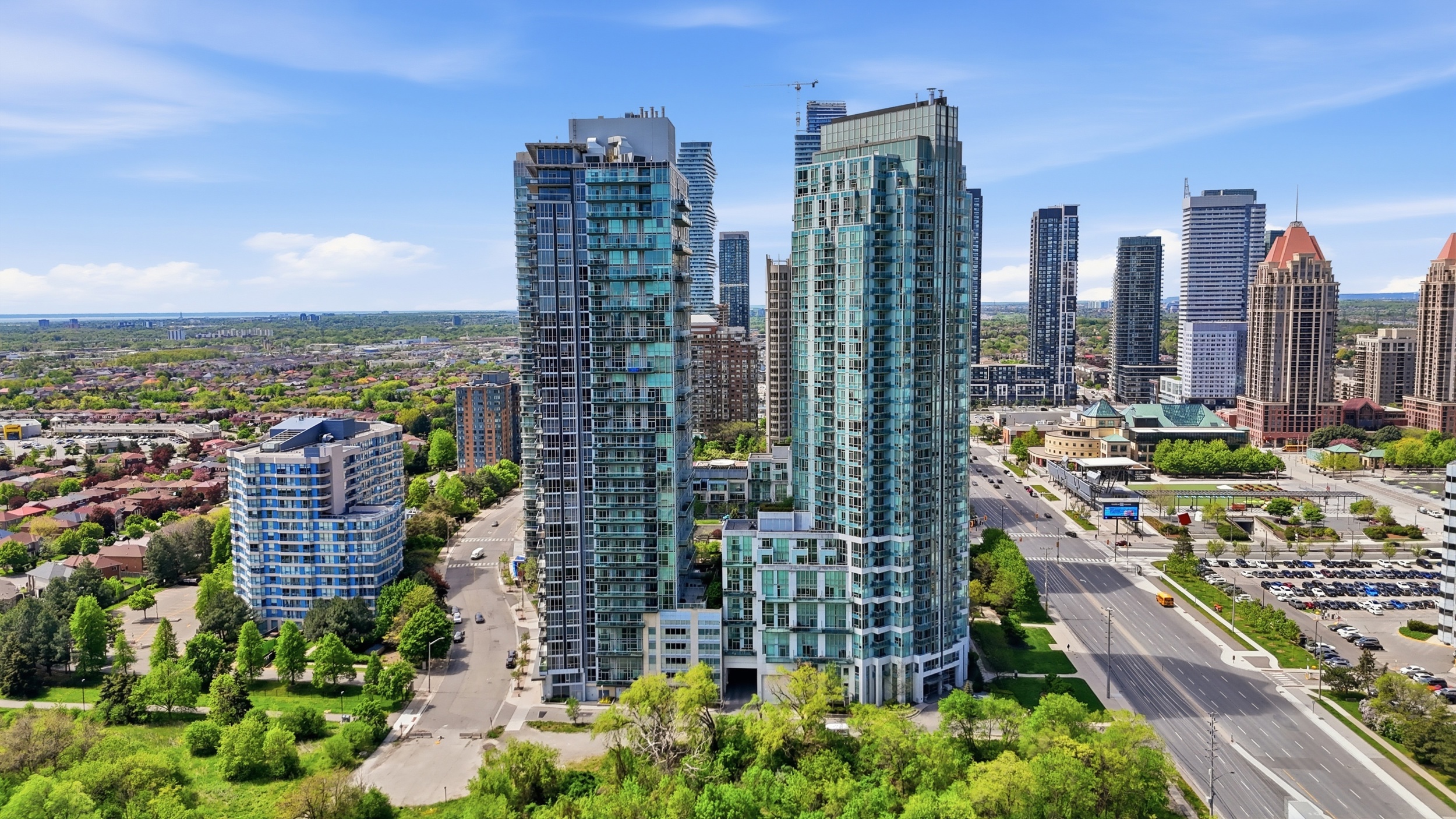
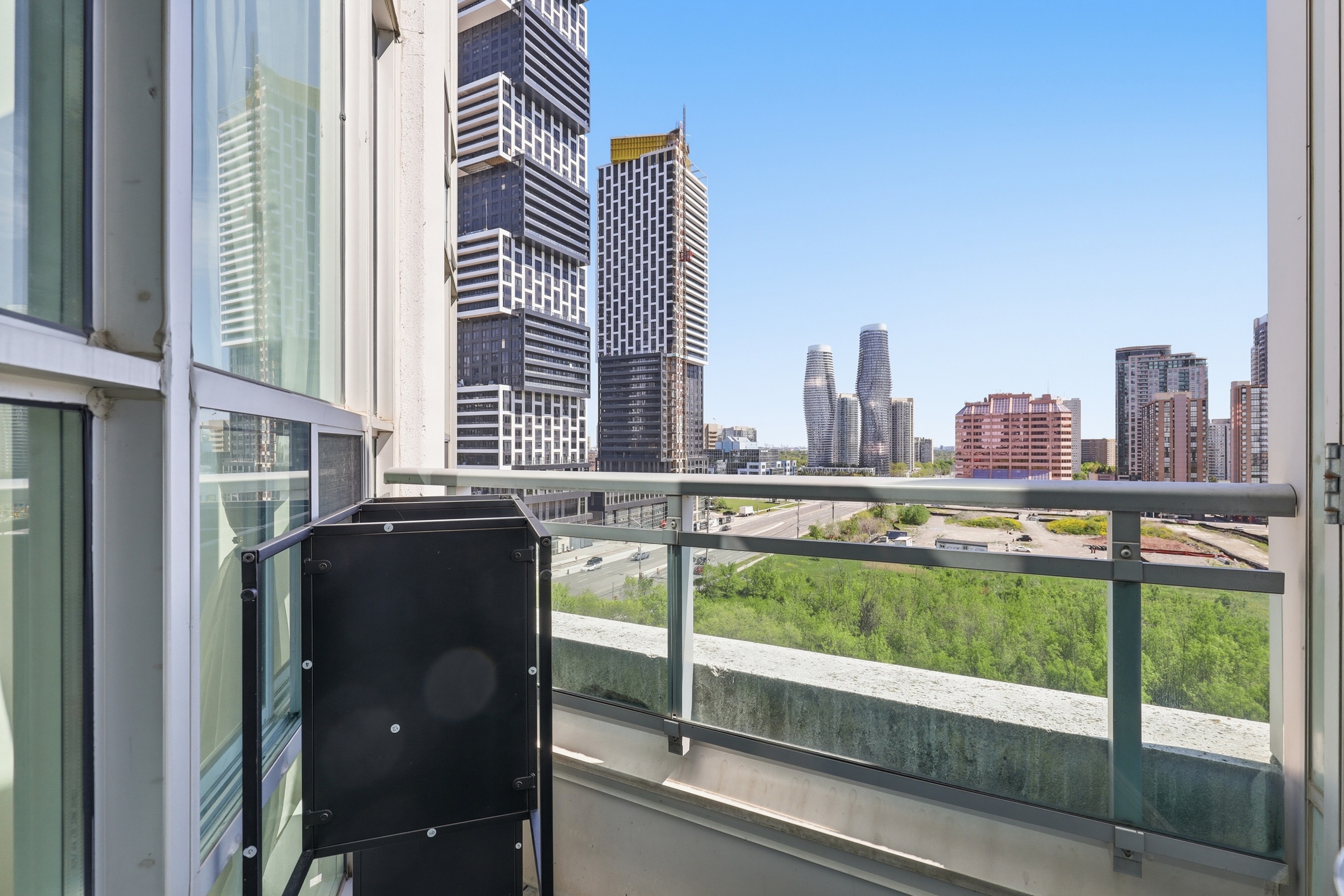
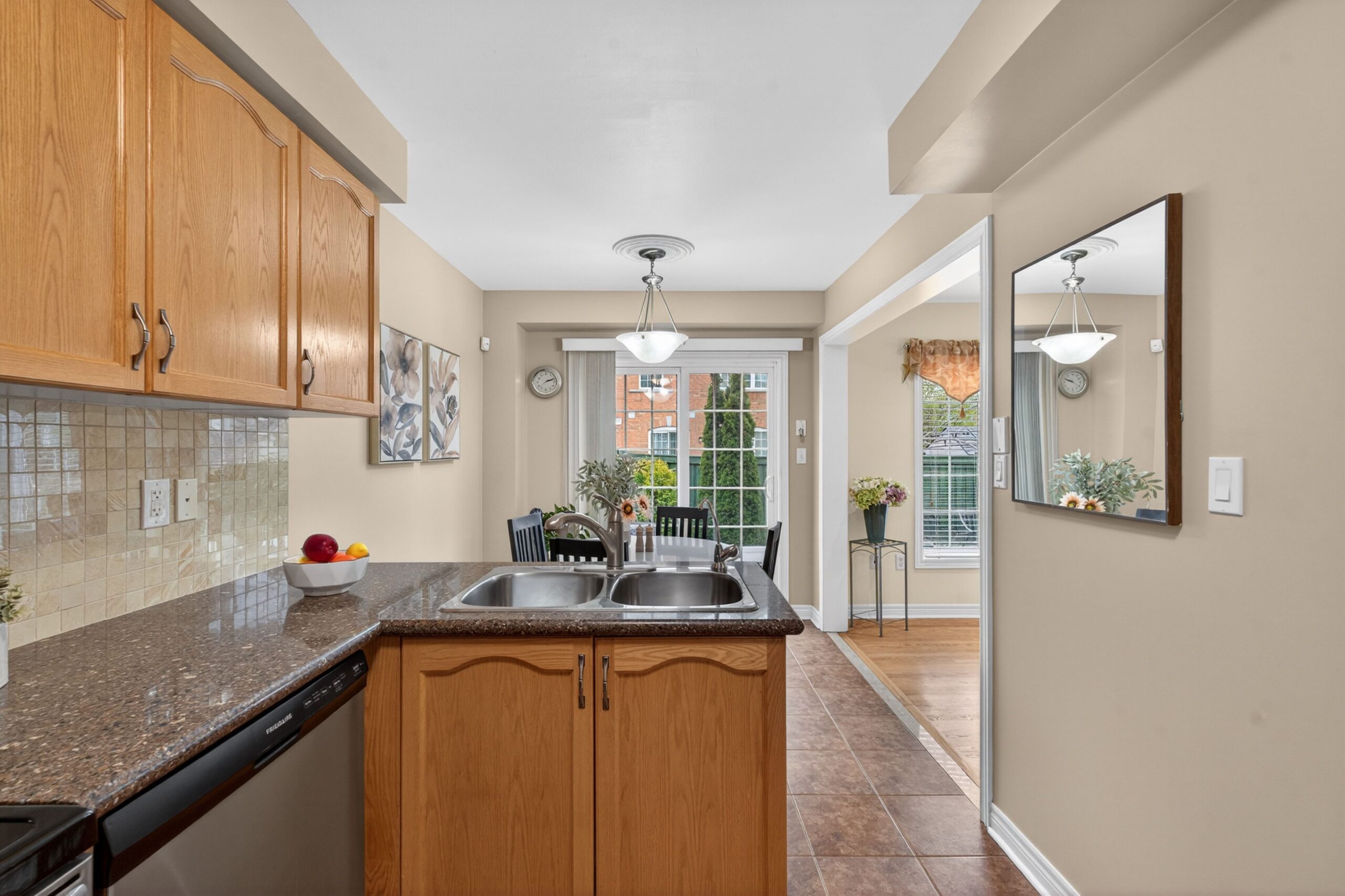
Here’s a real breakdown using an East End Toronto condo, listed at $499,000:
- Down payment: 20% (about $100,000)
- Mortgage amount: just under $400,000
- 5-year fixed rate: 5%
- 25-year amortization
- Monthly mortgage payment: About $2,330
- First-year mortgage interest: About $1,660/month (the rest is principal, your savings)
- Condo fees: $860/month (includes heat, water, building insurance, cable TV, and parking)
- Property taxes: Just under $100/month
- Insurance: $40/month
- Utilities: $150/month (hydro and internet, since heat & water are included)
- Maintenance: $100/month
Adding it up, the true monthly cost of owning (excluding principal) is about $2,910. Average rent for a similar unit: $2,750/month. So, the true cost to own is only $160 more per month than renting. But with ownership, about $670/month goes back into your equity, building wealth over time.
If your rent is already at or above what it would truly cost to own, and you plan to stay at least three to five years, buying starts to look much more reasonable. If you only see yourself staying for a year or two, renting gives you more flexibility and skips closing costs like land transfer tax.
How to Run The Toronto Break Even Test for Yourself
- Write down your current rent. Be honest about your real monthly cost.
- Pick a realistic property in your own price range. Get actual numbers from a recent listing, not just average figures.
- Calculate the true monthly cost to own (C). Add up the six sunk costs: interest, condo fees, property tax, insurance, utilities, and maintenance.
- Compare rent (R) to ownership cost (C). If your rent is similar to or higher than the true ownership cost, it may be time to think about buying.
- Factor in your timeline. Buying in Toronto or anywhere in the GTA generally only makes sense if you plan to stay at least three to five years. This gives you time to build equity and spread out closing costs.
If you want to explore actual numbers for different Toronto condos or compare other GTA cities, see this next breakdown on Toronto condo market correction or check out the detailed cost analysis in Toronto condo replacement cost 2025.
Q&A: Buying vs. Renting in Toronto
What if my rent is much lower than ownership costs?
Stick with renting for now. There is nothing wrong with waiting if buying would strain your budget. Monitor the numbers and re-run the break even test occasionally as the market changes.
Do high condo fees always mean a bad deal for buyers?
Not always. Sometimes higher fees are offset by lower prices, lower taxes, or more included services. Look at the total monthly cost, not just a single line item.
Is now the right time to buy in Toronto?
It depends on your current rent, your time horizon, and the specific properties you’re comparing. If your rent is close to ownership costs and you plan to stay put for several years, it may be worth a deeper look.
Final Thoughts and Next Steps If You’re Unsure
The key is to compare only the true costs you can’t get back. Stop lining up rent against the entire mortgage payment, instead, match your rent to the sum of ownership’s actual sunk costs.
If you want to run these numbers for yourself in Toronto or need help comparing options across the GTA, Toronto real estate guide has more resources, or you can book a call for a free, no-pressure planning session. I work with buyers and sellers in Toronto and the GTA to help you make decisions based on real math, not emotion.
Want this on your specific block
If you want to know what this means for your home or your search, send me a note. You can book a fifteen minute call, or run a free home valuation and I will send the recent comps for your street. I cover the Toronto market every week, so I can tell you what the data is doing in your neighbourhood before you make a move.

Sales Representative | Robbio Nicolle Real Estate Team at Real Broker Ontario
Halton Hills realtor covering Georgetown, Milton, Mississauga, and the wider GTA. Data-first, no hype. Featured on YouTube at The Market with Mats Moy with 500K+ views.