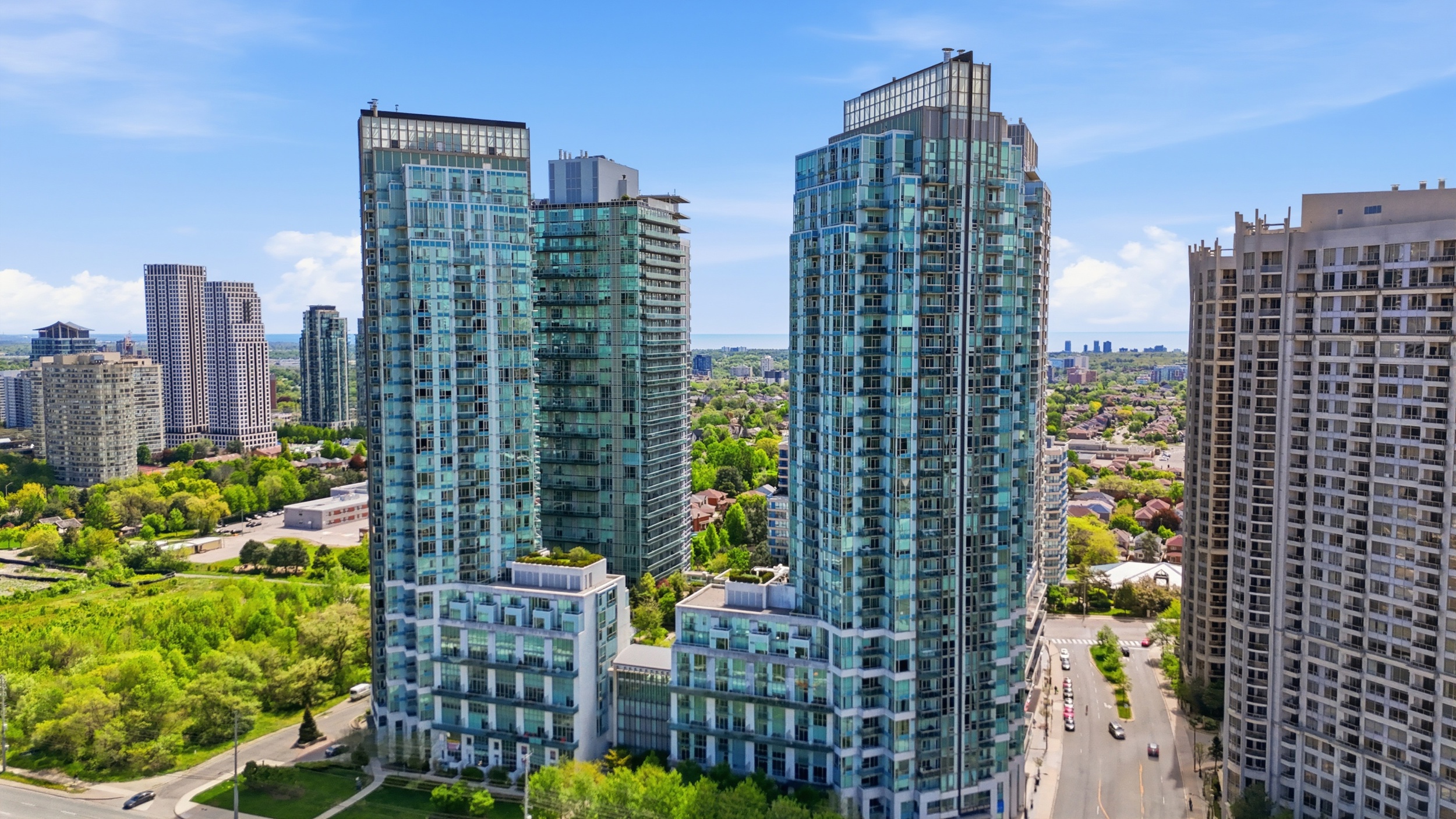
Two numbers came out of the same GTA market report. Sales are up 7% year over year. And homes are sitting 16% longer before they sell. On the surface, those two facts feel like they cancel each other out. They don’t. When you put them together, they describe exactly what kind of market this is right now, and what it means if you’re waiting on the sidelines.
What the 7% Sales Increase Actually Tells You
More homes are selling this year compared to the same period last year. That part is real. TRREB data shows GTA transaction volume is up 7% year over year. If you only read that headline, you might think the market has turned a corner and buyers are rushing back in.
But here’s what that number doesn’t tell you. Most of that sales growth is happening in specific price ranges and specific property types. Freehold homes in the $700,000 to $1.1 million range are moving. Detached homes with good layouts in established neighbourhoods are getting attention. That segment of the market has enough buyer demand to move deals.
Condos are a different story entirely. Thousands of condo owners across the GTA are closing deals at a loss, and inventory in that category continues to pile up. So when you hear sales are up 7%, you need to ask: up in what? Because a rising tide is not lifting every boat equally right now.
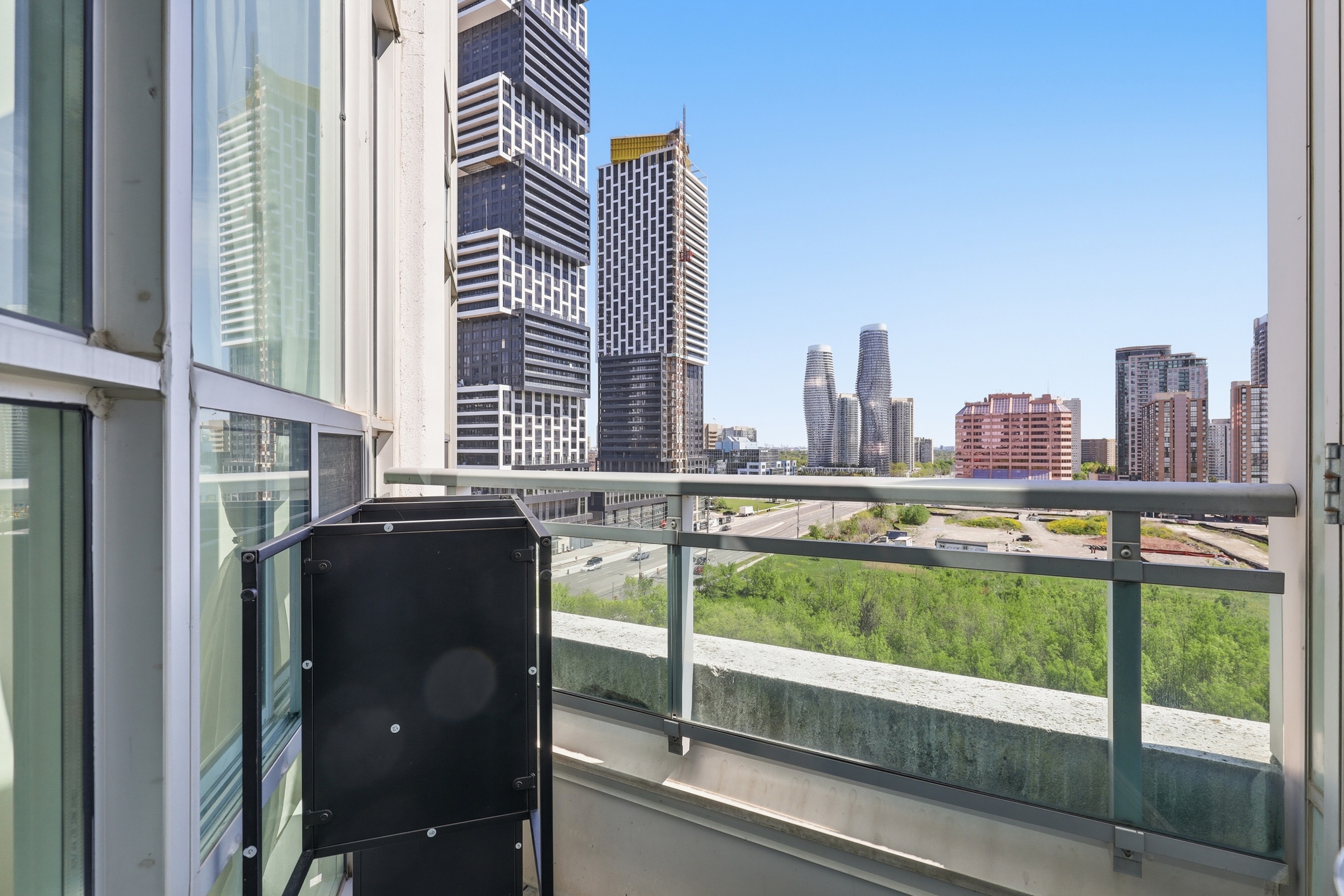
Toronto Homes Taking Longer to Sell: What 16% Really Looks Like on the Ground
The average days on market across the GTA has stretched out by 16% compared to a year ago. If homes were taking roughly 25 days to sell last year, you’re now looking at closer to 29 days on average. That doesn’t sound massive until you account for carrying costs.
Every extra week a home sits on the market costs the seller money. Property taxes keep accruing. Mortgage payments don’t stop. Utilities run. If you’re carrying a home you’ve already moved out of, those costs add up fast. GTA sellers are already losing around $3,000 to that one hidden number, and a 16% increase in days on market only makes that problem worse.
Thinking about selling your home?
Get a free, no-pressure valuation from a GTA realtor who tracks this market every day.
The longer sit time also has a psychological effect on buyers. When a listing stays active past the two-week mark without a price change, buyers start wondering what’s wrong with it. That perception problem compounds the financial one. You end up in a loop where the home sits, buyers get skeptical, and the seller either holds firm on price or cuts. Most eventually cut.
Why Both Numbers Can Be True at the Same Time
This is the part that confuses a lot of people. How can volume be up and time-to-sell also be up? The answer is that the market is not one uniform thing. It’s a collection of micro-markets operating under the same brand name.
In the freehold segment around the $800,000 to $1 million mark, properly priced homes in Toronto, Brampton, and parts of Mississauga are moving in two to three weeks. The Toronto market still has pockets of genuine demand where move-in-ready detached and semi-detached homes attract multiple showings within days.
Meanwhile, a condo listed at $650,000 in a building with high fees and a lot of competing inventory might sit for 60 days and still not sell. Both of those are happening in the same market at the same time. The 7% sales increase reflects the first type. The 16% longer days on market reflects the average, which gets dragged up heavily by the second type.
If you’re pricing based on the headline and expecting the speed of one segment while actually selling in the other, that gap is where sellers get burned.
Where the Real Risk Is Right Now
The cost of getting this wrong isn’t abstract. A seller who lists at $899,000 expecting a quick sale, watches the listing age for 45 days, then drops to $849,000 has given up $50,000 and still paid another month of carrying costs on top. That’s not a hypothetical. GTA sellers have been accepting offers $177,000 below asking price in some segments, which tells you how badly pricing mismatches are playing out.
The buyers who are active right now are not naive. They have data. They’ve watched listings age. They know when a price has been reduced and how many times. A home that hits the market correctly priced for its segment and its condition will sell. One that hits the market based on what the owner paid or what the neighbour got two years ago will sit. And sitting costs money every single day.
To put a fence around it: this is not a market where you can price optimistically and expect the market to catch up to you. The gap between list price and sale price is real, it’s measurable, and it’s getting wider in the segments with excess inventory.
The Segment That Still Has Momentum
There is genuine buyer activity in the GTA right now, particularly among people who’ve been waiting since 2023 or 2024 and are now seeing rates stabilise enough to act. The Bank of Canada rate cuts in 2026 have improved affordability enough at the lower end of freehold pricing to bring some buyers back. First-time buyers looking at townhouses and semis in the $700,000 to $850,000 range are more active than they were six months ago.
That’s the slice of the market pushing the 7% sales volume increase. If you own that type of property in that price range and it’s in good condition, the market is actually working in your favour right now. You won’t get 2022 prices. But you can get a clean sale in a reasonable timeframe if the pricing is honest.
The mortgage calculator on matsmoy.com can help you work through what current rates mean for your monthly costs, so you can model different sale price scenarios before you list, not after.
What to Do With This Information
If you’re thinking about selling, the 7% sales increase is encouraging. The 16% longer days on market is the warning. Use the first number to feel confident there are buyers out there. Use the second number to remind yourself that those buyers will not overpay, and that a poorly priced listing will simply wait longer and sell for less.
Getting a current valuation of your home is the starting point. Not based on 2022 comparables. Not based on what your neighbour listed for. Based on what has actually sold in your specific area, in your specific property type, in the last 60 to 90 days. That’s what tells you where to price so you can sell without bleeding carrying costs for two months first.
You can request a current home evaluation at matsmoy.com/home-evaluation.html. If you want to talk through what the numbers mean for your specific situation, book a 15-minute call here or reach out through the contact page. I cover the GTA market as a Realtor, and the conversation costs you nothing.

Sales Representative | Robbio Nicolle Real Estate Team at Real Broker Ontario
Halton Hills realtor covering Georgetown, Milton, Mississauga, and the wider GTA. Data-first, no hype. Featured on YouTube at The Market with Mats Moy with 500K+ views.