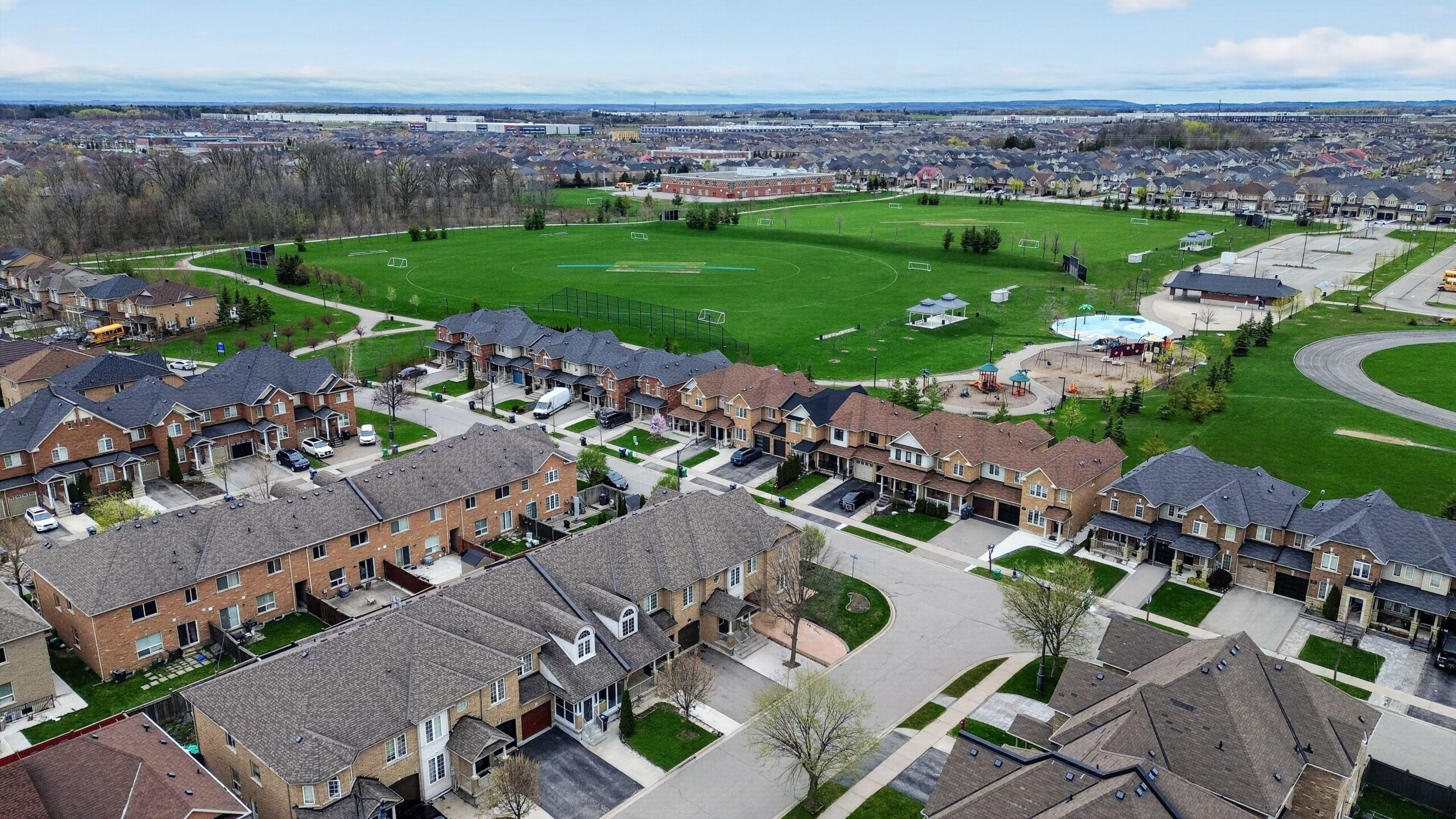
The Halton Hills real estate market has reached a turning point. Houses in Georgetown and Acton still look solid on paper, but owners are feeling the shift, especially as average prices push past $1 million and sales take longer to close. Before you make a move in Halton Hills or the GTA, it’s worth knowing what’s actually happening on the ground.
The Small Town Feel vs. Big City Prices
Halton Hills is no longer the well-kept secret it once was. The population is climbing, but what makes the area unique, quiet streets, bigger lots, and a close-knit vibe in Georgetown, Acton, and Glen Williams, comes with a hefty price tag. The average sale price now sits slightly above $1 million. Yet, homes are spending about six weeks on the market. That’s a clear sign of a market in transition.
Many owners remember when Halton Hills offered that desirable rural lifestyle at a bargain compared to places like Oakville or Brampton. But today, real estate in Halton Hills is priced like a premium GTA suburb. Even if your mortgage is reasonable, you may be feeling the pinch: property taxes, higher utility costs, and bigger maintenance bills all add up. These are not small-town numbers anymore.
There’s another twist. Downsizing within Halton Hills doesn’t guarantee relief. A detached owner who wants a smaller place, like a townhouse or bungalow, often faces high asking prices and a price gap that’s barely noticeable. This pushes some households to look beyond the GTA, where their equity can stretch further.
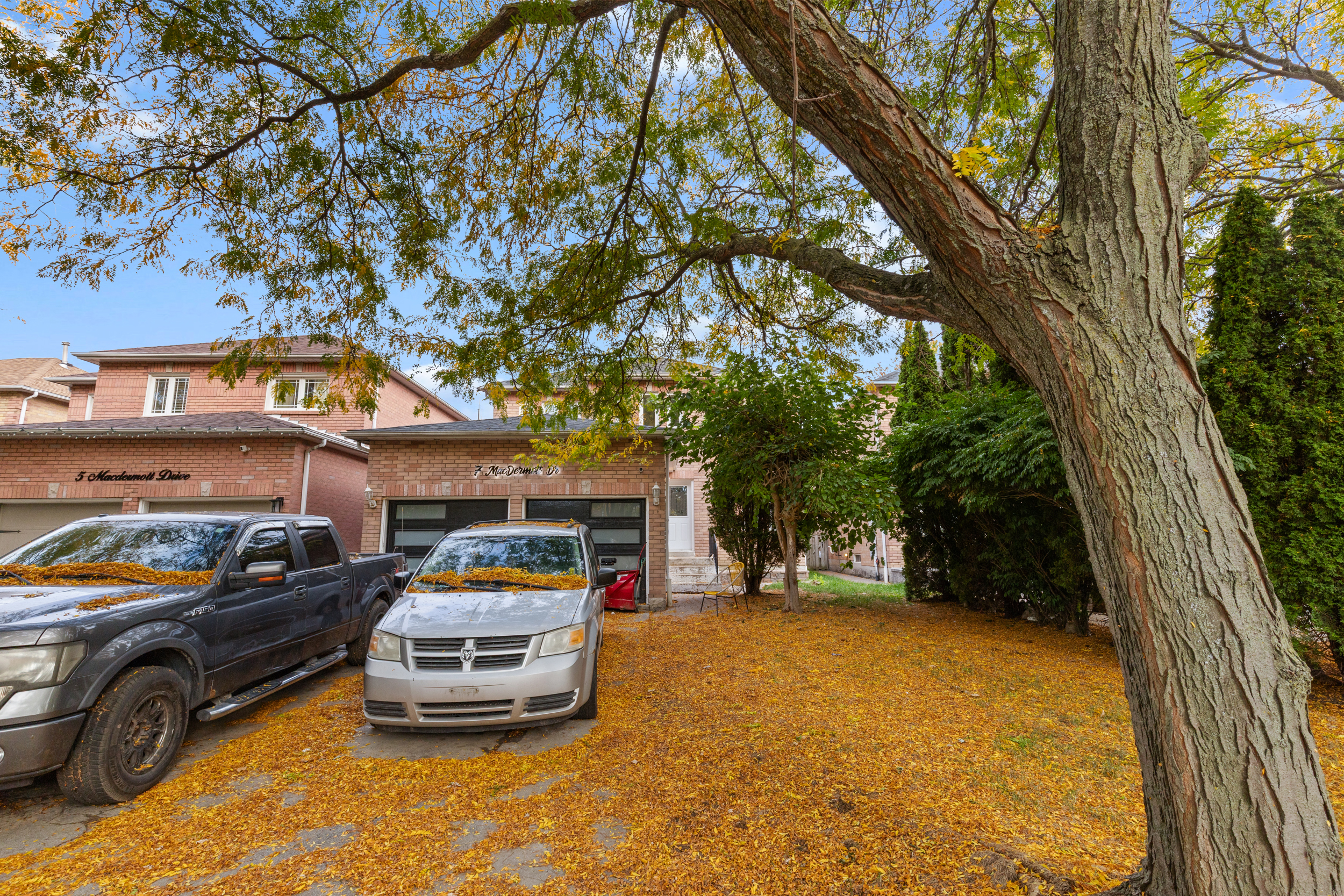
Pressure Points: Why Owners Are Quietly Leaving
Behind the slow “for sale” signs are three pressure points causing some people to rethink their place in Halton Hills:
- Rural Life, GTA Price: Owners who bought years ago for the value are finding it less affordable to maintain large homes, especially as maintenance and taxes rise. The feeling of being trapped is real when it costs this much to keep the lifestyle.
- Long Commutes: Most residents drive to work, often leaving town altogether for jobs in Brampton, Mississauga, Oakville, or Toronto. With traffic growing and few transit options, commuting is a real cost, in time, fuel, and even daycare or weekend plans. If you’re paying GTA prices but still driving for everything, downsizing or relocating starts to make sense.
- Aging in Place vs. Cashing Out: Many long-term owners love Halton Hills but find the stairs, large yards, and constant upkeep tougher with age. Downsizing locally is rarely cheap, so some look at other markets, like Guelph or Waterloo Region, where prices are dramatically lower. For example, average sale prices in those areas are in the high $600,000 to low $700,000 range. Detached homes there go for less than the average Halton Hills sale. That move can mean a whole new stage of life, and less financial pressure.
Is There Really an Exodus? Understanding the Halton Hills Real Estate Market
It’s not a headline-grabbing stampede, but the numbers tell a quiet story. New listings keep coming, sales take longer, and sale-to-list ratios are in the low 90% range. That means more buyers are negotiating, and prices can drift down even if the population keeps rising.
Thinking about selling your home?
Get a free, no-pressure valuation from a GTA realtor who tracks this market every day.
This isn’t a crash. It’s a slow unwind from the days when “anything sells instantly.” For a market now priced like the rest of the GTA, even a small dip in demand has a big impact. You can see it in the growing number of listings sitting unsold, more frequent price cuts, and sellers testing high prices before reality brings offers back down.
If you’re making real estate decisions in Halton Hills, keep your eye on these stress signals:
- How long are listings sitting?
- Are price adjustments happening often?
- Does the sale-to-list ratio stay soft?
These shifts usually happen under the radar before you see bigger price changes. I cover some of the same affordability pressures and family moves in other GTA areas in Oakville’s quiet exodus and the Brampton affordability story. The pattern is familiar, but the solutions can look very different, especially in places with tight-knit communities like Halton Hills.
Q&A: Halton Hills Real Estate Market Concerns
Q: Is Halton Hills still a safe place to invest in?
A: Halton Hills remains a desirable place to live, but buyers should factor in the possibility of longer sales and more negotiation. If you’re planning to sell soon, set realistic price expectations.
Q: What are my options if I want to downsize?
A: Downsizing within Halton Hills may not provide much financial relief. Looking farther afield, Guelph, Waterloo Region, Orangeville, can open up more affordable choices.
Q: Will prices drop further in Halton Hills?
A: No one can guarantee future prices. Watch days on market, price cuts, and sale-to-list ratios. If they continue to soften, small price drops are possible, but don’t expect a crash.
What’s Next for Buyers and Sellers in Halton Hills?
If you own a home in Halton Hills, you’re not alone in feeling stuck between high home values and rising carrying costs. The local real estate market is still active, but it’s less forgiving than it was a few years ago. The most important thing is to cut through the headline numbers and look at the key data points: days on market, price adjustments, buyer-seller negotiation levels.
Thinking about selling or relocating? You’ll want a true picture of what your home is worth and what your real options are. For a detailed, up-to-date perspective on Halton Hills real estate, or if you’re looking for guidance on buying or selling anywhere in the GTA, you can book a strategy call or reach out through the site.
If you’re planning your next move, understanding the market’s signals now could save you money and stress down the road. As a local real estate agent working in Halton Hills and across the GTA, I can help you make sense of what’s happening, whether you’re buying, selling, or just weighing your options. Explore the full guide on Halton Hills and GTA real estate to get started.
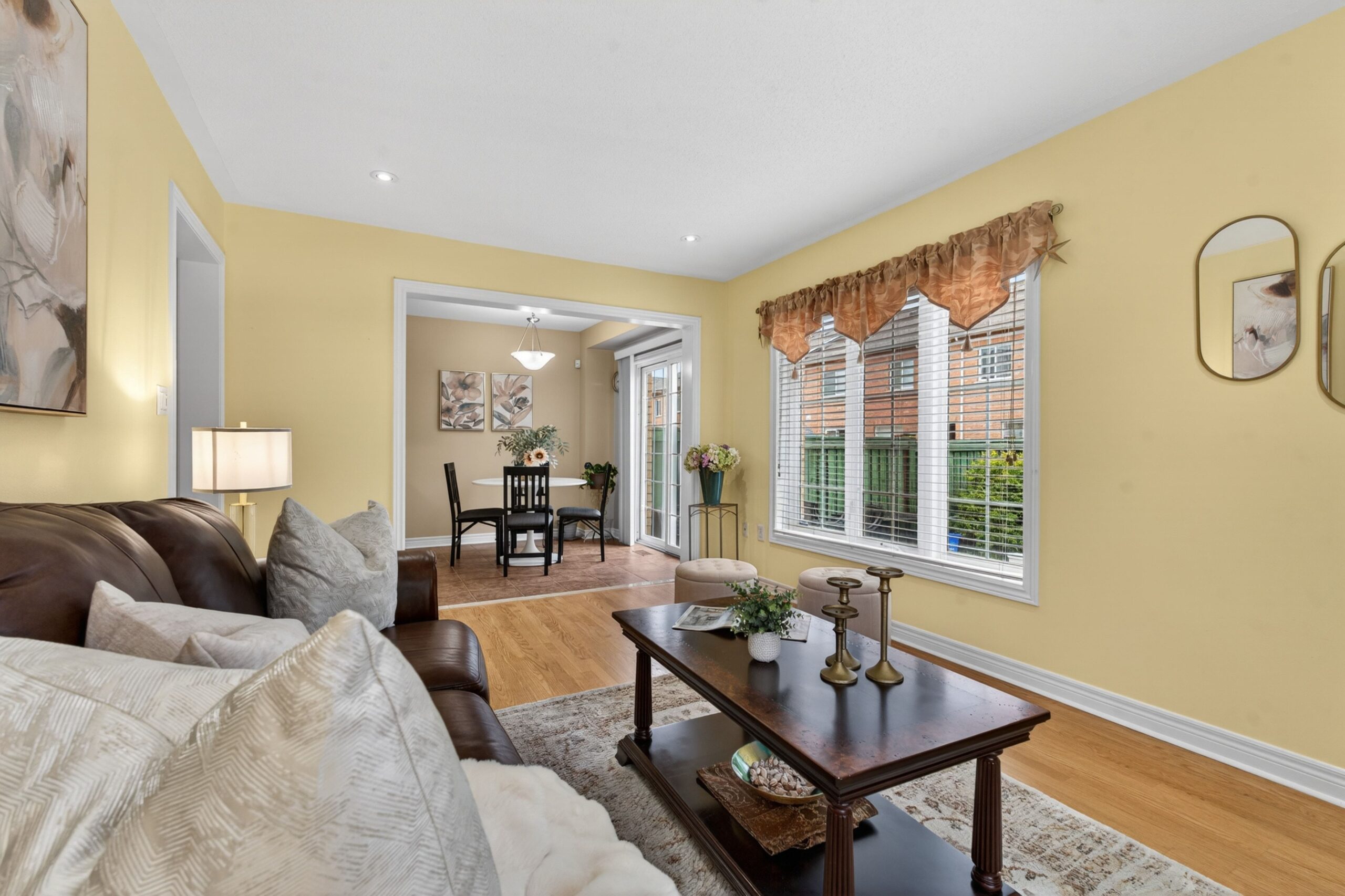
Want this on your specific block
If you want to know what this means for your home or your search, send me a note. You can book a fifteen minute call, or run a free home valuation and I will send the recent comps for your street. I cover the Halton Hills market every week, so I can tell you what the data is doing in your neighbourhood before you make a move.

Sales Representative | Robbio Nicolle Real Estate Team at Real Broker Ontario
Halton Hills realtor covering Georgetown, Milton, Mississauga, and the wider GTA. Data-first, no hype. Featured on YouTube at The Market with Mats Moy with 500K+ views.