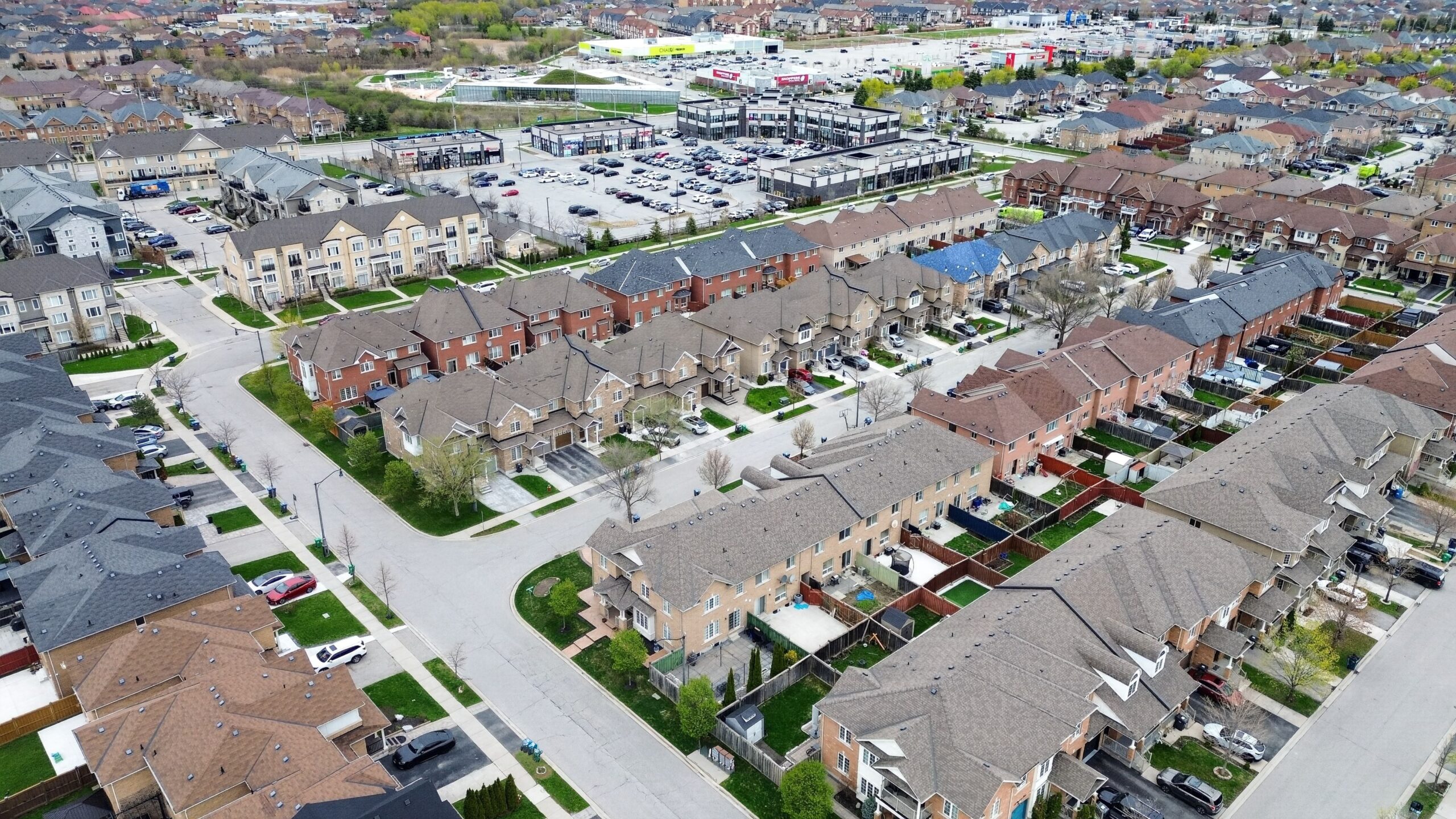
Hook Formula: Symptom-first. You scroll through Mississauga listings and spot the same detached houses relisted at $50,000 less than last month. Price reductions aren’t just in the condos anymore, family homes in Erin Mills, Cooksville, and even Churchill Meadows are breaking pattern and quietly coming down. If you’ve been watching the mississauga real estate market 2026, you’ll notice this isn’t the market people were expecting as 2026 began.
The Shift: Opportunity Hidden in the Slowdown
We’re now seeing over 2,800 active listings in Mississauga, the highest January total in three years. Sellers are facing longer days on market, detached homes averaging 42 days, up from just 23 last winter. Condo townhouses in Meadowvale and Streetsville, which used to sell within a week, now linger more than three weeks with little movement unless priced aggressively. The most obvious sign is pricing: the average selling price for a detached has dropped from $1.54M in December to $1.48M by mid-February, about a 4% slide in under eight weeks.
This shift is not just about numbers on a website. It means you can actually compare properties across neighbourhoods, negotiate on price, even ask for conditions, something that was nearly impossible during the heat of 2021 or 2022. Not every GTA city is seeing this at the same rate. But Mississauga’s inventory spike means buyers finally have some leverage. That opportunity comes with a twist, though, as I’ll explain below.
Some owners in popular pockets like Port Credit or Erin Mills are still holding out, but most sellers are finding the market less forgiving. Next, we’ll look at what most people still get wrong about reading these signals, and why many are surprised by how buyers are behaving right now.
What’s Broken: The Mainstream Story Doesn’t Add Up
For years, the advice was always to price a bit above the last sale and wait for the crowd. That made sense when interest rates were low and offer nights meant 10 bids in a day. But with fixed rates hovering near 5.2% and the Bank of Canada staying cautious, buyers are doing the math rather than acting on fear of missing out. Across February, buyers in Erin Mills and Creditview avoided aggressive bidding, even when the home looked underpriced on paper.
Some sellers try the ‘wait it out’ tactic, hoping spring will bring desperate buyers swarming back. Here’s the trap: the average price for all home types in Mississauga is now about $1,054,000, down almost 8% year-over-year. That’s nearly $92,000 less per house, on average, compared to February 2025. Delaying can cost sellers real money. The longer a property sits, the more buyers assume something is wrong, even if it’s just stale pricing, not the house itself. We saw exactly this with semi-detached listings in Cooksville and Clarkson: those who tried waiting before relisting all came back with lower prices weeks later.
Thinking about selling your home?
Get a free, no-pressure valuation from a GTA realtor who tracks this market every day.
This is the part most headlines miss. It’s not that buyers suddenly ran out of funds. It’s that confidence in future price growth has faded, and listings are stacking up because buyers want choice and are ready to walk if they don’t get value. We’ll get into what’s changing about how sellers respond to this next.
The Real Reason for Price Cuts
The usual advice, stick to your price, wait for the seasonal rush, never blink first, doesn’t work when inventory doubles and urgency drops. I see sellers chasing the market down, especially for condos and townhomes. A unit at Square One started at $679,000, sat for five weeks with two showings, then dropped to $639,000 and finally sold after a total of 48 days on MLS. This isn’t a one-off story either. Listings across Erin Mills, Streetsville, and Hurontario all showed similar patterns this winter. Detached homes that did sell often closed $20,000 to $60,000 under the original ask, with some rare exceptions in 905-area pockets where inventory is tighter.
Here’s why: The latest Bank of Canada moves, and ongoing caution around rate cuts, have changed buyer behaviour. Most buyers are factoring in not just higher monthly carrying costs but also the risk of further slide. This leads to more conditional offers, financing and inspection conditions on detached homes were nearly extinct in early 2022 but are now coming back. If you’re thinking this looks like the condo correction spreading, you’re not wrong. Just look at how Mississauga’s older towers have slipped, covered in detail in this breakdown of the older Mississauga condos in 2026.
The end result? Sellers who adjust quickly to the cooling climate get activity sooner. Those who refuse to cut price or add buyer-friendly terms are left waiting, and usually lose more in the end. Inaction isn’t neutral here. If your house lingers, you risk chasing the price ladder down by five figures or more. Up next, I’ll show why putting your property on the market before a real inventory surge can be the difference between capitalising and getting caught.
What You Get When the Market Shifts: The Benefits Side
For sellers in Mississauga, there’s some clarity for the first time in ages. Real-time data shows who is moving fast and who’s falling behind. If you list at a price that reflects local trends, say, $45,000 under last spring in Erin Mills, you’ll actually see action, so you can plan your next move instead of sitting in limbo. For buyers, more listings means breathing room, choice, and, yes, the power to negotiate on price or ask for two-week conditions so you can sort out your financing without stress.
This isn’t pure theory, it’s right there in the stats: Average days on market for detached homes now lets you sleep on a decision. Price-per-square-foot for condos in Square One dropped from $833 to $789 since last February, so you can now afford a unit that might have been out of reach one year ago. For both sides, the biggest benefit is predictability. You know the market is softer and can move accordingly, so you can set expectations and avoid falling into the trap of wishful thinking.
If you delay making a move, whether buying or selling in Mississauga, the cost isn’t just an inconvenience. Each week of inaction while the market softens further can shave another 1-2% off the expected price. That’s about $10,000, $20,000 every month on a $1M property. This is not a bluff; the numbers have run that way since rates started biting. Next, here’s a practical path to positioning your listing or purchase in this climate, without chasing old advice that no longer fits.
Step-by-Step: How Sellers and Buyers Are Moving in Mississauga in 2026
- Monitor real comparables. Look at sold prices from the last 60 days in your neighbourhood, not just list prices. Focus on closing numbers in relevant pockets, Meadowvale, Cooksville, Clarkson, to get an honest read.
- Drop the “spring rush” myth. The market isn’t set to rebound on schedule. Don’t wait expecting March or April to bail you out, so you can avoid the trap seen across Mississauga’s stalled condos (read up on Mississauga condo prices down 10% in 2026 here).
- Speed matters. Listings that go stale lose negotiating power fast. Move to reassess after 10-12 days without strong interest, so you can make a price adjustment before buyers write you off entirely.
- Prepare for buyer conditions. Expect inspection and financing clauses on offers. How you handle these (and adjust your price expectations) will determine your result.
- Use multiple sources. Track sites like HouseSigma plus real-time updates from a local Mississauga real estate guide for how long similar homes are actually sitting and what closes, so you can spot momentum shifts early.
Compare the market to seasons, right now, it’s not winter but early spring thaw. You see what’s under the snow, but it’s muddy and buyers can pick their path. That means both caution and opportunity. Stay flexible on price and move with the stats, not last year’s hope, so you can control your outcome.
What’s Next for the Mississauga Real Estate Market?
This market feels different because it is different. Supply has outpaced demand, buyers are less urgent, and sellers must get realistic or risk bigger losses. If you need a custom breakdown of what your home might sell for now, or want to talk about the pressure points in your neighbourhood, start here with my free home evaluation, or send me a message today. Covering the GTA, I can show you which trends matter on your street, and when the numbers start to move again, you’ll see it here first.
Want this on your specific block
If you want to know what this means for your home or your search, send me a note. You can book a fifteen minute call, or run a free home valuation and I will send the recent comps for your street. I cover the Mississauga market every week, so I can tell you what the data is doing in your neighbourhood before you make a move.

Sales Representative | Robbio Nicolle Real Estate Team at Real Broker Ontario
Halton Hills realtor covering Georgetown, Milton, Mississauga, and the wider GTA. Data-first, no hype. Featured on YouTube at The Market with Mats Moy with 500K+ views.