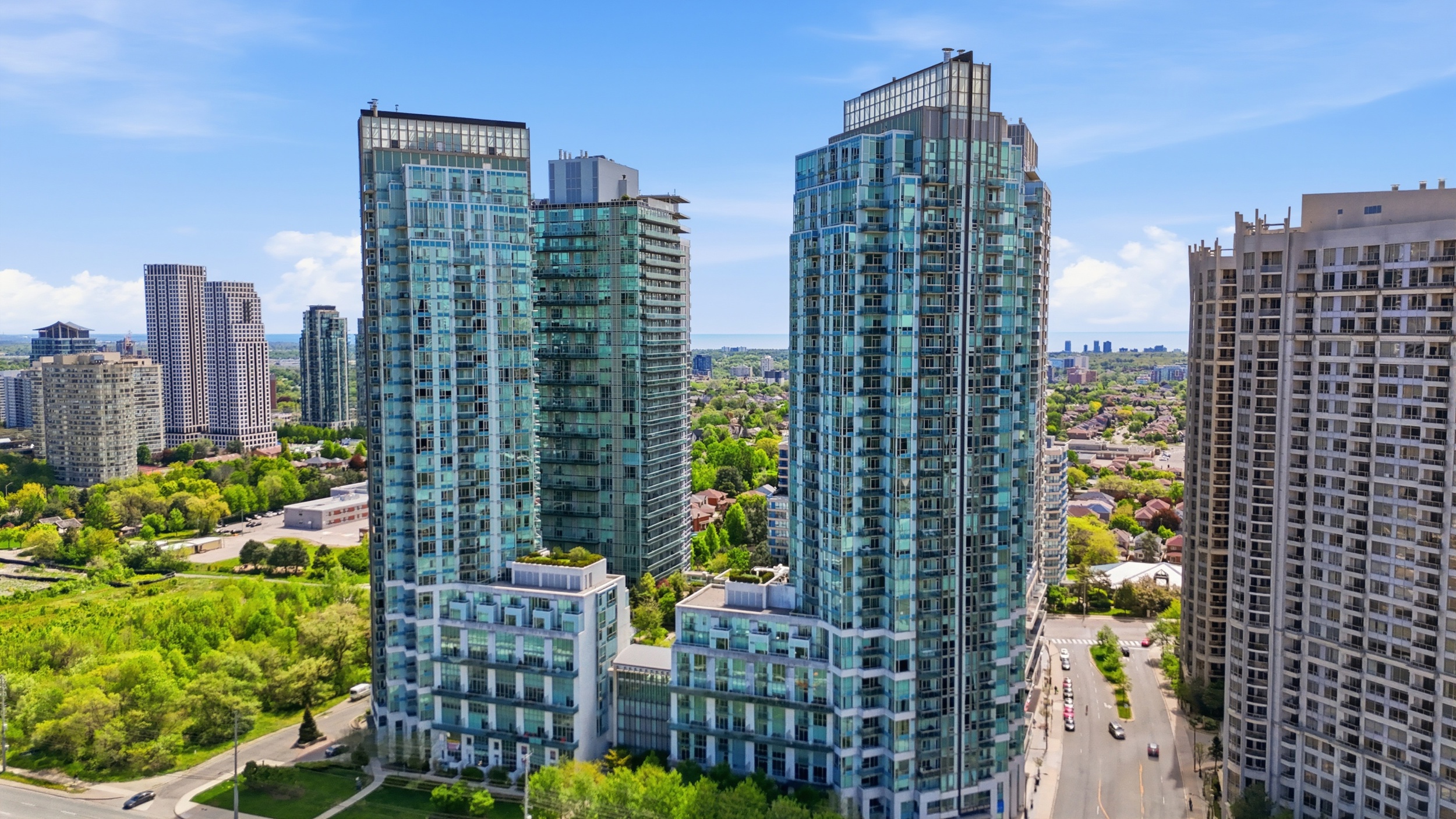
The Toronto condo assignment market in 2025 is facing a serious correction. Pre-construction buyers who thought they were safe are now often stuck, unable to close or sell at break even. If you own, or are considering buying, a condo in Toronto or the GTA, here’s what has changed and what you need to know.
What Is Happening to Toronto Condo Assignments in 2025?
Just a few years ago, pre-construction condo buyers in Toronto signed deals on the assumption that prices would climb by closing. Many intended to either close on the finished unit, or sell their contract (through an assignment sale) for a profit before building completion. The reality in 2025 is much different.
As new buildings finish, the keys are finally ready. But the price on those original contracts is now higher than what the market is willing to pay. Data from Urbanation shows new condo sales across the Greater Toronto Hamilton Area (GTHA) collapsed in the last year. Only 502 new condos sold in Q2 of 2025, down 91% from the 10-year average. Q3 was even lower, making it the slowest quarter in over three decades.
This isn’t just one Toronto neighbourhood seeing a dip. It’s an area-wide signal that demand for new condos has dried up, and assignment buyers are backing away. Where there is no new demand, inventory rises, fast.
The Pre-Construction Trap: Assignment Sales and Appraisal Gaps
Developers had more than 24,000 unsold new condo units across all stages in Q2 2025. The most telling number: a record high 2,478 completed new condo units available that still needed buyers. Sales of that finished inventory practically stalled. With only 131 units of completed stock sold in Q2, Toronto now has about 60 months of standing condo supply at current absorption.
This supply glut means leverage has shifted away from sellers and developers. It also exposes the so-called “pre-construction trap”, the gap between what buyers agreed to pay years ago and what the market is now willing to pay. According to Urbanation, condos that reached occupancy in Q2 2025 were presold at an average of $1,187 per square foot. But actual resale transactions in those same new buildings averaged $903 per square foot. That’s a $284 per square foot shortfall. For an 800 square foot unit, that’s over $225,000 underwater before closing costs.
Thinking about selling your home?
Get a free, no-pressure valuation from a GTA realtor who tracks this market every day.
Assignment sellers, who try to sell their purchase contracts before closing, are seeing most attempts slip into damage control, not profit. In markets where today’s value is below yesterday’s contract, the exit door shrinks. Fewer buyers are willing to pay, or lenders won’t back the numbers.
Developers and agents are offering incentives to buyers, cashback credits, rental guarantees, extended deposits, anything to move inventory. When incentives are everywhere, it’s a sign that prices from years ago simply don’t clear in today’s market.
Trouble Closing: Appraisal Shortfalls and Legal Risks
The real squeeze for many Toronto pre-construction buyers happens at closing. To get a mortgage, the building must appraise at or above the original contract price. But in 2025, most appraisals are coming in 10, 30% below what buyers agreed to pay. The lender will not finance that gap. Buyers must cover the difference in cash, which often means tens or hundreds of thousands extra. Most buyers don’t have that money set aside.
Defaulting isn’t as simple as just losing your deposit. If a buyer can’t close, the developer can attempt to resell the unit. If they sell for less than the original contract, they may sue the original buyer for the loss, plus legal costs and carrying charges. There are already high-profile examples of Toronto investors being sued for hundreds of thousands after failing to close on pre-construction units. Walking away is not a clean exit; it can become a drawn-out legal and financial mess.
How the Assignment Market Impacts the Toronto Real Estate Pipeline
As the assignment market sours, the pain ripples through the entire Toronto condo sector. Projects depend on pre-construction buyers for financing. When demand for pre-con shrinks, developers cancel projects or put them on hold. Q3 2025 alone saw 10 projects (2,499 units) cancelled, with many more on the bubble due to lack of sales or lender confidence. CMHC has described the whole landscape as “declining sales, rising inventories, and growing investor financial distress.”
This is not just an investor problem. It hits regular buyers who bought pre-construction thinking it was the only way to get into Toronto real estate. It pushes some sellers into discounting on the resale market, as “nearly new” units flood the listings. Inventory sits longer, price cuts are more common, and buyers can afford to be picky. If you are considering buying or selling a condo in Toronto (or in similar markets like Mississauga or North York), it’s important to know the real risks and to plan for more than just the easy ride everyone expected in past years.
Toronto Condo Assignment Market 2025: What Should You Watch Next?
- Standing Inventory: High levels of unsold completed condos are a sign that the market has not stabilized. Watch to see if that number actually starts falling.
- Project Cancellations: An increase in cancelled or “on hold” developments signals ongoing lack of confidence. It can also reduce future supply, shifting the market again.
- Appraisal Gap and Legal Stories: As more buyers struggle to close, expect more stories of shortfalls, court cases, and forced sales. The risks go beyond just price, there can be serious legal and financial consequences.
Q & A: Assignment and Pre-Construction Risks in Toronto
Can I still sell my pre-construction contract in 2025?
Assignment sales are possible, but demand is thin and most are selling at a loss. The price gap makes profit rare. You will need to be realistic about what’s possible and factor in assignment fees, taxes, and legal costs.
What happens if I walk away from my pre-con deal?
Beyond losing your deposit, the developer can sue you for the price difference, legal costs, and any carrying costs they incur. It can become very expensive and take years to resolve.
Is now a good time to buy a condo in Toronto?
If you are end-user, not depending on short-term resale profits, there are deals to be had, and buyers have more choice than in years past. But it remains a market that rewards careful planning. Review current prices, incentives, and recent sales before committing.
What’s Next for Toronto Condo Buyers and Sellers?
This market is forcing out assumptions that used to be safe, especially around pre-construction. If you’re facing a closing or thinking about buying a Toronto condo in 2025, approach every scenario with up-to-date numbers, not past hope.
If you want a breakdown of why resale prices have dropped so much, read Toronto Condo Replacement Cost 2025: Why Resale Prices Are So Low. For more on Toronto market trends, see Toronto Housing Market Correction 2026: What Phase Two Really Means.
If you need advice on how to navigate the assignment market, appraisals, or closing, Toronto real estate guide has resources for both buyers and sellers. You can also book a call to discuss your specific situation. I work with clients in Toronto and across the GTA on these issues every day, helping you make informed, realistic choices for your next move.
Want this on your specific block
If you want to know what this means for your home or your search, send me a note. You can book a fifteen minute call, or run a free home valuation and I will send the recent comps for your street. I cover the Toronto market every week, so I can tell you what the data is doing in your neighbourhood before you make a move.

Sales Representative | Robbio Nicolle Real Estate Team at Real Broker Ontario
Halton Hills realtor covering Georgetown, Milton, Mississauga, and the wider GTA. Data-first, no hype. Featured on YouTube at The Market with Mats Moy with 500K+ views.