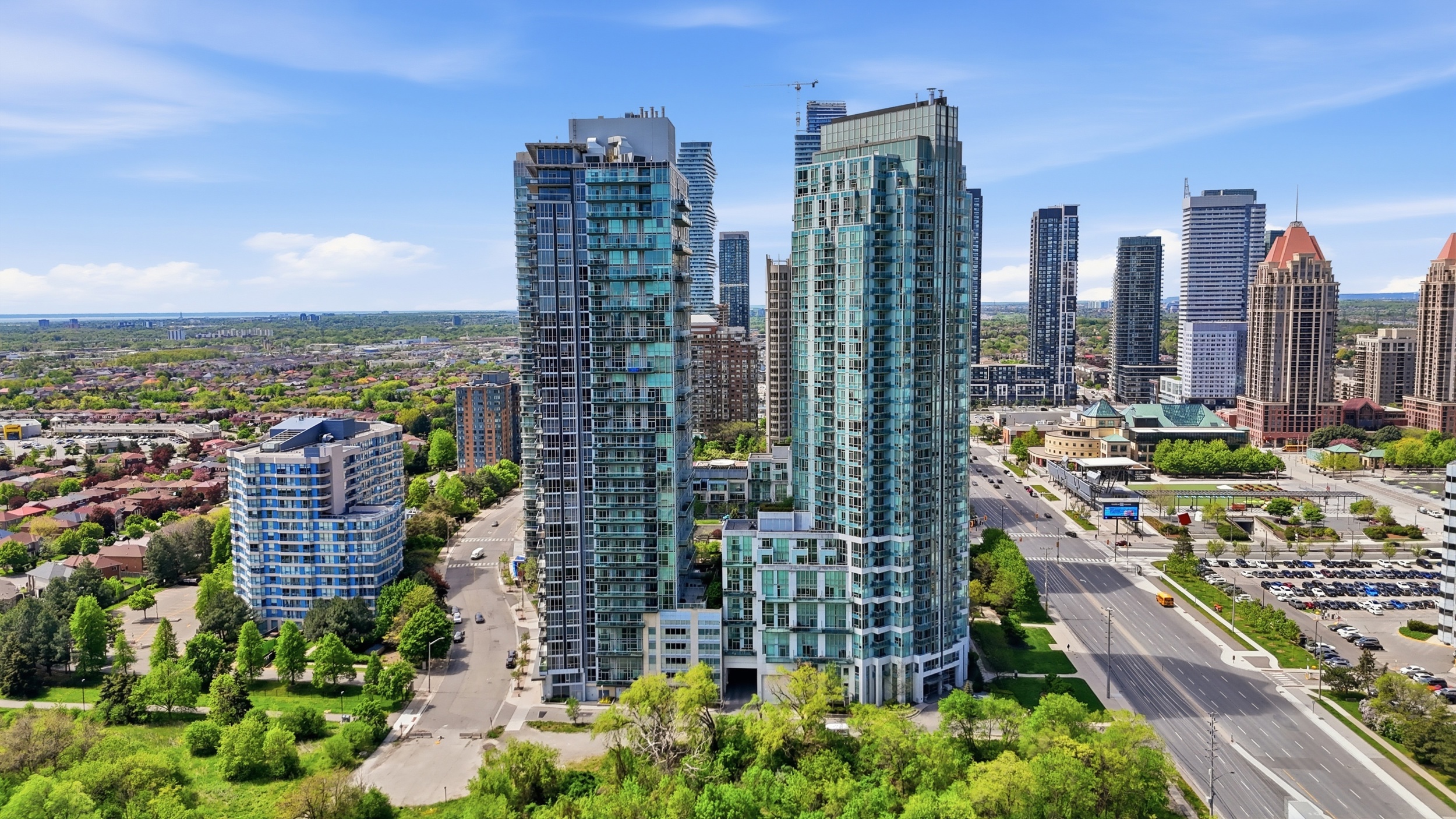
Is your Toronto home stuck on the market with few showings and low offers? You might be asking yourself, ‘Why isn’t my Toronto home selling?’ In today’s market, many sellers face this same reality. Here’s what’s actually happening and how to fix it.
Understanding the Toronto Real Estate Environment
First, let’s get clear on what you’re up against. As of late 2025, Toronto home sales are down about 9.5% year over year. New listings are up, and average prices have dropped over 7% compared to last year. That leaves buyers with more options and sellers with more competition. Condo units in particular have slipped, with average sale prices in Toronto now around the mid-$600,000s, a drop of about 5% from last year and up to 20% from the 2022 peak. Buyers today are cautious, budget-focused, and willing to pass on homes that aren’t priced right or move-in ready.
Why Your Toronto Home Isn’t Selling: The Four Main Fixes
1. Pricing Delusion
Many sellers set their list price based on what their neighbour got in the peak market, not on today’s reality. In 2021 or early 2022, buyers would show up even if your price was a stretch. Now? If your home is clearly overpriced, buyers won’t bother with showings or offers. They’ll move on and never look back.
If your home has few showings after seven to ten days and no offers, the market is telling you the price is wrong. Buyers see an aging listing, more days on market, and assume something is off or you’re not serious. This usually leads to chasing the market down with multiple price reductions. Here’s the fix: review the last 30, 60 days of sales in your pocket of Toronto, check current competing homes, and price so you’re among the top two or three options buyers shortlist. A small pricing reality check now is better than painful corrections later.
Thinking about selling your home?
Get a free, no-pressure valuation from a GTA realtor who tracks this market every day.
2. The “As Is” Fallacy
Listing your home “as is” tells buyers you’re discounting, and they’ll expect it. Most buyers in Toronto right now are stretched financially and don’t want to take on extra repairs or projects. When a buyer spots scuffed walls, worn carpet, loose handles, or burnt-out light bulbs, they don’t see a $2,000 fix; they round up in their mind and see a $10,000 or $20,000 hassle.
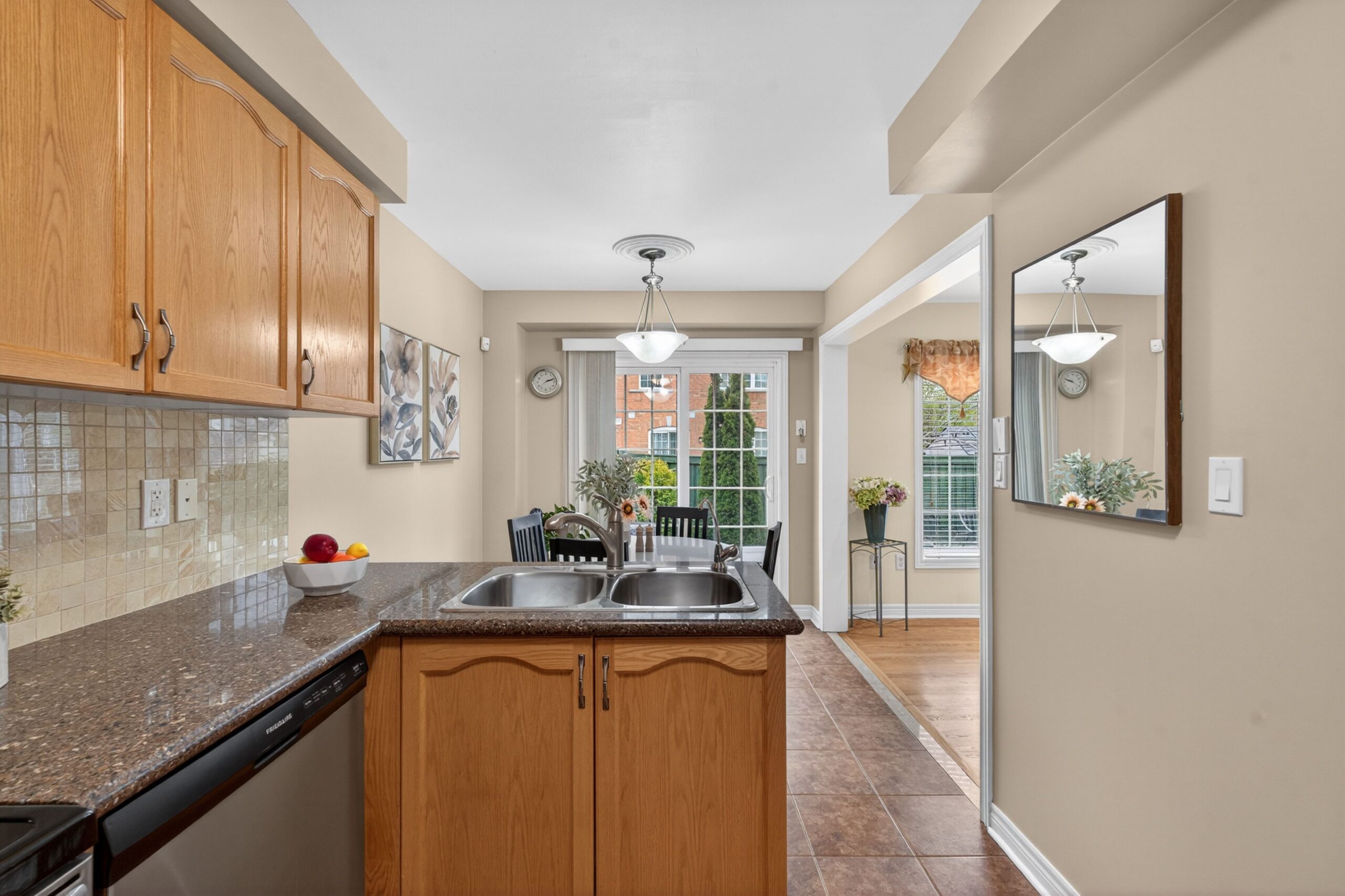
To counter this, remove reasons buyers might walk away. Start by decluttering and depersonalizing, pack away at least half your visible items. Deep clean every surface. Fix obvious issues: touch up paint, replace light bulbs, tighten hardware. Focus on key rooms: kitchen, bathrooms, main living areas, and the primary bedroom. These spaces should feel fresh, neutral, and bright. Professional staging isn’t about making things pretty; it helps buyers picture living there. In older Toronto homes, fresh paint and modern lighting can make a big difference. Skipping this prep usually costs you more in price reductions than the small outlay upfront.
3. Weak Marketing in the Toronto Real Estate Market
Many sellers still believe “put it on MLS and the job’s done.” Not anymore. The first showing happens on a buyer’s phone. If the online presentation is weak, the buyer never walks through your door. Poor photos, clutter in every shot, and bland descriptions don’t cut it. Remember, you’re not just competing with resale homes, you’re up against polished listings from new developments and pre-construction projects across South Etobicoke, North York, and downtown Toronto.
Your listing needs professional photography, never phone snaps. Video walkthroughs or 3D tours help buyers understand the layout before they come. Highlight the lifestyle in your description: proximity to transit, parks, schools, and daily amenities. Most important, the first three listing photos matter most. That’s your only window to spark buyer interest. If your place isn’t drawing clicks, it’s time to rework your marketing.
If you want more analysis on current market trends, try this guide: Toronto Housing Market Correction 2026: What Phase Two Really Means.
4. Rigidity Trap: Showings and Negotiation
Some sellers make it nearly impossible for buyers to see the home, offering limited showing slots or strict rules about when appointments can happen. A buyer who wants to come Tuesday at 3:00 p.m. will skip you if your listing only allows weekend visits. More flexibility in the first two weeks gives you better odds of a successful sale, even in high-demand Toronto neighbourhoods like North York or Etobicoke.
Rigid negotiation harms your outcome, too. If you dig in on price or refuse to budge on reasonable conditions, you’re likely to lose buyers in the current market. They know they have other choices. Decide your real bottom line before listing, and consider the full offer package, price, closing date, conditions, and certainty. A small concession today usually beats chasing the market for the next three months.
Planning Ahead: How to Sell Your Toronto Home in this Market
If you plan to sell in the next 6, 12 months, here’s how to approach it:
- Get clear on your numbers. Check sales from the last 30, 60 days and look at your outstanding mortgage and what you’ll need for your next place.
- Start prepping early. Even if you’re months out, declutter, finish minor repairs, and update paint or fixtures over time.
- Time your listing based on market competition and property readiness, not just headlines about price rebounds. Often, being the best-prepared home during a quieter week beats waiting for a “hot” news cycle.
- Work with an agent who’s honest about stats and helps you price, prepare, and market for today’s conditions.
It’s not impossible to sell in Toronto right now, but most stale listings are making one or more of these mistakes. The good news is, you can correct all of them before you lose out on real value. For more context around current pricing, check out Toronto Condo Market Correction: What Buyers Should Know Now.
Thinking of selling your Toronto home or want to make sure your next move sets you up for what’s actually happening in the GTA market? Start with a free home valuation or connect directly to discuss your best approach. I work with sellers and buyers across Toronto and the entire GTA. A clear, realistic plan is the best tool you have in this market.
Want this on your specific block
If you want to know what this means for your home or your search, send me a note. You can book a fifteen minute call, or run a free home valuation and I will send the recent comps for your street. I cover the Toronto market every week, so I can tell you what the data is doing in your neighbourhood before you make a move.

Sales Representative | Robbio Nicolle Real Estate Team at Real Broker Ontario
Halton Hills realtor covering Georgetown, Milton, Mississauga, and the wider GTA. Data-first, no hype. Featured on YouTube at The Market with Mats Moy with 500K+ views.