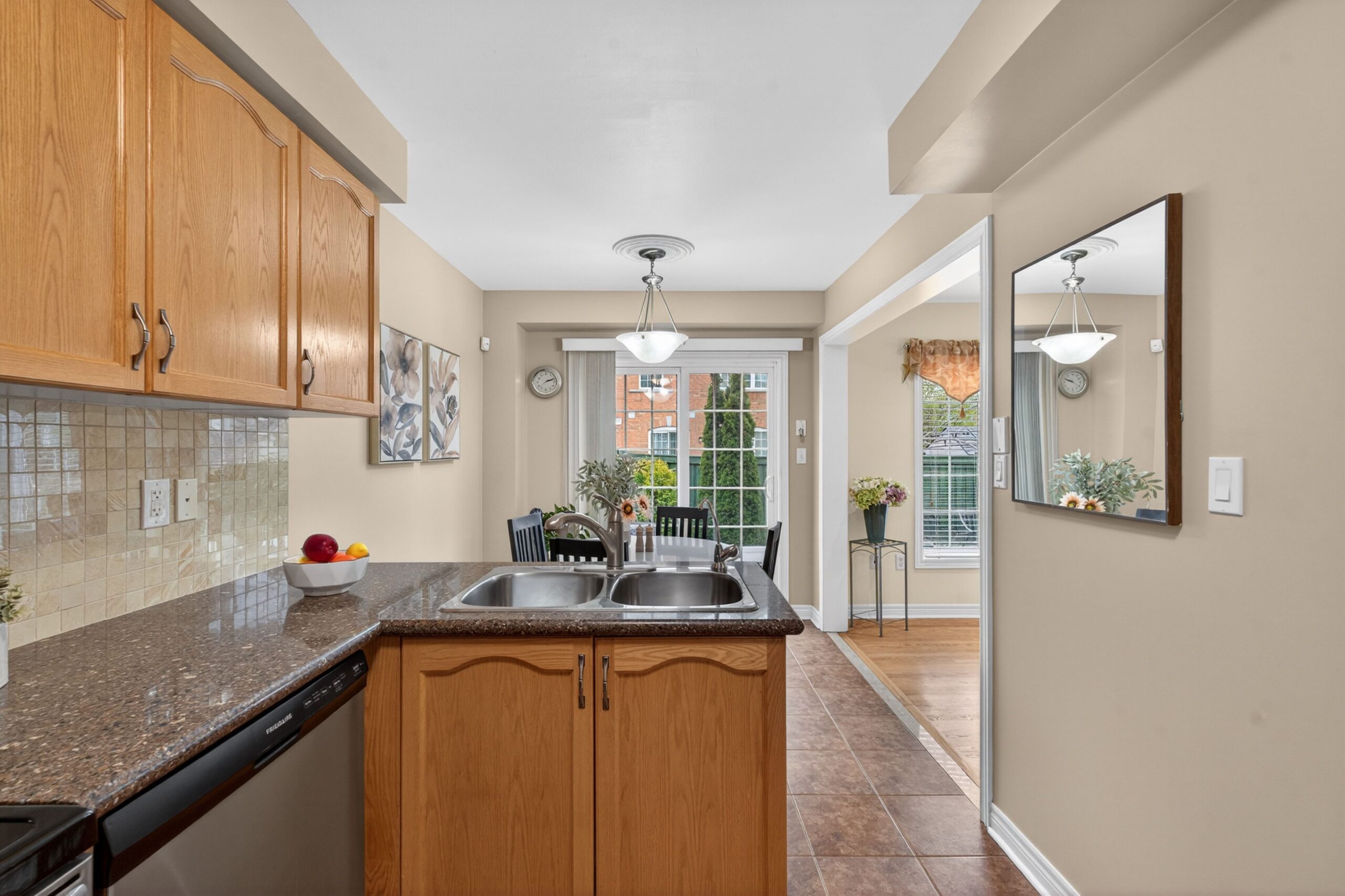
That Toronto semi detached might look perfect in the listing photos, fresh brickwork, spotless kitchens, open concept rooms, maybe a finished basement that feels like bonus space. But the reality is, the biggest risk with these homes isn’t always the age or the price. It’s the renovation work you can’t see. In this guide, I’ll break down the most common Toronto semi detached renovation risks and what you need to know before you buy.
The Real Problem: Renovations Hiding Deeper Issues
Toronto semi detached houses are in high demand. They’re often sold as upgraded, move-in-ready properties. But in a market where finishes matter more than the paperwork, shortcuts get made. Many buyers think a renovated semi means peace of mind, but too often the real money pit starts wherever major renovations were rushed or not properly permitted.
The pattern is common: The work looks expensive on the surface, but there’s little paperwork to back it up. What you can’t see, behind the drywall or under the new flooring, may cost more than you expect when problems show up.
Where Toronto Semi Detached Renovation Risks Hide
- Main Floor Structural Changes: Open concept spaces are popular in Toronto, but removing load-bearing walls without permits is a top risk. Signs include uneven floors, doors that rub, windows that stick, and bulkheads or posts that feel out of place. The only way to know work was done right is with a full permit and inspection record.
- Finished Basements: These often sell as extra living space or “income units.” But there are two main issues: legal compliance and water. True legal basement units require fire separation, safe exits, proper ceiling heights, and usable windows. If a listing uses vague language, like “in-law suite” or “great basement space”, it usually means it isn’t a legal second unit. Finished basements can also hide leaks or old water issues. Pay attention to musty smells, dehumidifiers running full time, or fresh paint along the bottom of walls.
- Cosmetic Upgrades Covering Old Systems: It’s easy to get distracted by quartz countertops and stylish fixtures. The real threat is what you don’t see: old electrical (like knob and tube wiring), aging plumbing, or patched panels. Insurance companies are getting tougher on homes with outdated wiring. Replacing old systems often means opening up the walls again, which drives up the cost fast.
- Shifted or Weak Structure: Older semis can start to move over time. This goes beyond minor cracks. Look for sloping floors, staircases that feel off, doors that won’t stay open, or bricks outside that show stairstep cracks or outward movement. A chimney pulling away from the house is another major red flag.
- Detached That’s Actually Linked: Some houses in Toronto built in the 1970s or 80s look detached from the street, but are connected below ground. Detached homes command higher prices, so buying a “linked” house by mistake can affect resale value. The real connection often only shows up on a title search or the plan of subdivision.
How to Spot Risky Renovations Before You Commit
Don’t assume that modern finishes or big updates mean the house is worry-free. Here’s what you can do to protect yourself:
- Demand the Paper Trail: Ask for permits, plans, and passed inspections for any major renovation, especially wall removals or basement apartments. In Toronto, you can use the city’s building permit search to verify what’s on file for an address.
- Inspect with Purpose: Bring a qualified home inspector who understands older Toronto properties. They’ll check for signs of hidden work, like missing bulkheads or unexplained slope, and spot variations in electrical systems or water management problems that aren’t obvious to buyers.
- Watch the Listing Language: “In-law suite,” “potential income,” or vague mentions of upgrades signal that something might not be fully above board. If the listing is light on specifics about permits or legality, be cautious.
- Insurance Requirements Are Changing: If an insurer demands electrical upgrades or refuses coverage for older wiring, it can reduce your pool of buyers and create expensive surprises.
For more on this topic, check out Why My Toronto Home Isn’t Selling: Four Fixes That Matter, which covers renovation and listing pitfalls. You might also find Toronto Housing Market Correction 2026: What Phase Two Really Means useful if you want a bigger picture view.
Thinking about selling your home?
Get a free, no-pressure valuation from a GTA realtor who tracks this market every day.
Common Questions About Toronto Semi Detached Renovation Risks
Are all renovated Toronto semis risky?
No. Many are solid and were properly updated with good materials and complete permits. The risk creeps in when shortcuts were taken or documentation is missing. If the finishes look amazing but there’s no paper trail, proceed with caution.
What happens if I buy a home with unpermitted work?
You may have to bring it up to code, which could mean opening up finished spaces, adding fire safety upgrades, or correcting structural changes. The City of Toronto can require expensive corrections after the fact, and it’s your responsibility as the new owner.
Is an open concept main floor safe?
Only if the structural changes were permitted and inspected. Removing load-bearing walls without engineering can cause long-term structural movement. Uneven floors or cracks returning after repairs can be signs of trouble.
Next Steps: Protect Yourself in the Toronto Market
If you’re shopping for a semi detached home in Toronto, don’t get distracted by the finishes. Focus on the renovation history and the paperwork. When the market cools, buyers get more cautious, and listings with hidden renovation problems tend to sit or get renegotiated.
Want help navigating Toronto real estate, or have questions about a specific home’s renovation story? Consider reaching out to a Toronto real estate guide who can spot potential issues before they become your problem. You can also book a strategy call to discuss your options or send me a message. I work with buyers and sellers across Toronto and the GTA, and I can help you approach your next move with confidence.

Sales Representative | Robbio Nicolle Real Estate Team at Real Broker Ontario
Halton Hills realtor covering Georgetown, Milton, Mississauga, and the wider GTA. Data-first, no hype. Featured on YouTube at The Market with Mats Moy with 500K+ views.